3. Trouble Speaking
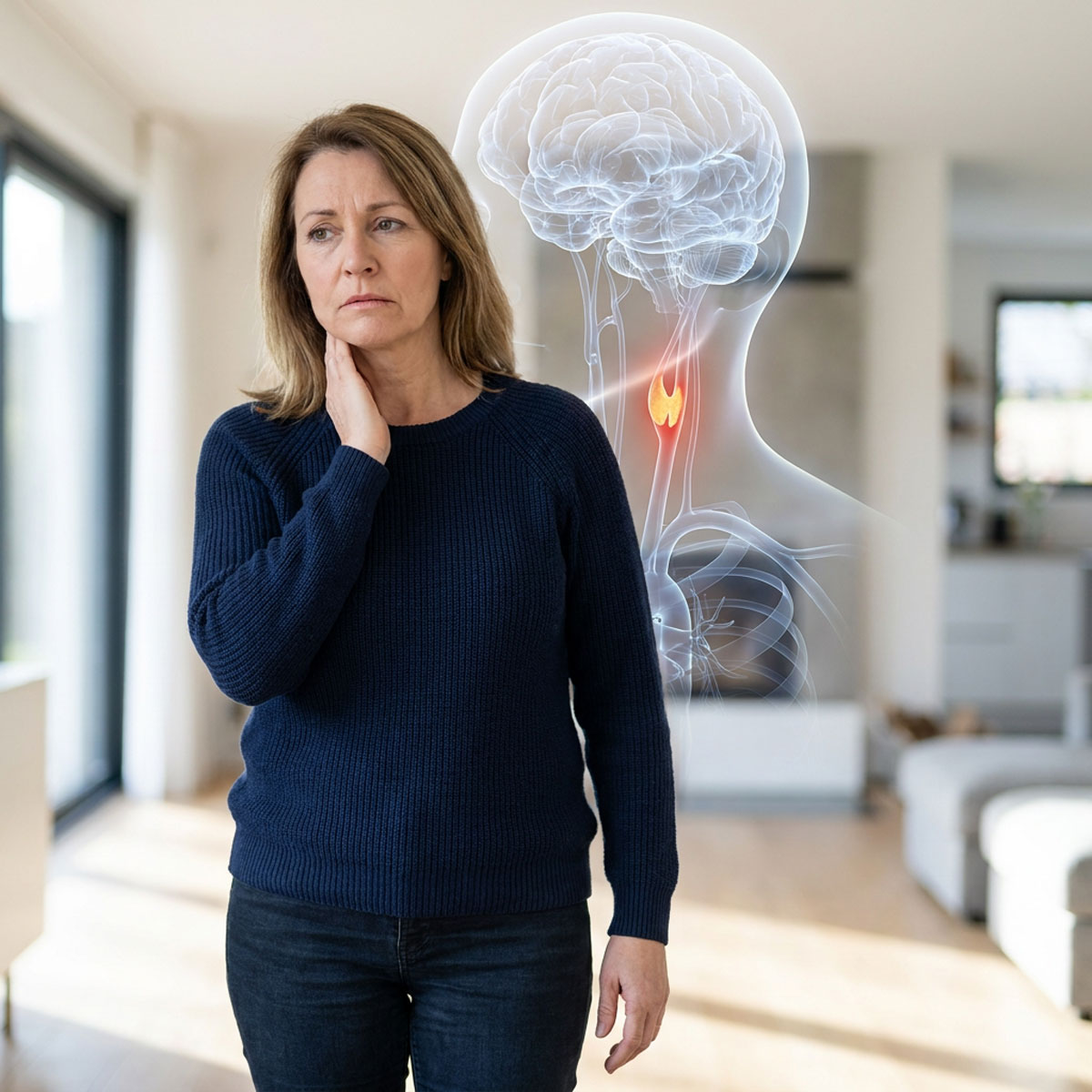
Sudden difficulty speaking is a common stroke symptom that signals disruption in the brain areas responsible for language production and coordination. The person may struggle to articulate words clearly, resulting in slurred or garbled speech. Sometimes they know what they want to say but cannot get the words out properly.
Another variation is using incorrect words or forming sentences that don’t make sense, which can confuse listeners. In some cases, speech remains clear, but the person has trouble understanding what others are saying, indicating a different but related cognitive impairment.
Any sudden change in speech should be treated as a medical emergency. Early treatment can reduce the risk of long-term communication impairments.
- Slurred or slow speech
- Difficulty forming words or sentences
- Using wrong words or nonsensical phrases
4. Sudden Vision Changes
Sudden changes in vision can occur during a stroke due to affected blood flow to the parts of the brain that process visual information. Symptoms may include blurry vision, partial or complete loss of vision in one eye, or a loss of part of the visual field.
Double vision is also a possible sign. Because many eye conditions can cause similar symptoms, immediate medical evaluation is essential to determine if a stroke is the cause.
- Blurred or dim vision
- Loss of vision in one eye
- Partial loss of visual field
- Double vision
5. Difficulty Walking or Loss of Balance
A stroke affecting the brain regions responsible for coordination and balance can cause sudden difficulty walking. The person may stagger, appear clumsy, or feel unsteady on their feet. Movements that were previously effortless become challenging or impossible.
This symptom often appears without warning and may be accompanied by dizziness or weakness. It signals damage to areas such as the cerebellum or brainstem and requires urgent medical evaluation.
- Sudden unsteadiness or clumsiness
- Difficulty maintaining balance
- Inability to walk or sudden falls






