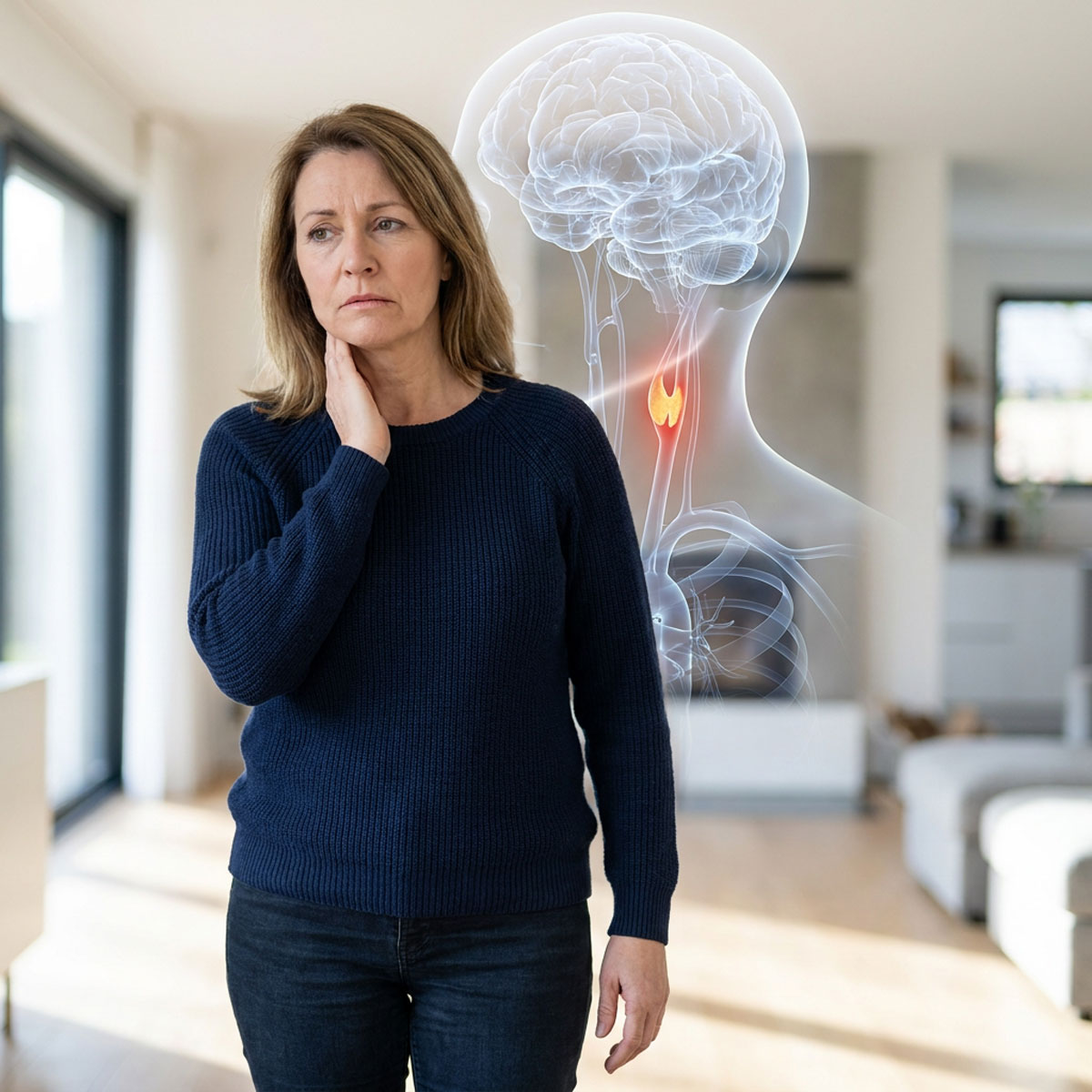
9. Difficulty Understanding Others
Stroke can impact the brain’s language comprehension centers, leading to difficulty understanding spoken language. Even when hearing remains intact, the person may struggle to follow conversations or process what others are saying.
This symptom can be subtle but is as important as speech difficulties. Those affected may repeatedly ask for clarification or seem confused during conversations.
- Struggling to comprehend spoken words
- Asking others to repeat themselves frequently
- Confusion during simple conversations
10. Symptoms That Come and Go
Sometimes stroke symptoms appear briefly and then resolve completely. These transient episodes may be caused by a transient ischemic attack (TIA), often called a “mini-stroke.” Although symptoms disappear, a TIA is a serious warning sign that a full stroke may occur soon.
Because TIAs carry a high risk of subsequent stroke, any sudden neurological symptoms—even if temporary—warrant immediate emergency evaluation. Prompt diagnosis and treatment can reduce the risk of a major stroke.
- Sudden symptoms that resolve within minutes to hours
- Brief weakness, numbness, speech problems, or vision changes
- Warning sign for potential future stroke
When to See a Doctor
If you or someone else experiences any sudden neurological symptoms, call emergency services immediately. Time-sensitive treatments such as intravenous thrombolysis or mechanical thrombectomy can restore blood flow in certain types of stroke and improve outcomes significantly.
Do not wait to see if symptoms improve or attempt to drive yourself to the hospital. Emergency medical teams can begin assessment and treatment en route, potentially saving crucial minutes.
Even if symptoms resolve quickly, prompt medical evaluation is essential, as these may indicate a transient ischemic attack requiring urgent care.
Conclusion
Recognizing the early warning signs of a stroke can save lives and preserve brain function. Sudden weakness, facial droop, speech difficulties, vision changes, dizziness, headache, confusion, and transient symptoms all warrant immediate medical attention.
Acting quickly by calling emergency services is the most important step. Quick treatment improves recovery chances and reduces the risk of permanent disability or death.
Remember: When it comes to stroke, time is brain.
This article provides general information and is not a substitute for professional medical advice. If you suspect a stroke, seek emergency care immediately.






