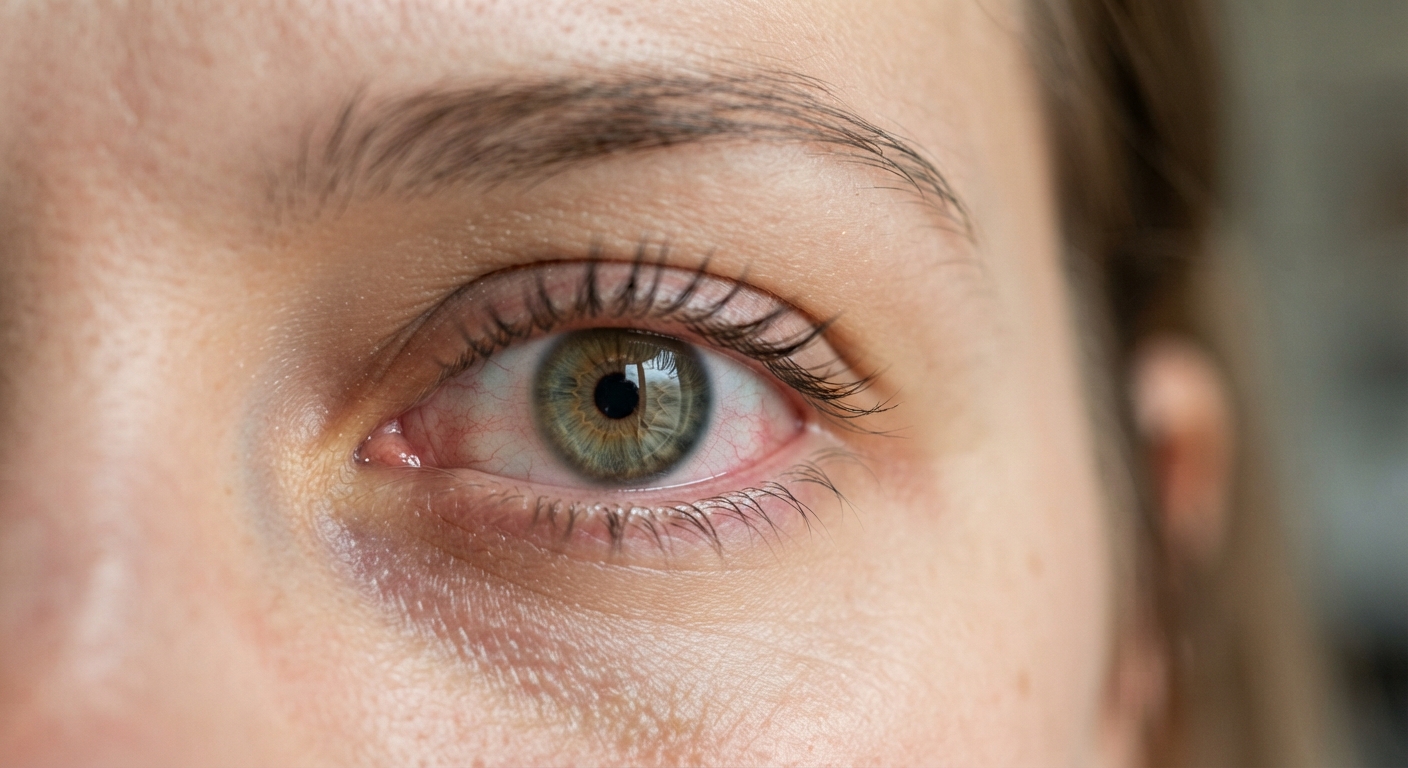
9. Excess tearing and discharge
Contrary to dry eye, some inflammatory eye conditions cause reflex tearing or abnormal discharge. Excess tearing may result from irritation-induced reflex lacrimation or from obstruction of the lacrimal drainage system due to chronic inflammation.
Sticky or mucopurulent discharge persisting over time suggests chronic conjunctival inflammation, possibly with secondary bacterial infection. This can occur in chronic conjunctivitis, blepharitis, or dacryocystitis.
Accurate diagnosis requires slit-lamp examination to characterize the discharge and assess tear drainage. Dye tests and irrigation can evaluate patency of the lacrimal system. Treatment involves targeted antimicrobial therapy when infection is present, topical anti-inflammatory agents, and addressing systemic inflammatory drivers.
10. Conjunctival color changes
Changes in conjunctival coloration can provide important clues to systemic health and ocular inflammation. Pallor of the conjunctiva often correlates with anemia or chronic vascular changes, while yellowing suggests jaundice or hyperbilirubinemia, conditions linked to systemic inflammatory or hepatic disease.
Other conjunctival changes include scarring, papillary hypertrophy (bumps under the eyelids), or follicular reactions, which indicate chronic allergic, infectious, or autoimmune conjunctivitis. These alterations disrupt the ocular surface and contribute to discomfort and visual symptoms.
A thorough slit-lamp examination helps differentiate these findings and guides further testing or referral as needed. Managing the underlying systemic condition is essential alongside local ocular therapy.
When to See a Doctor, Tests That Reveal Chronic Inflammation, and Practical Next Steps
Persistent or progressive eye symptoms warrant timely evaluation by an eye care professional. Urgent assessment is necessary if you experience severe eye pain, light sensitivity, sudden vision loss, new floaters or flashes, or eye trauma.
For chronic but non-urgent symptoms such as daily redness, dryness, recurrent styes, or persistent discharge, schedule a comprehensive eye examination rather than relying solely on symptomatic relief.
Key diagnostic tests include:
- Slit-lamp examination: Essential for assessing ocular surface inflammation, corneal integrity, and anterior chamber inflammation.
- Intraocular pressure measurement: Important for detecting steroid-induced or inflammatory glaucoma.
- Tear breakup time and ocular surface staining: Quantify tear film instability and detect epithelial damage.
- Meibography: Visualizes meibomian gland structure to diagnose gland dysfunction.
- Optical coherence tomography (OCT) and dilated fundus exam: Assess posterior segment inflammation and macular edema.
- Laboratory testing: Targeted blood work for autoimmune markers and infectious serologies when systemic causes are suspected.
Practical steps you can take include documenting symptom patterns and triggers, using preservative-free lubricants, practicing lid hygiene, and following your clinician’s treatment plan, which may involve topical or systemic anti-inflammatory medications.
Regular follow-up is important to monitor treatment response and detect complications early.
Conclusion
Our eyes often reveal signs of chronic inflammation that reflect broader systemic health issues. Recognizing persistent redness, dryness, pain, light sensitivity, floaters, eyelid disease, abnormal tearing, and conjunctival color changes can prompt timely evaluation and treatment. Early diagnosis and targeted therapy not only relieve symptoms but also protect long-term vision and quality of life. If you experience recurrent or worsening eye symptoms, seek comprehensive eye care and bring this information to guide your discussion with your clinician.
Disclaimer: This information is for educational purposes and does not substitute professional medical advice. If you experience severe or worsening eye symptoms, consult an eye care professional promptly.






