9. Pot size
Pot size plays a subtle but important role in encouraging peace lilies to bloom. While these plants can tolerate being slightly root-bound, a pot that is too small restricts root growth and nutrient uptake, limiting flower production. Conversely, an overly large pot retains excess moisture, increasing root rot risk.
Select a pot just 1 to 2 inches larger in diameter than the current container. Ensure it has adequate drainage holes to prevent standing water.
- Use lightweight pots with good drainage, such as plastic or glazed ceramic.
- Repot every 1 to 2 years to refresh soil and accommodate growth.
10. Bloom booster fertilizer
To specifically encourage flowering, consider a fertilizer with a higher phosphorus content, indicated by the middle number in the N-P-K ratio (e.g., 10-20-10). Phosphorus supports bud and flower development, enhancing bloom quality and frequency.
Apply bloom booster fertilizer sparingly and follow label instructions carefully, as excessive phosphorus or frequent use can harm the plant. Use it primarily during the active growing and blooming season.
- Alternate bloom booster fertilizer with balanced fertilizer every other feeding.
- Always dilute fertilizers to half the recommended strength for peace lilies.
11. Patience
Even with all optimal conditions met, peace lilies may take time to bloom. These plants naturally flower in spring but can produce blooms sporadically if happy in their environment. Avoid excessive adjustments or stress, as consistency is key.
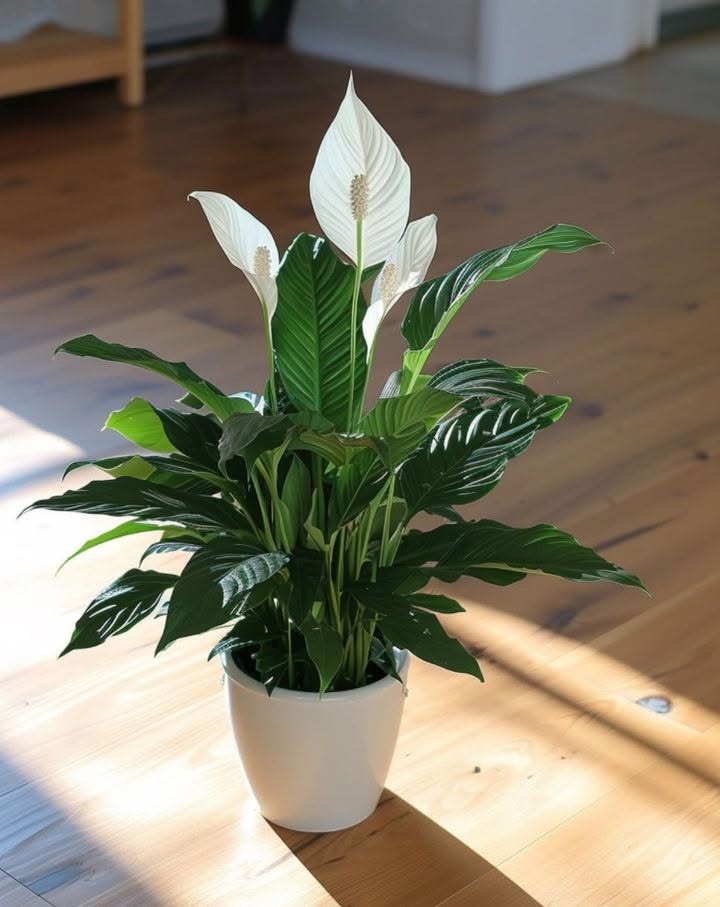
Monitor your plant’s health and continue providing steady care. Eventually, your peace lily will reward you with its elegant white flowers.
When to See a Doctor
While peace lilies are generally safe houseplants, they contain calcium oxalate crystals that can irritate the skin or cause mild poisoning if ingested. If you or someone in your household experiences significant irritation or symptoms after contact with or ingestion of parts of the plant, seek medical advice promptly.
Conclusion
Encouraging your peace lily to bloom involves a combination of proper lighting, watering, humidity, feeding, and environmental stability. Paying close attention to these factors and providing the right soil and pot conditions will help your plant thrive and flower. Remember, patience and consistent care are essential, as each peace lily’s blooming cycle can vary.
This information is for educational purposes and should not replace professional medical or horticultural advice.






