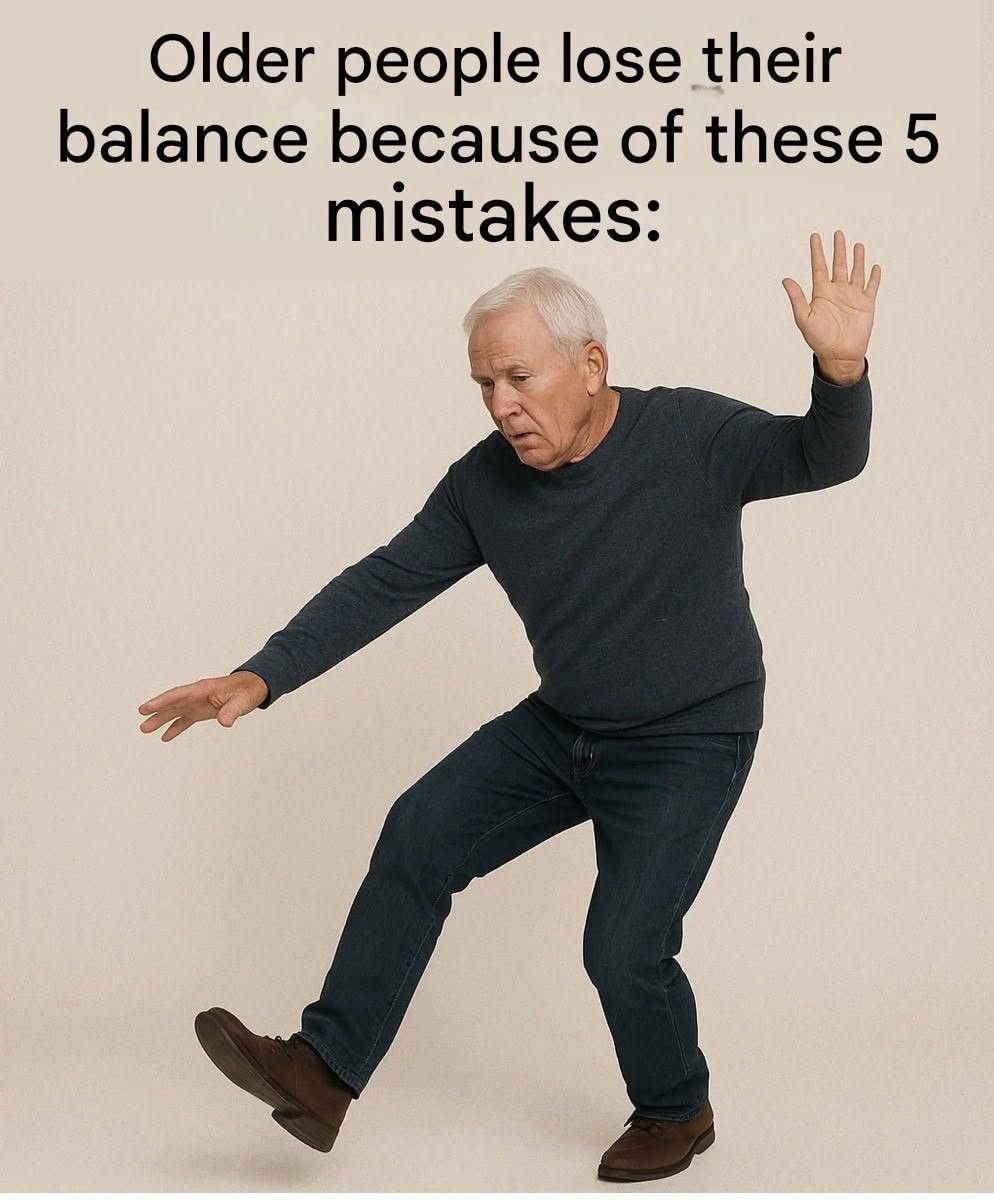
Balance Loss in Older Adults: When to Seek Immediate Help
If you or a loved one experiences sudden dizziness, inability to stand or walk without support, or a fall resulting in injury, seek medical attention promptly. These symptoms can signal serious conditions such as stroke or blood pressure issues.
Understanding the Root Causes of Balance Problems
Not all balance issues in older adults arise from the same source. To address them effectively, it helps to differentiate whether the problem is due to physical weakness, sensory changes, environmental hazards, or medication effects. This distinction guides the right interventions and prevents costly medical complications.
Check Your Medicine Cabinet
Many medications commonly prescribed to older adults—such as sedatives, blood pressure drugs, and certain painkillers—can cause dizziness or affect coordination, increasing fall risk. If you notice balance problems, review your medications with your healthcare provider before making any changes.
Simple Habits That Protect Your Stability
Maintaining muscle strength and coordination does not require intense exercise. A daily routine of moderate walking for 20 to 30 minutes, combined with gentle stretching or balance-focused activities like tai chi or yoga, can significantly improve stability. These habits enhance leg and core muscle function, which are critical for safe mobility.
Footwear Matters More Than You Think
Shoes that fit well and provide solid support reduce the risk of slips and trips. Look for footwear with firm soles, good heel support, and a secure fit. Avoid slippers or shoes with smooth bottoms that can turn everyday surfaces into hazards.
Hydration and Nutrition: Foundations for Balance
Dehydration and poor nutrition contribute to muscle weakness, dizziness, and cognitive confusion—all factors that undermine balance. Aim for consistent water intake throughout the day and a diet rich in fruits, vegetables, lean proteins, whole grains, and healthy fats to sustain energy and muscle health.
Home Safety: Reducing Hidden Fall Risks
Your living space should support stability through adequate lighting, secure rugs, uncluttered walkways, and installed grab bars in critical areas like bathrooms. Small adjustments in your home environment can prevent many falls and the costly injuries they cause.
Vision and Hearing: The Overlooked Balance Partners
Declining eyesight and hearing impair spatial awareness and the brain’s ability to process balance cues. Regular eye exams with updated prescriptions and hearing evaluations can maintain these senses. Proper corrective devices help sustain confidence in movement and reduce fall risk.
Here are the 5 most common mistakes that cause balance loss. Number 3 is the one that often goes unnoticed but has a major impact on safety and independence.






