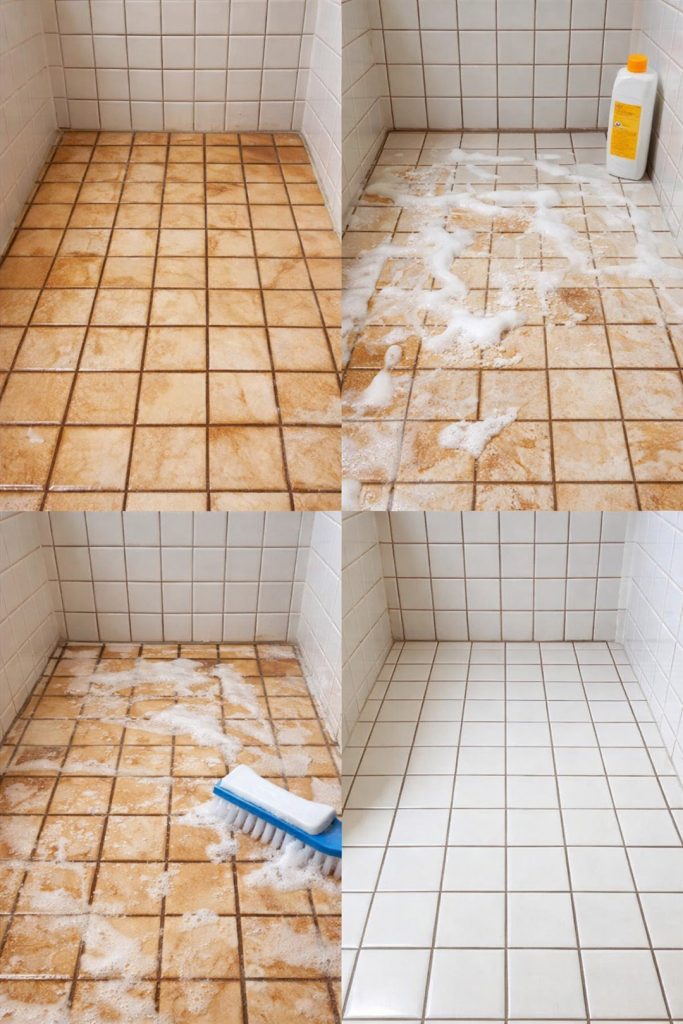
Why Choosing the Right Floor Cleaner Matters More Than You Think
Many people spend a significant amount of money on commercial floor cleaning products expecting shiny, spotless floors. However, these products often leave behind sticky residues or overpowering scents, and sometimes even cause dust to settle faster. This can make your floors look dull sooner and require more frequent cleaning, leading to increased costs and frustration.
Is Your Floor Cleaner Doing More Harm Than Good?
Before investing in expensive store-bought cleaners, consider that some formulas contain harsh chemicals that might degrade your flooring material over time, especially with repeated use. For households prioritizing sustainability or sensitive indoor air quality, these products may not be the best choice.
A Smarter Approach: Homemade Floor Cleaner with Baking Soda and Vinegar
Switching to a homemade floor cleaner is a cost-effective and environmentally friendly option. The combination of baking soda and white vinegar creates a natural cleaning agent that effectively removes dirt and neutralizes odors without leaving harmful residues.
Here’s why this mixture works:
- Baking soda gently lifts dirt and grime without scratching surfaces.
- White vinegar acts as a natural disinfectant and brightens dull floors.
- Water dilutes the ingredients and helps distribute the cleaner evenly.
Simple Preparation with Measurable Ingredients
Using precise measurements ensures consistent results and prevents damage to your floors. Typically, about 100 ml of lukewarm water is combined with half a tablespoon of white vinegar and one tablespoon of baking soda. This proportion balances cleaning power without over-acidity or excessive abrasiveness.
For larger areas, scale up the mixture while maintaining these ratios. This approach helps contain costs—commercial floor cleaners can cost upwards of $5 to $10 per bottle, whereas this homemade solution costs only cents per batch.
Customizing Your Cleaner with Essential Oils
If you prefer a pleasant scent after cleaning, adding a few drops of essential oils like lavender, lemon, or eucalyptus can enhance your experience without saturating indoor air. Use sparingly—overuse of oils can irritate sensitive individuals.
Using Your Homemade Cleaner Correctly
Apply the mixture with a lightly dampened mop, wrung out well to avoid excess moisture. This is crucial because too much liquid can damage certain floor types such as laminate or wood. No rinsing is necessary; once dry, your floors will appear clean and streak-free.
Note that this cleaner is best suited for tile, linoleum, and laminate floors. For hardwood or specialty flooring, consult a professional before use.
If you experience any adverse reactions or your floor shows unexpected wear, discontinue use and seek advice from a flooring specialist.
Here are the 10 essential steps for making and using your homemade floor cleaner effectively. Number 5 is the one that can transform your cleaning routine more than any other.