If you experience chest pain, sudden severe headache, vision changes, fainting, or a racing heart, seek emergency medical care immediately.
Why stopping blood pressure medication suddenly can be dangerous
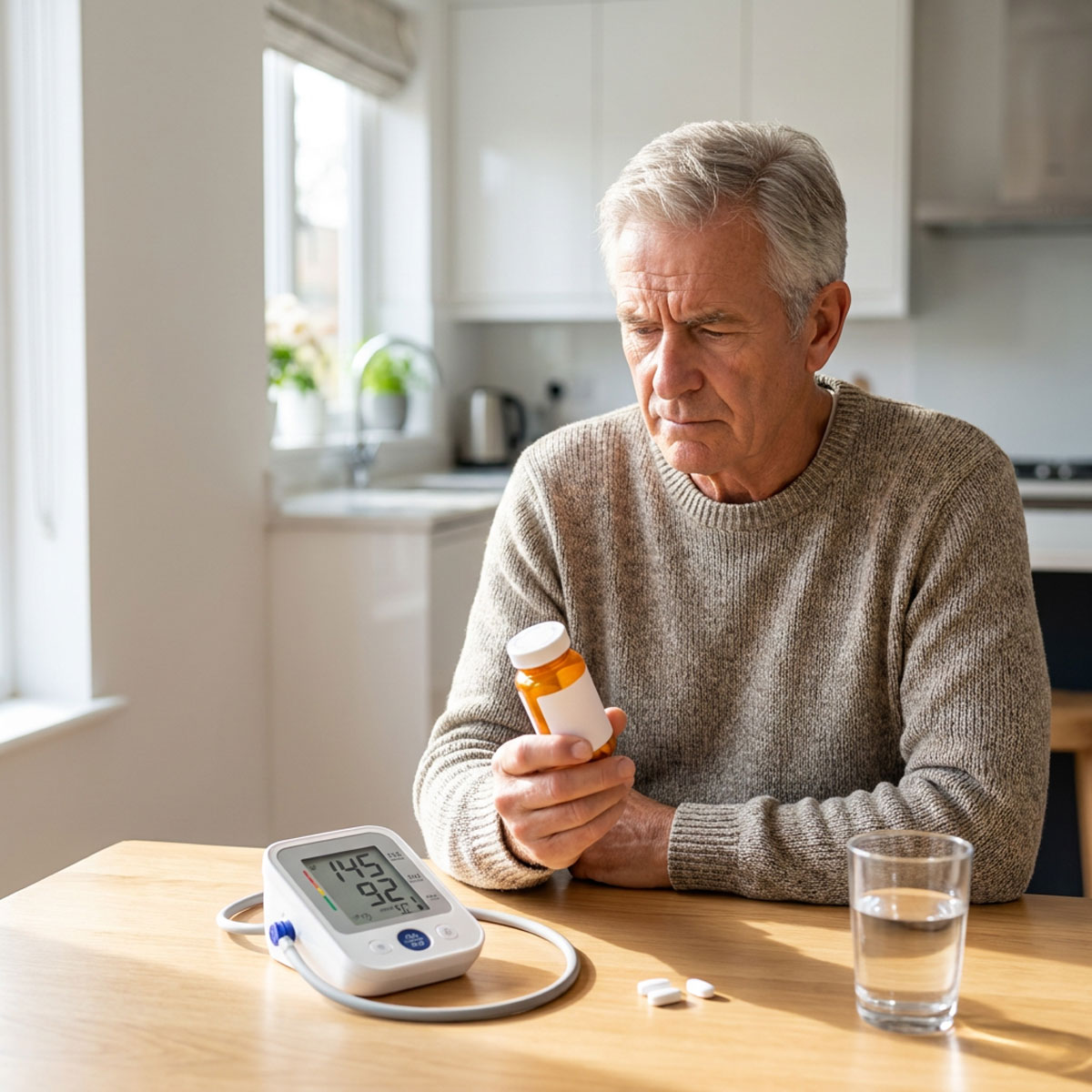
If you’ve started taking blood pressure medication but find yourself feeling unusually tired, dizzy, or experiencing cold hands and feet, you might be tempted to stop the medication on your own. It’s a common impulse when side effects affect daily life more noticeably than the high blood pressure itself, which often causes no symptoms.
However, abruptly discontinuing blood pressure drugs—particularly beta blockers—can trigger a serious and rapid increase in blood pressure known as rebound hypertension. This rebound effect occurs because your cardiovascular system has adjusted to the presence of the medication. When the medication is removed suddenly, the body can overreact, causing blood pressure to spike dangerously, sometimes even higher than before treatment began.
Check your medicine cabinet first
Look closely at which blood pressure medications you are taking. Beta blockers such as metoprolol, atenolol, and propranolol deserve special caution. These drugs slow your heart rate by blocking the effects of stress hormones. Over time, your body compensates by making heart receptors more sensitive. If the medication is stopped suddenly, those receptors respond strongly, causing a racing heart, chest discomfort, and potentially severe heart problems—especially if you have existing coronary artery disease.
This risk is highest within days after stopping beta blockers abruptly, not months later. That’s why medical professionals emphasize gradual tapering rather than sudden cessation.
Feeling fine doesn’t mean you can stop
Many people consider stopping medication because their blood pressure readings look good. But that often means the medication is working, not that the condition has resolved. Just like glasses help you see better without curing your eyesight, blood pressure medication controls your numbers without curing the underlying cause.
Side effects such as fatigue, dizziness, or a persistent dry cough can improve as your body adjusts. But some do not, and all deserve a conversation with your healthcare provider. They can often recommend alternative medications or solutions that let you keep your blood pressure under control without compromising your quality of life.
Make a plan with your doctor
Stopping blood pressure medication on your own can lead to preventable complications. Instead, discuss side effects openly with your clinician. They can guide you on whether symptoms might improve with time, suggest different treatments, or arrange a medically supervised taper if stopping is necessary.
Prepare for your appointment by noting your symptoms, their timing, and any blood pressure readings you’ve taken. This detailed information helps your healthcare provider tailor a safe and effective plan to protect both your heart health and daily well-being.
Here are the 10 most important items to understand. Number 3 explains why beta blockers require special caution — and it could save your life.






