Weak or Brittle Nails: What Your Body May Be Trying to Tell You
Weak, peeling nails may be revealing important clues about your health.
Most people view brittle nails as a cosmetic concern, but health professionals say the condition can often reflect what is happening inside the body. From nutritional deficiencies and dehydration to lifestyle habits and underlying health conditions, weak nails may serve as an early warning sign that deserves attention. Understanding why nails become brittle can help you take practical steps to improve not only their appearance but also your overall well-being.

Strong, healthy nails rarely attract attention. They quietly grow, perform their function, and blend into everyday life. However, when nails begin to peel, split, crack, or break easily, they suddenly become impossible to ignore. Many people assume these changes are simply the result of aging or excessive handwashing, but experts say brittle nails can reveal far more than most people realize.
Nails are made primarily of keratin, a structural protein that also forms hair and the outer layer of skin. Producing healthy keratin requires a steady supply of nutrients, hydration, and proper circulation. Because nails grow slowly and reflect long-term changes in the body, they can often provide clues about health issues that may otherwise go unnoticed.
For some individuals, brittle nails are only a temporary problem caused by environmental factors. For others, they may indicate nutritional imbalances, chronic stress, or medical conditions that require attention. The key is recognizing persistent changes and understanding what might be causing them.
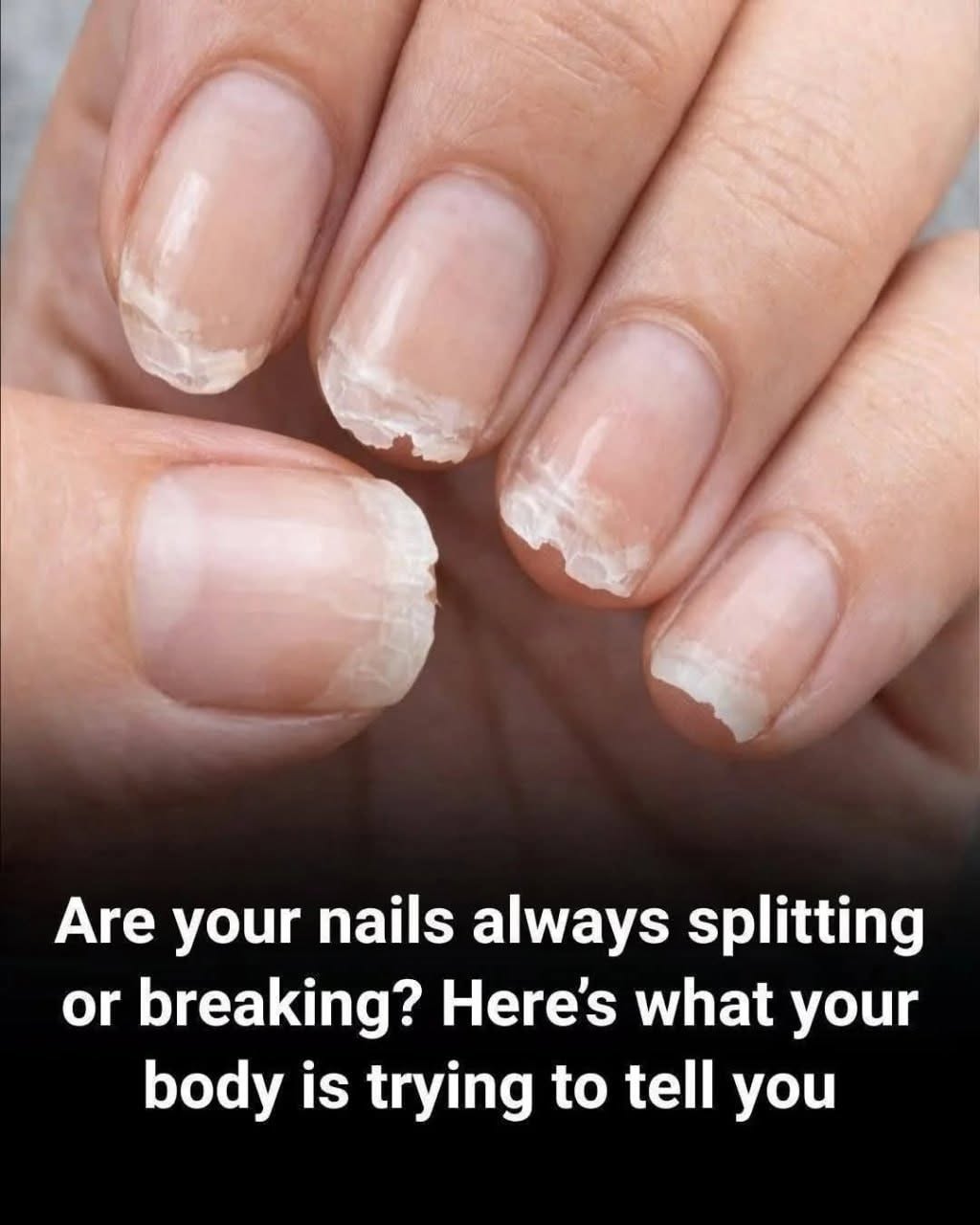
One common sign of brittle nails is peeling layers at the tips. Others may notice excessive splitting, rough edges, thinning, or nails that bend more easily than before. These symptoms can develop gradually, making them easy to dismiss until they become severe enough to interfere with everyday activities.
Among the most common causes of brittle nails are nutritional deficiencies. The body requires vitamins and minerals to build and maintain healthy nail tissue. When these nutrients are lacking, nails may become one of the first visible places where problems appear.
Iron deficiency is frequently associated with nail changes. Iron helps transport oxygen throughout the body, supporting healthy cell growth. When iron levels fall too low, nails may become thin, weak, or develop unusual shapes. In some cases, they may even begin to curve upward.
Biotin, a B vitamin often linked to nail health, also plays a significant role. Although not everyone with brittle nails is deficient in biotin, studies suggest that adequate intake may help improve nail thickness and reduce breakage. Foods such as eggs, nuts, seeds, and legumes are natural sources of this nutrient.
Zinc is another important mineral. It supports tissue growth and repair throughout the body. When zinc intake is insufficient, nail growth may slow, and the nail surface may become more fragile. Similarly, deficiencies in vitamin B12, vitamin D, magnesium, and protein can contribute to weakened nail structure.
Protein deserves special attention because keratin itself is a protein. People following highly restrictive diets or consuming insufficient protein may notice changes in both hair and nails. Since the body prioritizes essential organs over cosmetic structures, nails often suffer when nutritional resources become limited.

Hydration is equally important. Nails contain a certain amount of water that helps maintain flexibility. When nails become excessively dry, they are more likely to crack and split. Many people focus on moisturizing their skin while overlooking the needs of their nails. Yet adequate hydration inside and outside the body can significantly influence nail health.
Environmental exposure is another major factor. Daily activities frequently expose nails to water, soap, detergents, and cleaning chemicals. While these products are useful for hygiene and household maintenance, repeated contact can strip away natural oils that protect the nail surface.
People who wash dishes by hand, clean frequently, work in healthcare, or spend long hours handling water often experience increased nail brittleness. The cycle of repeated wetting and drying can weaken the bond between nail layers, causing them to separate and peel.
Cosmetic practices may also contribute. Frequent use of nail polish remover—particularly products containing acetone—can dry out the nail plate. Artificial nails, gel manicures, and aggressive filing techniques may place additional stress on already fragile nails. While these beauty treatments are generally safe when used appropriately, excessive use may gradually weaken nail integrity.
Age can influence nail condition as well. As people grow older, natural oil production and moisture retention tend to decline. Nails may grow more slowly and become increasingly susceptible to cracking. Although aging itself cannot be prevented, proper nail care can help reduce many of these effects.
Health professionals also point out that brittle nails sometimes reflect broader medical conditions. Thyroid disorders, for example, can affect metabolism and tissue growth, leading to noticeable changes in nail appearance. Skin conditions such as eczema and psoriasis may involve the nails directly, causing thickening, pitting, or fragility.
Circulatory issues can also influence nail health. Healthy nail growth depends on adequate blood flow to deliver oxygen and nutrients. Conditions that interfere with circulation may affect the appearance and strength of nails over time.
Stress is another frequently overlooked factor. Chronic stress influences hormone levels, sleep quality, eating habits, and overall health. When the body remains under prolonged stress, resources may be diverted away from nonessential processes such as nail growth. As a result, nails may become weaker or develop ridges and other abnormalities.
In addition, sleep quality plays an indirect but important role. The body performs many repair and recovery functions during sleep. Persistent sleep deprivation can affect tissue regeneration, immune function, and nutrient utilization, potentially contributing to weaker nails over time.
Fortunately, improving nail health often begins with relatively simple changes. A balanced diet rich in vitamins, minerals, and protein provides the foundation for stronger nail growth. Including foods such as eggs, fish, lean meats, leafy greens, nuts, seeds, beans, and dairy products can help support the body’s natural keratin production.
Proper hydration is equally essential. Drinking enough water throughout the day supports healthy tissues, while moisturizing creams and oils can help protect nails from external dryness. Applying hand cream after washing hands is a simple habit that may reduce moisture loss.
Protective measures also make a difference. Wearing gloves during cleaning, dishwashing, or gardening can shield nails from harsh chemicals and excessive water exposure. Small preventive steps often produce noticeable improvements over time.
Patience is important because nails grow slowly. Fingernails typically grow only a few millimeters each month. Even after addressing the underlying cause, visible improvements may take several months to appear. Consistency is often more important than quick fixes.
Experts caution against relying solely on supplements without understanding the underlying cause of nail problems. While supplements may help in cases of genuine deficiency, excessive intake of certain nutrients can sometimes create new health concerns. Consulting a healthcare professional is often the safest approach when symptoms persist.
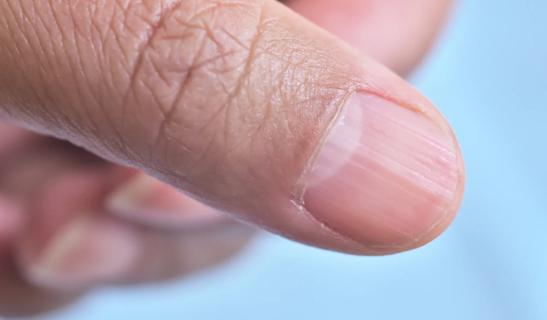
It is also important to watch for accompanying symptoms. Brittle nails combined with fatigue, hair loss, unexplained weight changes, persistent cold sensitivity, or skin problems may indicate a more significant issue that deserves medical evaluation. Nails should be viewed as one piece of a larger health picture rather than an isolated concern.
Many people are surprised to learn how closely nail health is connected to overall wellness. Because nails grow gradually and respond slowly to changes, they often provide a record of the body’s recent history. Improvements in diet, hydration, and lifestyle may eventually become visible through stronger, healthier nail growth.
Ultimately, weak or brittle nails are not always just a cosmetic inconvenience. They can serve as valuable indicators of nutritional status, environmental exposure, stress levels, and general health. Paying attention to these signals may help identify problems early and encourage healthier habits that benefit the entire body.
While occasional nail damage is normal, persistent brittleness should not be ignored. Healthy nails reflect a combination of good nutrition, proper care, adequate hydration, and overall well-being. By understanding the possible causes behind nail changes and taking practical steps to address them, many people can improve both the appearance of their nails and their long-term health.