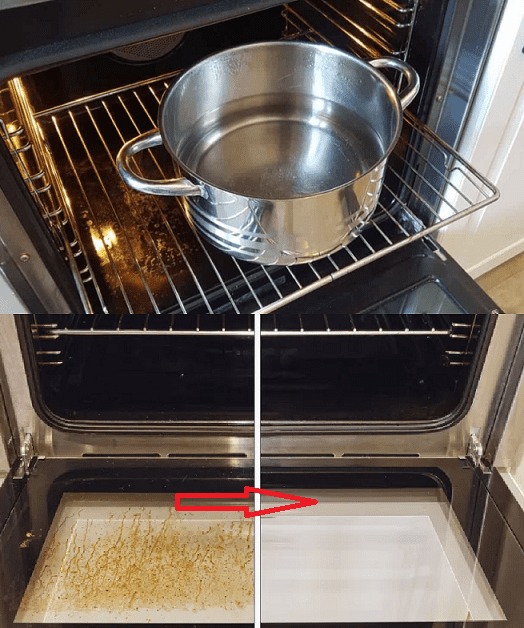
Why Proper Oven Cleaning Matters Beyond Appearance
Oven maintenance is more than a cosmetic task—it impacts your appliance’s performance, food safety, and indoor air quality. Residue buildup can impair heating efficiency and even emit unpleasant odors or smoke when the oven is in use. While many resort to commercial oven cleaners, these often contain harsh chemicals that pose inhalation risks and can irritate skin or eyes. Choosing a safe, effective cleaning method is especially important for households with children, pets, or individuals with respiratory sensitivities.
Decide How Deep Your Oven Cleaning Needs To Be
Before starting, assess the current condition of your oven. Is the buildup light, from occasional spills, or thick with baked-on grease accumulated over months? This distinction helps determine whether a quick surface clean or a more intensive, overnight treatment is necessary. For ovens with heavy grime, a simple wipe won’t suffice and can waste time and effort.
Check Your Oven’s Accessories and Settings First
Remove all racks and trays to clean separately—this prevents residue transfer and allows thorough access to the oven interior. Also, consult your oven’s manual for any manufacturer warnings about cleaning methods or materials to avoid that could damage surfaces or coatings.
Safe, Low-Cost Ingredients Already in Your Kitchen
The cleaning method we focus on uses baking soda and vinegar, two inexpensive, non-toxic ingredients. Baking soda works as a mild abrasive and deodorizer, while vinegar’s acidity helps dissolve grease and reacts with baking soda to lift stubborn residue. This combination avoids the dangers of chemical cleaners and is environmentally friendly.
Here are the 10 essential steps. Number 7 is the one that makes the biggest difference in removing tough grime without scrubbing.