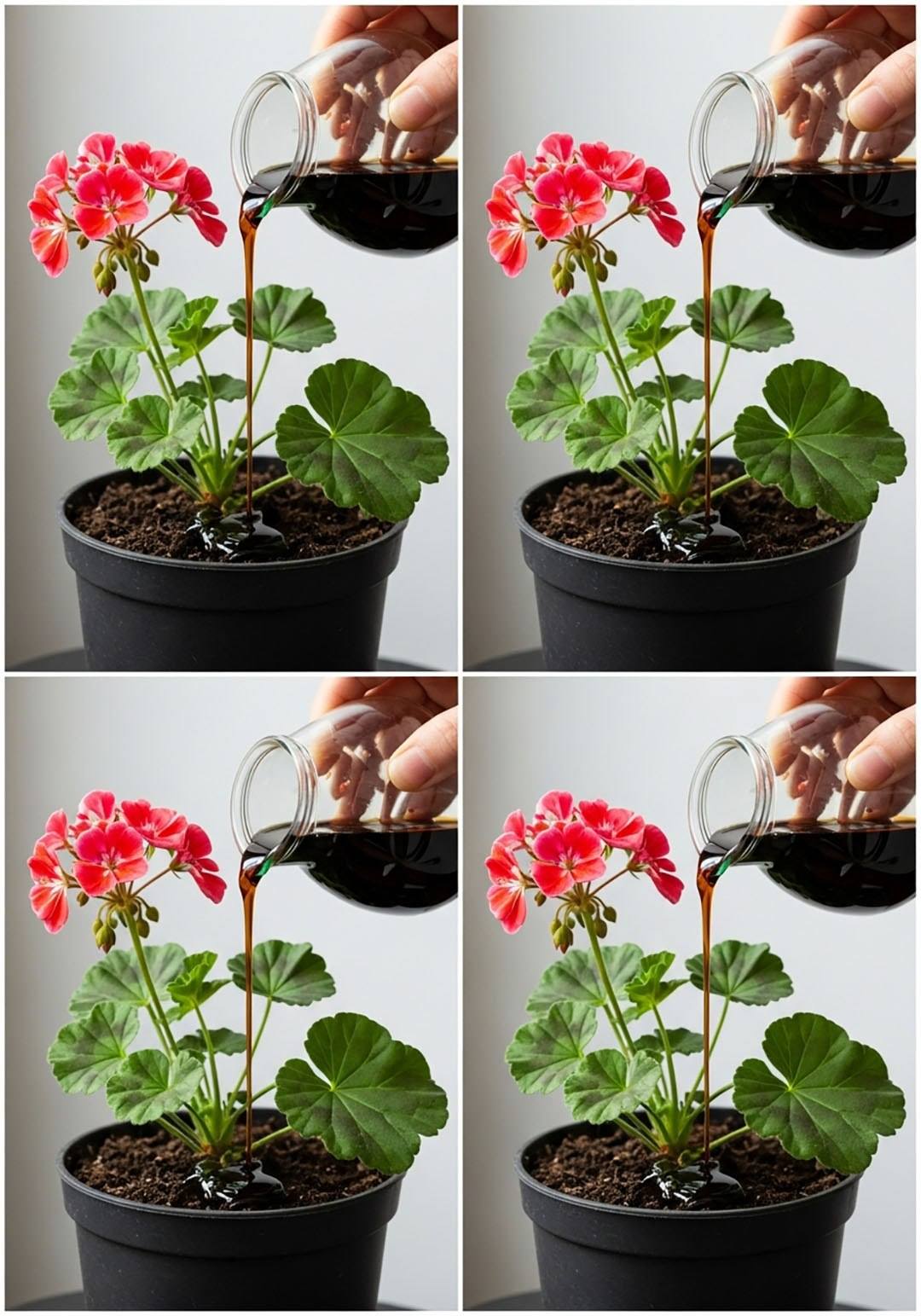
9. Organic fertilization
To sustain geraniums’ long-lasting flowering, supplement their nutrition with organic fertilizers such as well-matured compost, decomposed manure, or natural balanced fertilizers rich in nitrogen, phosphorus, and potassium.
Apply fertilizer moderately and consistently—excessive amounts can burn roots and reduce flowering. Use a slow-release formula or liquid feed diluted according to package instructions every 4 to 6 weeks during the growing season.
Organic fertilizers improve soil structure over time and provide trace elements that synthetic fertilizers may lack, supporting healthier, more vigorous plants.
10. Plant observation and care adjustment
Each geranium responds differently to environmental conditions. Regular observation of leaf color, flower health, and growth rate allows you to tailor care precisely.
Yellowing leaves may indicate overwatering or nutrient deficiency, while leggy growth suggests insufficient light. Adjust watering schedules, light exposure, or fertilization accordingly.
Keeping a simple care journal can help track changes and identify patterns that optimize plant health and flowering longevity.
When to Seek Expert Advice
If you notice persistent wilting, discoloration, or unusual spots despite adjusting care, consult a professional horticulturist or plant pathologist. Early diagnosis of diseases such as fungal infections or pest infestations is crucial to prevent irreversible damage.
In cases where chemical treatments or systemic fungicides are recommended, always follow product guidelines and safety instructions carefully.
Conclusion
By combining optimal sunlight, controlled watering, quality soil, regular maintenance, and attentive observation, you can achieve nearly continuous blooming of your geraniums for over a year. Incorporating natural boosters like iodine and occasional aspirin treatments may further enhance plant resilience and flower production.
With patience and consistent care, your geraniums will transform your space into a vibrant, colorful oasis that lasts well beyond the typical flowering season.
Disclaimer: This information is provided for general gardening guidance. For specific plant health issues, consult a qualified horticulture expert before applying treatments.






