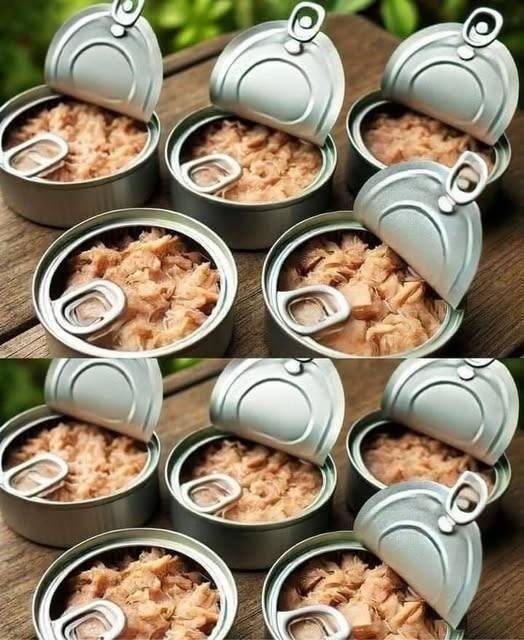
9. Decorative Holders
Tuna cans can be repurposed as decorative holders for items like makeup brushes, toothbrushes, or kitchen utensils. With some creative painting or decoupage, the cans can blend seamlessly into your décor style—whether rustic, modern, or vintage.
To elevate their appearance, glue lace, burlap, or ribbons around the cans. This simple upgrade turns an ordinary can into a stylish container that helps organize daily essentials while reducing clutter.
10. Pet Feeders
For pet owners, empty tuna cans can be adapted as feeding bowls for small animals such as hamsters, birds, or reptiles. Ensure the can is impeccably clean and free from sharp edges. You may want to smooth the rim with sandpaper and line the inside with a pet-safe silicone mat to prevent rust and facilitate cleaning.
Use these feeders for dry food or treats, and keep them in a stable spot to avoid spills. This eco-friendly option helps reduce plastic usage and gives your pet a sturdy feeding station.
When to See a Doctor
While repurposing tuna cans is generally safe, be cautious of any rust or sharp edges that might cause cuts or infections. If you experience redness, swelling, or persistent pain from a cut, consult a healthcare professional promptly. Additionally, if you use these cans for food or pet feeding, ensure thorough cleaning to avoid bacterial contamination.
Conclusion
Empty tuna cans offer a surprising range of practical and decorative uses around the home. From planters and candle holders to seed starters and pet feeders, these humble cans can reduce waste while adding function and style. With some creativity and basic supplies, you can transform what would be trash into valuable household items.
Before repurposing, always clean cans thoroughly and smooth any sharp edges to ensure safety. By adopting these ideas, you contribute to sustainability and enjoy unique, budget-friendly solutions.
Disclaimer: This article is for informational purposes only and does not replace professional advice. Always exercise caution when handling metal objects and consult a healthcare professional for any medical concerns.






