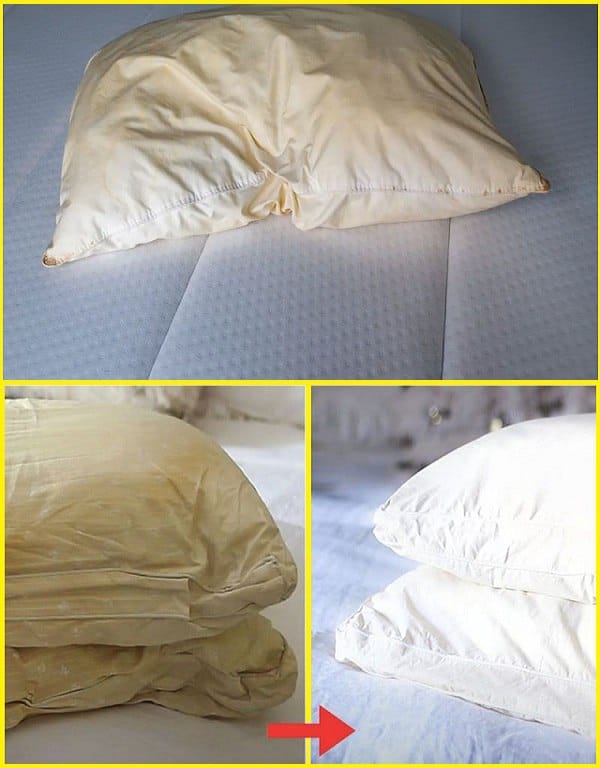
9. Pillow protection strategies
Investing in pillow protectors designed to be waterproof and allergen-proof can substantially extend pillow life and improve hygiene. These protectors block sweat, oils, dust mites, and allergens from reaching the pillow’s interior, reducing staining and potential health risks.
Choose protectors made from breathable materials to maintain comfort and prevent heat buildup. Wash protectors frequently according to manufacturer instructions to ensure they remain effective.
Using pillowcases alone is often insufficient to prevent pillow damage since fluids can seep through fabric over time.
10. When to replace pillows
Even with proper care, pillows eventually lose their supportive properties and become unhygienic. Signs it’s time to replace your pillow include:
- Persistent yellow or brown stains that do not wash out
- Unpleasant odors despite cleaning
- Loss of loft or flattening, reducing neck and head support
- Allergy symptoms worsening when sleeping on the pillow
- Visible mold or mildew growth
Replacing pillows every 1 to 2 years is generally recommended, but this depends on pillow type, usage, and personal health needs.
When to See a Doctor
If you experience worsening allergy symptoms, respiratory issues, or skin irritation that you suspect may be related to your bedding, consult a healthcare professional. Persistent allergic reactions could indicate dust mite sensitivity or mold exposure from pillows and require medical evaluation and treatment.
Conclusion
Keeping your pillows clean and fresh requires understanding their material, proper cleaning methods, and regular maintenance. Pre-treat stains, follow washing guidelines carefully, and use protective covers to prolong pillow life and maintain a healthy sleep environment. Regular replacement is essential to avoid health risks associated with old, contaminated pillows.
Disclaimer: This information is for educational purposes and does not replace professional medical advice. Always consult with a healthcare provider regarding health concerns related to allergies or respiratory conditions.