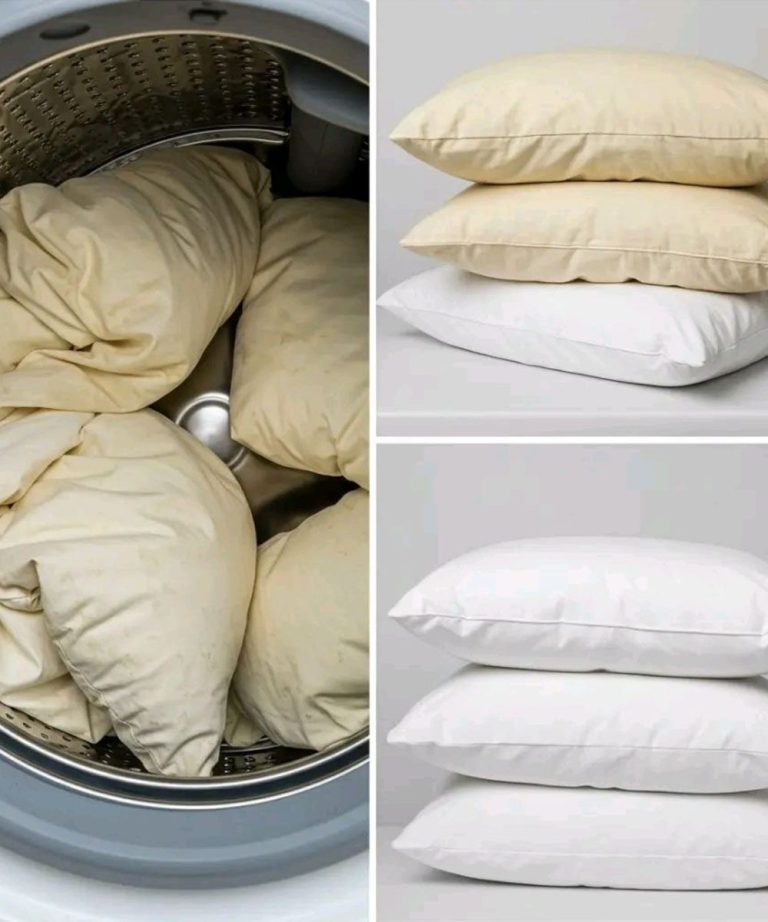
1. Hot water and lemon soak
Using lemon juice combined with hot water is an effective natural method to whiten yellowed pillows and reduce bacterial buildup. Lemon contains natural acids with mild bleaching and disinfecting properties that can help break down sweat stains and organic residues embedded in pillow fibers.
To use this method, boil approximately 2.5 liters of water and carefully pour it into a large basin. Add about 6 cups of fresh lemon juice to the hot water, stirring to mix thoroughly. Fully submerge the pillow in this lemon water soak, ensuring it is completely covered. Let it soak for around 2 hours to allow the acidic solution to penetrate and loosen stains.
After soaking, gently wash the pillow with a mild detergent and warm water to remove loosened debris and lemon residue. Rinse thoroughly to avoid lingering acidity, which could damage pillow materials over time. This soak is best suited for pillows that are machine washable and made of durable fabrics like cotton or polyester blends.
Tips for a successful lemon soak:
- Use fresh lemon juice rather than concentrate for best results.
- Ensure the water is hot but not boiling when adding lemon juice to preserve its active compounds.
- Test a small area of the pillow first to check for any color fading or fabric damage.
- Repeat the soaking process monthly to maintain whiteness and freshness.
2. Baking soda and detergent wash
Baking soda is a versatile household cleaner with natural deodorizing and mild whitening abilities. When combined with a good quality laundry detergent, it enhances stain removal from pillows while neutralizing odors caused by sweat and bacteria.
To wash yellowed pillows with baking soda, add about half a cup of baking soda directly into the washing machine drum along with your regular detergent. Use the warm or hot water setting recommended for your pillow type to maximize cleaning power. The alkaline nature of baking soda helps lift stains and soften fabrics.
For hand washing, dissolve a half cup of baking soda in warm water and soak the pillow for 30 minutes before scrubbing gently with detergent. Rinse thoroughly to remove all residues.
This method is effective for removing mild to moderate yellowing and odors, especially when done regularly every 4 to 6 weeks. It also helps maintain the pillow’s fluffiness and extends its usable life.
Additional washing tips:
- Check care labels before washing; some pillows may require gentle cycles or dry cleaning.
- Use a detergent formulated for whites or one with enzymes targeting protein-based stains like sweat.
- Do not overload the washing machine to ensure thorough rinsing and agitation.
- Consider adding an oxygen-based bleach for extra whitening if the pillow fabric allows.






