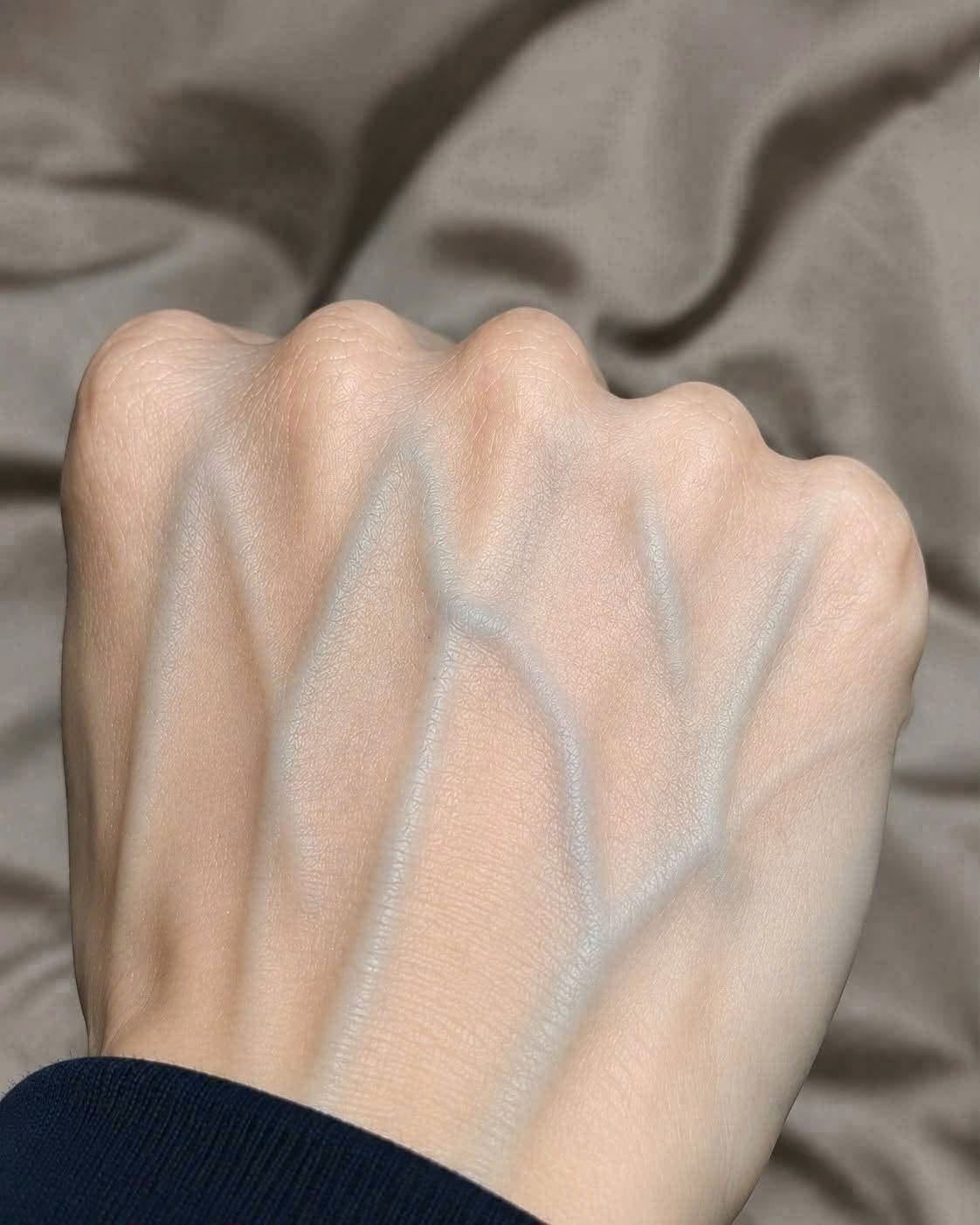
This is not medically accurate.
Normal circulation depends on a complex network of arteries, veins, capillaries, and the heart itself.
The cardiovascular system must continuously deliver oxygen and nutrients to tissues while removing metabolic waste products.
Veins are responsible for returning blood toward the heart.
Their visibility through the skin does not, by itself, show whether the circulation is adequate or inadequate.
In fact, veins may be prominent because of entirely normal physiological responses, including temperature regulation and physical activity.
Poor circulation is a broad expression rather than a single diagnosis.
It can refer to conditions affecting arteries, veins, or smaller blood vessels.
Different conditions produce different symptoms.
Problems involving arterial blood flow may cause coldness, pain, numbness, color changes, or wounds that heal poorly.
Venous conditions may be associated with swelling, discomfort, heaviness, skin changes, or prominent abnormal veins.
However, a person with clearly visible hand veins and no other symptoms may have perfectly normal circulation.
The appearance of the veins provides only a small piece of information.
Medical professionals assess circulation by considering symptoms, medical history, physical examination findings, and, when appropriate, diagnostic tests.
They may examine skin temperature, pulses, swelling, capillary refill, and other signs.
For that reason, it is misleading to diagnose a circulatory disorder based solely on a photograph of someone’s hands.
Online images rarely provide the context needed to distinguish normal anatomy from disease.
If your hand veins have always been prominent and you feel well, there is usually little reason to assume poor circulation.
If you develop persistent coldness, unusual pain, changes in skin color, numbness, or impaired hand function, those symptoms deserve evaluation regardless of how visible your veins are.
9. When Visible Veins May Indicate Inflammation
Although prominent hand veins are usually harmless, certain changes can suggest inflammation of a blood vessel.
One relevant condition is phlebitis.
Phlebitis refers to inflammation of a vein and may affect blood vessels near the skin’s surface.
When a superficial vein becomes inflamed and a blood clot is present, the condition is often called superficial thrombophlebitis or superficial vein thrombosis.
According to the UK’s National Health Service, superficial phlebitis can produce pain, tenderness, swelling, warmth, and changes in the color or texture of the surrounding skin.
nhs.uk
The affected vein may feel unusually firm, almost like a cord beneath the skin.
This differs from an ordinary visible vein, which typically does not cause persistent pain or inflammation.
Phlebitis can sometimes occur after an intravenous catheter or injection, following injury to a vein, or in association with other risk factors.
It is more commonly discussed in relation to the legs, but it can also affect the arms.
Some cases are relatively mild and improve with appropriate care.
However, similar symptoms can occur with more serious conditions, including deep vein thrombosis.
Therefore, a new painful, swollen, hard, or warm vein should not be dismissed as a normal cosmetic change.
A healthcare professional may need to examine the area and determine whether testing is necessary.
It is particularly important to avoid making a diagnosis based on photographs alone.
Skin inflammation, infection, trauma, and vascular disorders can sometimes have overlapping appearances.
Prompt assessment is the safest way to determine the cause when warning signs develop.
10. The Difference Between Normal Veins and Blood Clots
The words “blood clot” can sound frightening, and many social media posts exploit this fear by associating visible veins with dangerous vascular events.
But a prominent vein is not automatically a clot.
Blood clotting is a normal protective process that helps stop bleeding when a blood vessel is injured.
Problems develop when clots form inappropriately inside blood vessels or interfere with blood flow.
Deep vein thrombosis, commonly abbreviated as DVT, occurs when a blood clot forms in a deep vein.
Although it most frequently affects the legs, DVT can also occur in the arms.
Symptoms may include pain, swelling, tenderness, warmth, and skin discoloration.
According to MedlinePlus, deep vein thrombosis can sometimes produce complications if a clot travels to the lungs and causes a pulmonary embolism.
MedlinePlus
This does not mean that someone with visible hand veins is likely to develop such a complication.
Most ordinary, painless hand veins do not suggest a blood clot.
The signs that deserve concern involve a change from a person’s normal condition.
For example, one hand or arm becoming suddenly swollen, painful, and warm is more concerning than longstanding veins visible on both hands.
Risk factors also matter.
Recent surgery, prolonged immobility, previous blood clots, certain medical conditions, and the presence of vascular catheters can increase the risk of venous clotting.
Doctors consider these factors alongside symptoms before deciding whether further investigation is needed.
An ultrasound may be used to assess blood flow and look for a suspected clot.
Importantly, a potentially dangerous clot may exist without a visibly enlarged vein.
That is why medical decisions must be guided by the full clinical picture rather than a single appearance.
If you experience unexplained arm swelling or pain, seek prompt medical care.
If you develop sudden shortness of breath, chest pain, fainting, or coughing up blood, seek emergency medical assistance immediately.
These symptoms should never be attributed merely to ordinary visible veins.
11. Why Sudden Changes Matter More Than Longstanding Veins
When evaluating any physical change, doctors often ask a simple question: Is this normal for you?
A feature that has existed for years without symptoms may be less concerning than a sudden, unexplained change.
This principle is particularly useful when considering hand veins.
Suppose your veins have been visible since adolescence.
They become somewhat more noticeable after exercise or during hot weather, but they do not hurt and your hands function normally.
That pattern is generally consistent with ordinary anatomy and physiology.
Now consider a different situation.
One vein suddenly becomes enlarged and painful. The surrounding skin feels warm, and the hand begins to swell.
That pattern deserves medical attention.
The difference is not simply the size of the vein.
It is the combination of sudden onset, localized symptoms, and an unusual change from the person’s previous appearance.
Even changes that initially seem minor may be important when accompanied by other symptoms.
Doctors may ask when the change began, whether it affects one hand or both, and whether there has been recent injury, an intravenous procedure, or unusual physical activity.
They may also ask about medications, previous clotting disorders, or other medical conditions.
These details help narrow down potential causes.