16. Common Myths About Prominent Hand Veins
The popularity of health-related social media has contributed to several misunderstandings about visible veins.
One common claim is that prominent veins always indicate heart disease.
There is no reliable medical basis for making that diagnosis from hand-vein visibility alone.
Heart disease has many potential symptoms and risk factors, but ordinary visible superficial veins are not a standalone diagnostic sign.
Another claim is that prominent veins mean blood pressure is dangerously high.
Blood pressure cannot be accurately assessed by looking at the veins on someone’s hands.
A proper measurement requires an appropriate blood pressure device and correct technique.
Similarly, some online posts suggest that dark or blue-looking veins mean the blood is not receiving enough oxygen.
This is misleading.
Veins may appear blue or green because of the interaction between light, skin, and blood vessels. Their visible color does not directly reveal a person’s blood oxygen level.
Another misconception is that any enlarged vein must contain a blood clot.
As discussed earlier, normal anatomy, exercise, aging, and temperature changes commonly explain vein prominence without the presence of a clot.
Finally, some people believe that visible veins always demonstrate exceptional physical fitness.
Although athletes may have prominent veins, the appearance also depends on genetics, body fat, skin thickness, and other individual characteristics.
Vein visibility is not a dependable measure of strength or cardiovascular health.
These myths share a common problem: they attempt to draw major medical conclusions from a single physical feature.
Real medical assessment is more nuanced.
17. A Simple Way to Decide When to Seek Help
If you are worried about the appearance of your hand veins, consider the circumstances surrounding the change.
Start by thinking about how long the veins have been visible.
If they have been noticeable for many years and have not caused discomfort, they may simply represent your normal anatomy.
Next, consider whether the appearance varies throughout the day.
Veins that become more visible during exercise, when your hands hang down, or in warm conditions may reflect ordinary changes in blood flow.
Then consider whether there are associated symptoms.
Painless veins that look similar on both hands generally raise fewer concerns than a newly painful, swollen, or inflamed area.
New or unexplained changes still deserve discussion with a clinician, even when symptoms are mild.
A few practical principles can help:
Usually less concerning: Longstanding, painless veins that become more visible with age, heat, activity, or changes in body composition.
Arrange a medical appointment: New or unexplained vein prominence, particularly if it persists or is accompanied by other changes.
Seek prompt medical assessment: Pain, tenderness, redness, warmth, a hard vein, or sudden swelling of a hand or arm.
Seek emergency care: Sudden severe pain with a cold or pale hand, major loss of function, chest pain, sudden shortness of breath, or fainting.
These guidelines are not a substitute for professional medical advice, but they can help distinguish common changes from symptoms that should be investigated.
18. Why Paying Attention to Your Body Matters
Our bodies are constantly changing.
Some changes happen slowly over years, while others occur within minutes in response to temperature, activity, or posture.
The veins on the backs of our hands provide a visible example of these ordinary physiological adjustments.
They may become more prominent as the skin ages.
They may stand out during exercise.
They may appear fuller when the weather is hot.
They may remain noticeable because of inherited anatomy or low levels of fat beneath the skin.
None of these situations automatically points to disease.
Nevertheless, becoming familiar with what is normal for your body can be useful.
When you know how your hands usually look and feel, you may be better able to recognize an unusual change.
The goal is not to examine every vein obsessively or interpret every difference as a warning sign.
Instead, it is to develop a balanced awareness of your health.
Regular medical checkups, healthy habits, and timely attention to new symptoms can be far more valuable than repeatedly comparing your hands with photographs online.
The Cleveland Clinic emphasizes that bulging veins are often harmless but recommends medical assessment when they are new or accompanied by symptoms such as pain, swelling, redness, or warmth.
Cleveland Clinic
That guidance reflects the most useful approach: neither unnecessary panic nor automatic dismissal.
Conclusion: Your Hand Veins May Be Telling a Normal Story
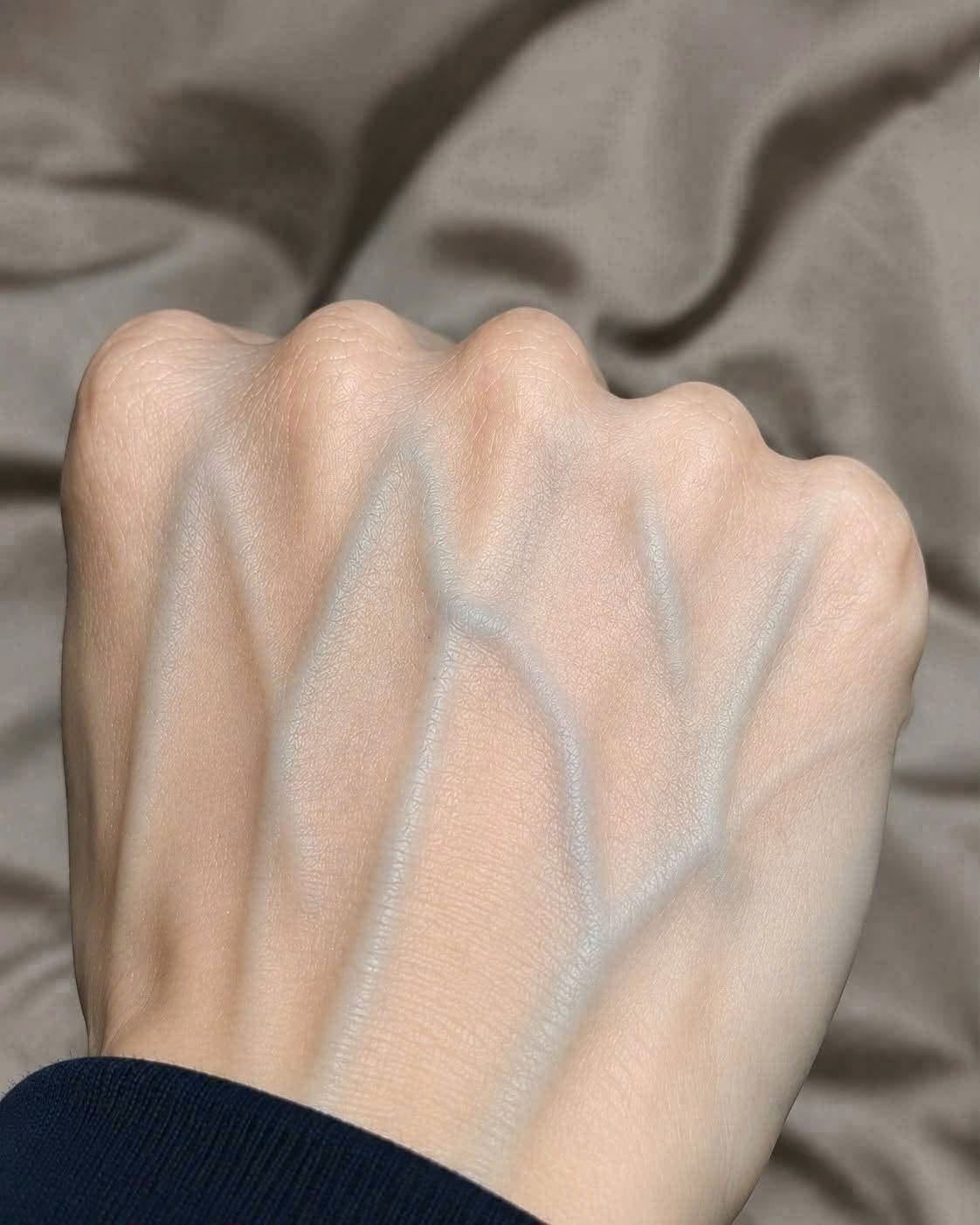
Visible veins on the hands can sometimes look dramatic, especially when they appear raised, dark, or unusually prominent.
But their appearance does not necessarily reflect a hidden illness.
For most people, the explanation is much simpler.
Natural aging, reduced skin thickness, lower body fat, exercise, warm temperatures, genetics, and ordinary fluctuations in circulation can all make hand veins easier to see.
These changes are often harmless and do not require treatment.
What deserves greater attention is a sudden or unexplained change accompanied by pain, swelling, warmth, discoloration, numbness, or weakness.
Such symptoms may indicate inflammation, a clot, or another condition that should be assessed by a healthcare professional.
Instead of viewing every visible vein as a warning, consider the complete picture.
How long has it been there? Has it changed suddenly? Does it hurt? Is there swelling? Are there other unusual symptoms?
Those questions provide much more useful information than appearance alone.
Your hands can offer clues about your health, but visible veins are not a diagnosis.
A healthy approach combines awareness with perspective: understand normal changes, pay attention to meaningful warning signs, and seek qualified medical advice when something genuinely seems wrong.
In many cases, those prominent blue lines across the backs of your hands are simply part of the remarkable circulatory system that keeps your body functioning every day.
Medical References and Trusted Sources
1. Cleveland Clinic — Bulging Veins: Causes, Symptoms and Treatment. Explains common causes of prominent veins, including aging, exercise, and lower body fat, and identifies symptoms that require medical evaluation. Read Cleveland Clinic article.
2. National Health Service (NHS) — Phlebitis (Superficial Thrombophlebitis). Covers symptoms of inflamed superficial veins, including tenderness, warmth, swelling, and skin changes. Read NHS guidance.
3. MedlinePlus — Deep Vein Thrombosis. Provides medically reviewed information about blood clots, risk factors, symptoms, diagnosis, and emergency warning signs. Read MedlinePlus guidance.
4. Cleveland Clinic — Venous Disease: Types, Symptoms and Treatment. Explains common vascular conditions, circulation-related symptoms, risk factors, and prevention. Read about venous disease.
5. MedlinePlus — Blood Clots. Reviews how clots form, where they occur, and the symptoms that may signal a serious complication. Read blood clot overview.