6. Using organic supplements
While rice water provides a natural fertilizer rich in basic nutrients, supplementing your Peace Lily’s soil with organic materials can enhance growth and flower production. Organic supplements such as bone meal, banana peel powder, cow manure, or chicken manure add valuable micronutrients and improve soil structure.
Apply these supplements sparingly — typically once every month or two — to avoid nutrient buildup that can cause root damage. Mixing small amounts into the topsoil or using them as a light mulch layer helps the plant absorb nutrients gradually.
7. Preventing mold and pests
Peace Lilies are susceptible to mold growth and pests like spider mites and fungus gnats, especially in high humidity or with poor ventilation. To prevent these issues, avoid overwatering and ensure the soil surface dries slightly between waterings.
- Keep the plant in a well-ventilated area with good air circulation.
- Remove dead leaves regularly to reduce fungal habitats.
- If you notice pests, treat the plant promptly with insecticidal soap or neem oil according to product instructions.
Using strained rice water rather than unfiltered mixtures also helps minimize mold risk by removing organic debris that fungi thrive on.
8. Signs of healthy growth
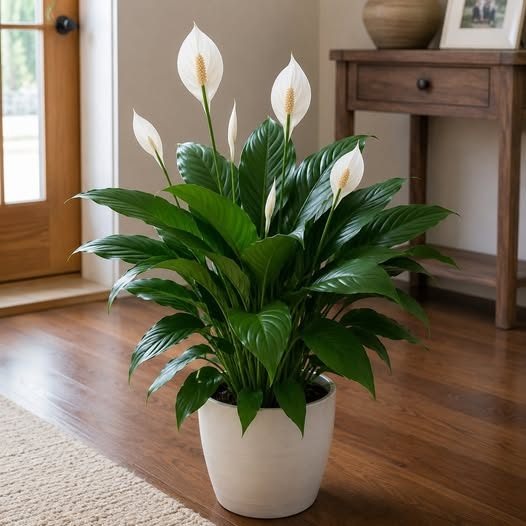
A healthy Peace Lily exhibits vibrant, glossy green leaves and frequent white blooms. New leaves should emerge regularly, and the plant should maintain an upright posture without drooping. Flowers will appear as white spathes surrounding a yellow-green spadix, lasting for several weeks before fading.
If your Peace Lily shows these signs, your care routine—including rice water fertilization—is effectively supporting its growth. Conversely, yellowing leaves, lack of blooms, or stunted growth indicate that adjustments in watering, light, or nutrition may be necessary.