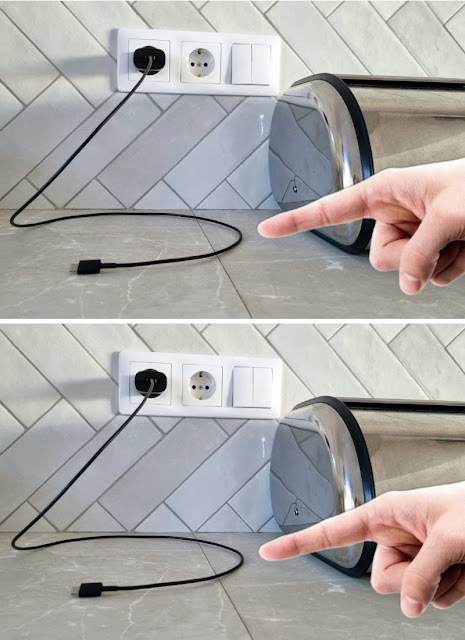
1. Standby Power Consumption
Even when your phone is fully charged or not connected, a charger left plugged into an outlet continues to draw a small amount of electricity. This is known as standby power consumption or vampire power. While the amount consumed by a single charger is relatively low, it adds up significantly over months and years across multiple devices in a household.
This continuous energy use not only increases your electricity bill but also contributes to unnecessary energy waste. Although modern chargers are designed to minimize this consumption, older or cheaper models may draw more power when idle.
- Standby power can account for 5-10% of residential electricity use in some homes.
- Unplugging chargers when not in use is a simple way to reduce this waste.
- Using smart power strips can automatically cut power to chargers and devices.
By being mindful about unplugging chargers, you not only save on energy costs but also reduce your environmental footprint.
2. Overheating and Damage
Chargers that remain plugged in continuously are prone to overheating. Internal components, such as capacitors and transformers, generate heat during operation. Prolonged exposure to heat can degrade these parts, reducing the charger’s efficiency and lifespan.
Overheating may not be immediately noticeable but can manifest as the charger feeling unusually warm to the touch or emitting a faint odor. Persistent heat stress increases the risk of sudden failure, which could leave you without a working charger when needed.
- Heat accelerates wear and tear on electronic components inside the charger.
- Damaged chargers can supply inconsistent voltage, potentially harming your devices.
- Regular inspection for discoloration, cracks, or swelling is recommended.
To preserve your charger’s longevity, unplug it once your device is charged or when not in use. Avoid covering chargers or placing them on soft surfaces that trap heat.