3. Procedure Details
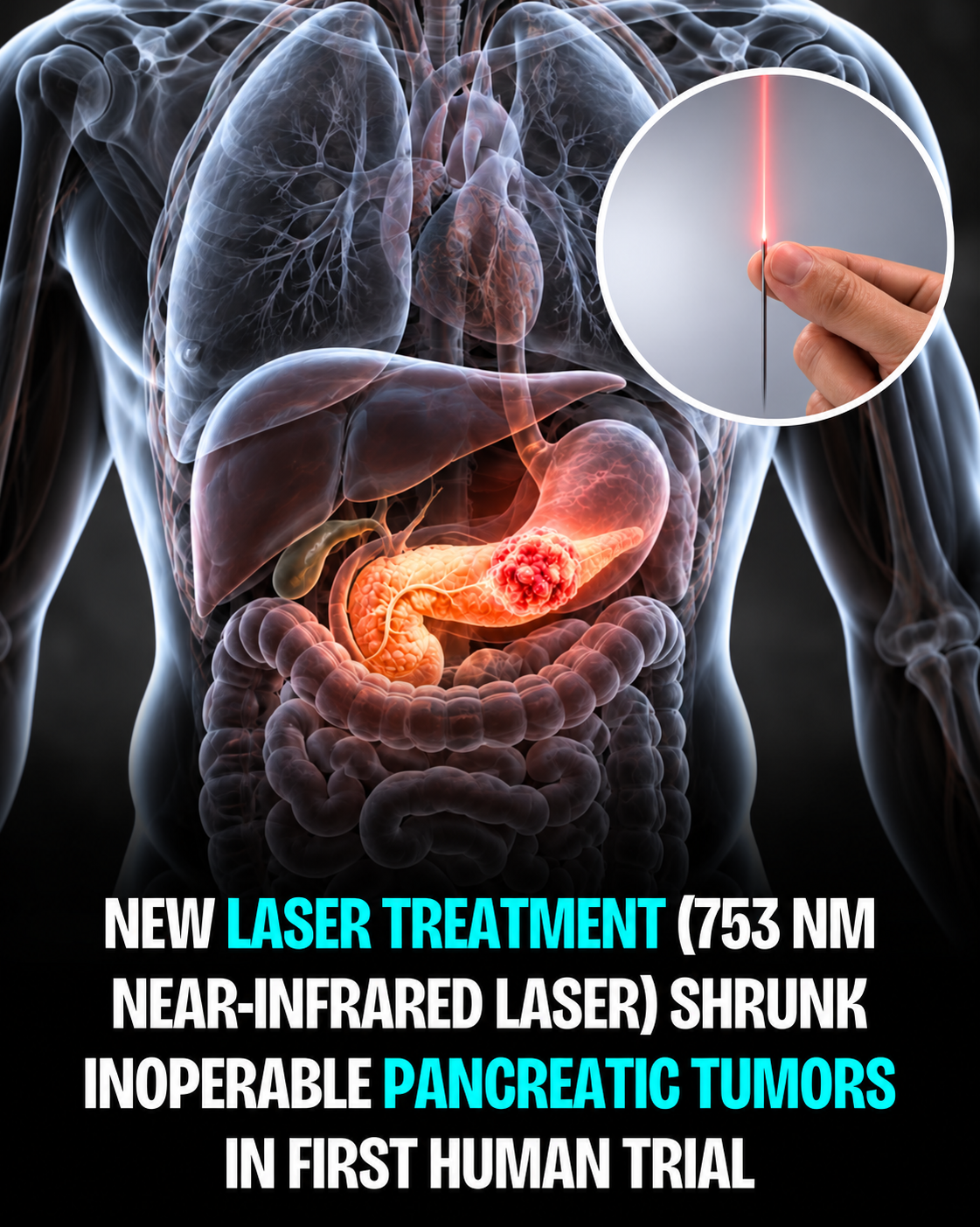
The procedure begins with an intravenous injection of padeliporfin. Following administration, the patient is placed under imaging guidance to accurately position a small balloon catheter embedded with the 753 nm laser inside the artery adjacent to the tumor.
The laser is activated to deliver light in two sessions of five minutes each, spaced closely together. This light exposure activates the drug locally, causing targeted damage to the tumor’s blood supply. After completing the laser treatment, the balloon catheter is removed.
Patients must then spend approximately three days in a darkened environment to avoid light exposure, as padeliporfin temporarily increases sensitivity to light and can cause skin reactions if exposed.
About two weeks after the treatment, doctors evaluate the tumor to determine if surgery is feasible. This waiting period allows time for the tumor tissue around the artery to be damaged and for any inflammation to subside before attempting tumor removal.
When to See a Doctor
If you have been diagnosed with pancreatic cancer or are experiencing symptoms such as unexplained weight loss, abdominal pain, or jaundice, consult your healthcare provider promptly. Discuss whether emerging treatments like this experimental laser therapy might be appropriate for your condition.
Any new therapy should be considered carefully with your medical team, especially one involving photosensitizing drugs that require strict post-treatment precautions.
Conclusion
This novel near-infrared laser treatment with padeliporfin offers a promising option to potentially convert some inoperable pancreatic tumors into operable ones. While early results are encouraging, larger studies with more patients and longer follow-up are necessary to confirm safety and effectiveness.
For now, this approach remains experimental and should only be pursued under clinical trial conditions with specialist oversight.
Disclaimer: This article provides information about an experimental treatment and is not a substitute for professional medical advice. Always consult your healthcare provider regarding diagnosis and treatment options.






