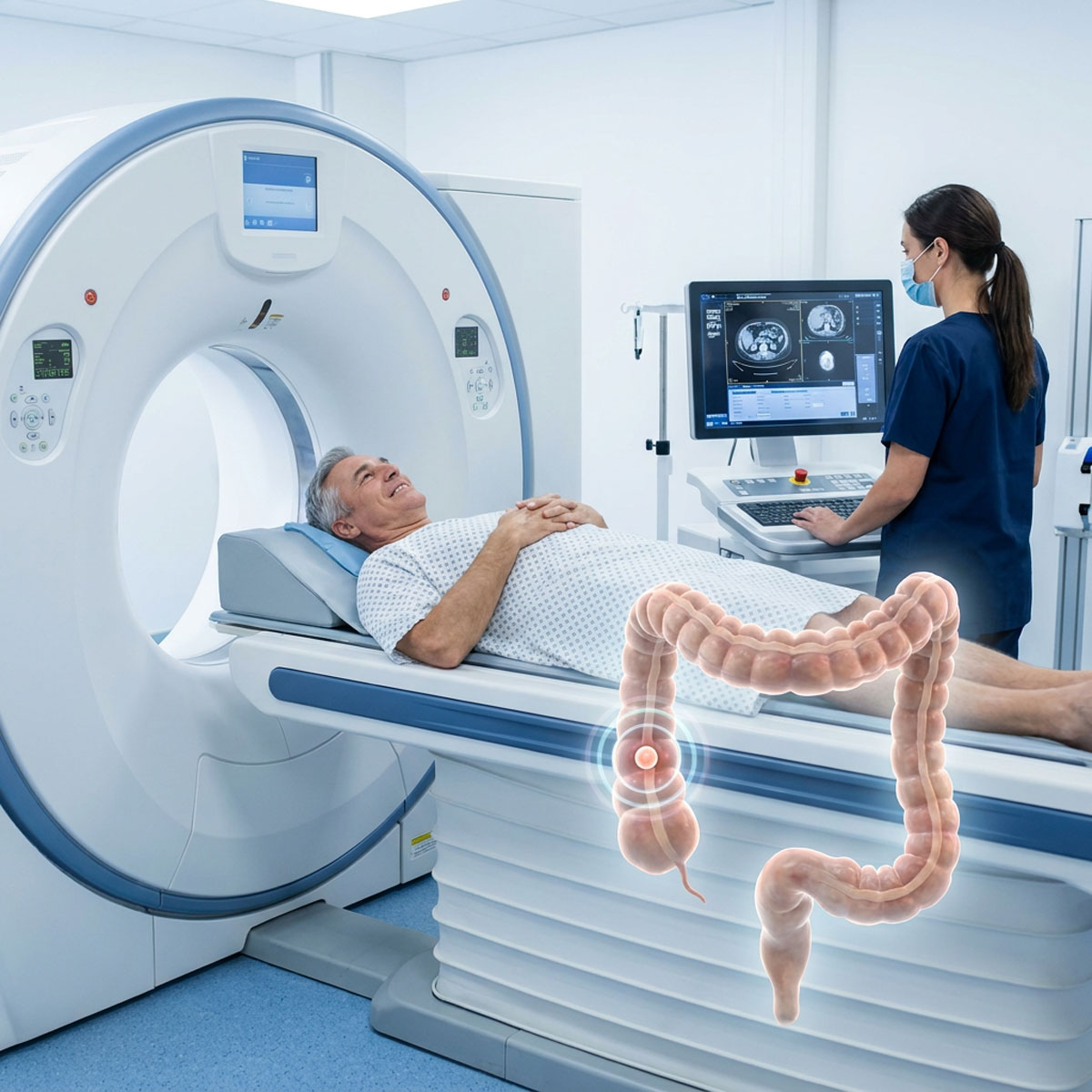
9. Who Should Choose Virtual Colonoscopy?
Virtual colonoscopy may be particularly suitable for individuals who:
- Have medical conditions that increase the risks associated with sedation or invasive procedures.
- Experience anxiety or discomfort that has previously led to avoidance of traditional colonoscopy.
- Have had incomplete or unsuccessful traditional colonoscopy examinations.
- Prefer a quicker procedure with minimal recovery time.
- Require colorectal cancer screening but face logistical or health barriers to standard colonoscopy.
Deciding on the best screening method should always involve a discussion with a healthcare professional who can consider personal risk factors, medical history, and patient preferences.
10. When Traditional Colonoscopy Is Still Needed
Traditional colonoscopy remains the preferred method in several scenarios, including:
- Presence of symptoms such as rectal bleeding, unexplained weight loss, or changes in bowel habits requiring direct examination.
- History of colorectal polyps or colorectal cancer necessitating surveillance and potential removal of new growths.
- Inflammatory bowel diseases like ulcerative colitis or Crohn’s disease that require direct mucosal assessment.
- Strong family history of colorectal cancer or genetic syndromes increasing risk.
- Abnormal findings on a virtual colonoscopy that must be further evaluated or treated.
Since therapeutic interventions can be performed immediately during traditional colonoscopy, it often prevents the need for additional procedures.
When to See a Doctor
If you are approaching the recommended age for colorectal cancer screening or have risk factors such as family history or symptoms like persistent abdominal pain, rectal bleeding, or changes in bowel habits, consult your healthcare provider promptly. Early evaluation and appropriate screening can significantly improve outcomes.
Discuss your concerns about invasive procedures and sedation openly with your provider to identify the most suitable screening approach for you.
Conclusion
Virtual colonoscopy represents a significant advancement in colorectal cancer screening by offering a less invasive, quicker alternative to traditional colonoscopy that may improve screening adherence for some individuals. However, it does not completely replace the need for traditional colonoscopy, especially when intervention or biopsy is required.
The most important step is to get screened using the method best aligned with your health needs and preferences. Early detection and removal of precancerous polyps remain the cornerstone of preventing colorectal cancer and improving survival.
This article provides general information and is not a substitute for professional medical advice. Always consult your healthcare provider for personalized recommendations.






