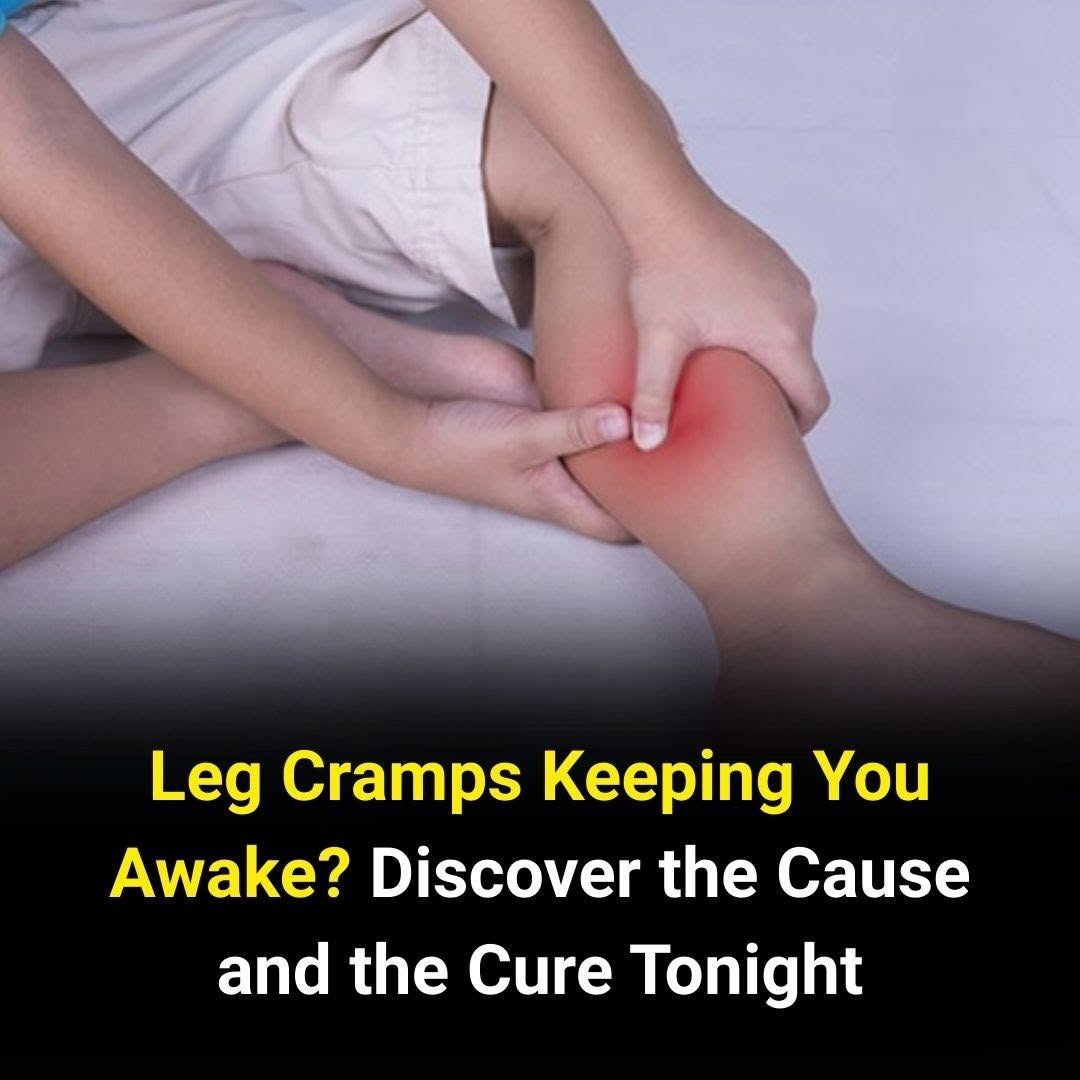
9. Heat, Ice, and Massage Therapies
Applying heat to cramping muscles relaxes tight fibers and increases blood flow, which helps relieve spasms. Warm baths, heating pads, or warm towels applied to the affected area can provide immediate comfort. Heat is especially useful before stretching or physical activity.
Conversely, ice therapy can reduce inflammation and numb pain after intense muscle cramps or injury. Some people find alternating heat and ice effective for managing chronic cramping issues.
Massage stimulates circulation and loosens tight muscles. Gently massaging the cramped muscle or using foam rollers can enhance recovery and reduce the frequency of cramps over time.
- Use heat therapy for 15-20 minutes before stretching or bedtime
- Apply ice packs for 10-15 minutes if inflammation is suspected
- Massage the entire muscle group, focusing on tight spots
- Always avoid direct ice contact with skin to prevent frostbite
10. When to Seek Medical Advice
While most nighttime leg cramps are benign and manageable with lifestyle changes, persistent, severe, or worsening cramps should prompt medical evaluation. Seek professional care if cramps:
- Occur frequently and disrupt sleep regularly
- Are accompanied by swelling, redness, or skin color changes
- Cause muscle weakness or numbness
- Do not improve with hydration, stretching, and dietary adjustments
- Are associated with underlying health conditions like diabetes or vascular disease
A healthcare provider may perform physical exams, blood tests, or imaging studies such as Doppler ultrasound or nerve conduction studies to identify underlying causes. Early diagnosis allows for targeted treatments that can improve quality of life and reduce complications.
Conclusion: Nighttime leg cramps can stem from multiple factors including dehydration, muscle fatigue, circulation problems, nerve compression, mineral deficiencies, and medication effects. Addressing these through hydration, stretching, diet, and appropriate therapies often reduces their occurrence. However, persistent or severe cramping warrants medical assessment to exclude serious conditions.
Disclaimer: This article is for informational purposes only and does not substitute professional medical advice. Consult your healthcare provider for diagnosis and treatment of leg cramps or related symptoms.