1. Electrical Safety Benefits
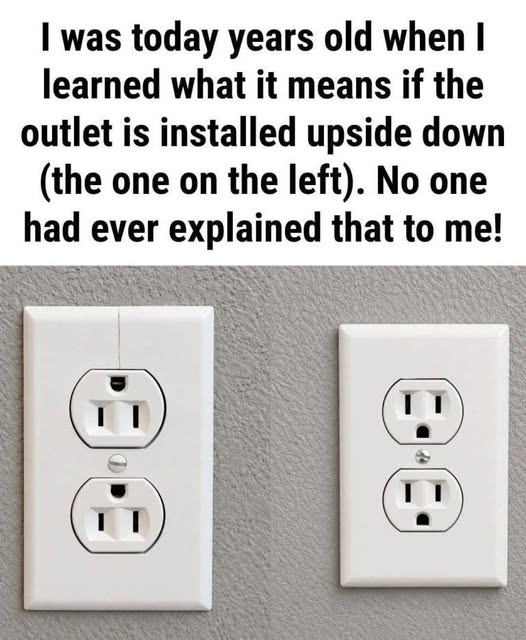
One of the primary reasons electricians sometimes install outlets with the grounding pin at the top is to enhance electrical safety. When a plug is only partially inserted, there exists a risk that conductive objects—like metal tools, paperclips, or jewelry—can slip between the prongs and cause a short circuit or electrical shock.
By positioning the grounding hole upward, the grounded pin engages first when plugging in devices. This setup ensures that if a conductive object falls downward along the plug, it is more likely to contact the grounding pin before reaching the live or neutral blades, reducing the risk of electrical hazards.
Although this orientation doesn’t completely eliminate all risks, it is regarded by many professionals as an additional protective measure, particularly in environments where electrical safety is critical.
- Reduces risk of accidental shorts from partially inserted plugs
- Provides an early grounding contact point
- Helps prevent electrical shock from conductive debris
2. Hospital Outlet Usage
Hospitals are environments where electrical reliability and safety are paramount. Medical devices are frequently plugged in and unplugged, sometimes in urgent situations, so every detail of electrical infrastructure is carefully considered.
Many healthcare facilities intentionally install outlets with the grounding pin on top. This orientation helps minimize the chance that a conductive object might bridge energized plug blades if a plug is partially withdrawn. Given the life-critical nature of medical equipment, even marginal safety improvements are significant.
While local electrical codes might not mandate this practice, it has become a widespread convention in hospitals and other medical settings due to its safety benefits.