6. Switched Outlet Identification
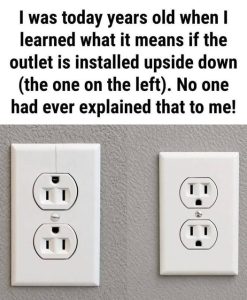
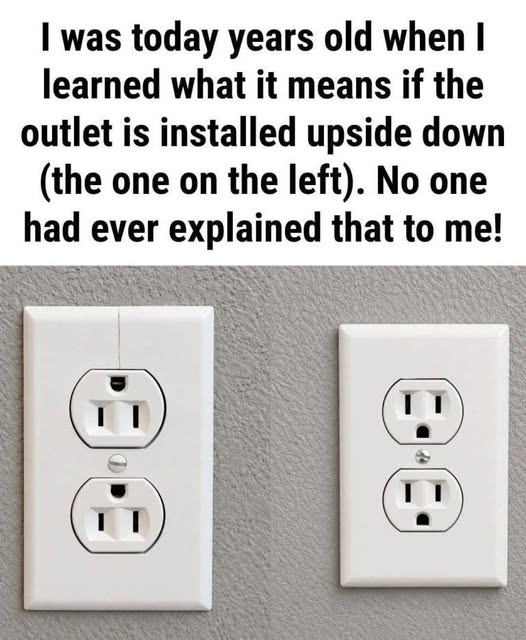
In some homes, half of a duplex outlet is connected to a wall switch, allowing convenient control of lamps or other devices without unplugging them. To help distinguish these switched outlets, some electricians install them upside down, with the grounding pin on top.
This practice provides a visual cue for residents and maintenance personnel, indicating that the outlet is controlled by a switch without needing to open the electrical box or perform circuit testing.
While not a universal standard, this method can be a practical shortcut for identifying switched outlets during troubleshooting or remodeling.
7. Sideways Outlet Installations
Outlets are not always installed vertically. In kitchens, workstations, conference rooms, or furniture-mounted power centers, horizontal or sideways outlet orientations are common. This choice usually depends on space constraints, manufacturer guidelines, or aesthetics.
Electrical performance and safety remain consistent regardless of whether an outlet is vertical or horizontal. The orientation in these cases is driven by convenience and spatial design rather than electrical code.
8. Role of Grounding Pin
The grounding pin is a critical safety feature in modern electrical outlets. It connects appliances and devices to the building’s grounding system, providing a low-resistance path for fault currents.
This grounding path prevents exposed metal parts from becoming energized if an internal fault occurs, significantly reducing the risk of electric shock. Removing or bypassing the grounding pin compromises safety and is strongly discouraged.
If your home still contains ungrounded two-prong outlets, the safest approach is to have a licensed electrician evaluate and upgrade the wiring to include proper grounding.