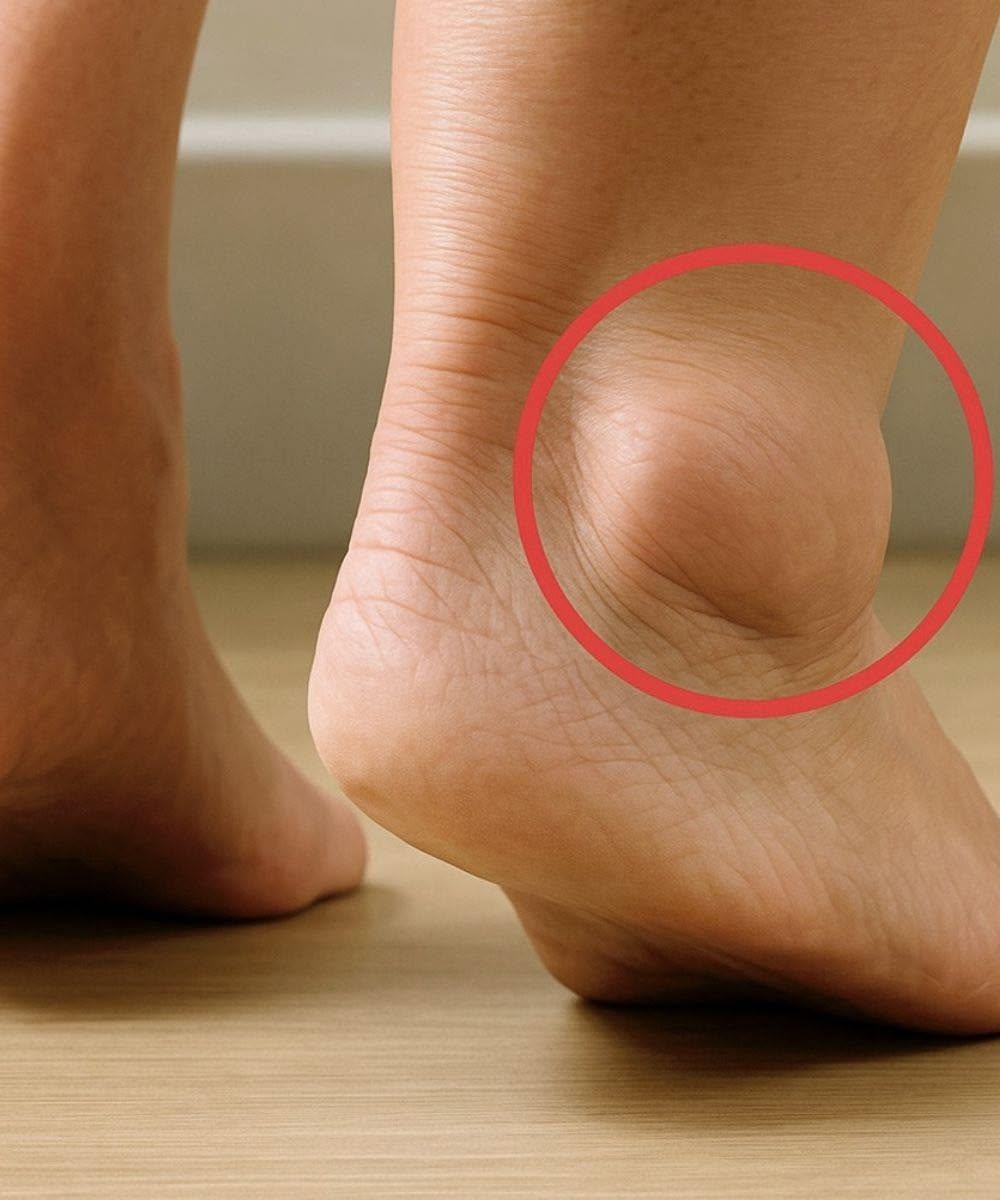
3. Medication Side Effects
Several medications commonly prescribed to older adults can cause fluid retention leading to swollen feet. Drugs such as calcium channel blockers used for hypertension, nonsteroidal anti-inflammatory drugs (NSAIDs), corticosteroids, and certain diabetes medications may impair the kidneys’ ability to eliminate salt and water, resulting in edema.
If swelling develops after starting a new medication, it is important to discuss this with the prescribing physician. They can evaluate whether the medication might be contributing and consider alternatives or dosage adjustments. Patients should never stop or alter prescribed medications without professional guidance.
Monitoring for swelling is particularly important when multiple medications are used concurrently, as combined effects can increase the risk.
- Report new or worsening swelling to your healthcare provider promptly
- Keep an updated list of all medications and supplements
- Attend regular follow-ups to monitor for side effects
4. Heart Disease Impact
Heart disease, especially congestive heart failure (CHF), can cause swelling in the feet and ankles due to the heart’s reduced ability to pump blood effectively. When the heart’s pumping function decreases, blood backs up in the veins, increasing pressure and causing fluid to leak into surrounding tissues.
Swelling from heart failure often affects both feet and legs symmetrically and may be accompanied by other symptoms such as shortness of breath, fatigue, and rapid weight gain from fluid retention. Timely diagnosis and management of heart disease are critical to controlling edema and preventing complications.
Treatment may include medications such as diuretics to reduce fluid overload, lifestyle modifications, and close cardiac monitoring.
- Recognize symptoms like bilateral leg swelling and breathlessness
- Follow prescribed heart failure treatment plans diligently
- Report sudden increases in swelling or new symptoms immediately
5. Kidney and Liver Conditions
Kidney and liver diseases disrupt the body’s fluid balance, often leading to swelling in the lower extremities. Kidney dysfunction impairs the filtration and excretion of excess fluid, while liver disease can reduce the production of proteins that maintain fluid within blood vessels, causing leakage into tissues.
Swelling related to these conditions is typically persistent and may be accompanied by other signs such as fatigue, changes in urine output, jaundice, or abdominal swelling. Blood tests and imaging studies are essential for diagnosis.
Managing these underlying conditions with specialist care can help reduce edema and improve overall health.
- Adhere to treatment regimens for liver or kidney disease
- Monitor for changes in swelling or other systemic symptoms
- Maintain regular medical evaluations to adjust care as needed






