Mold removal method
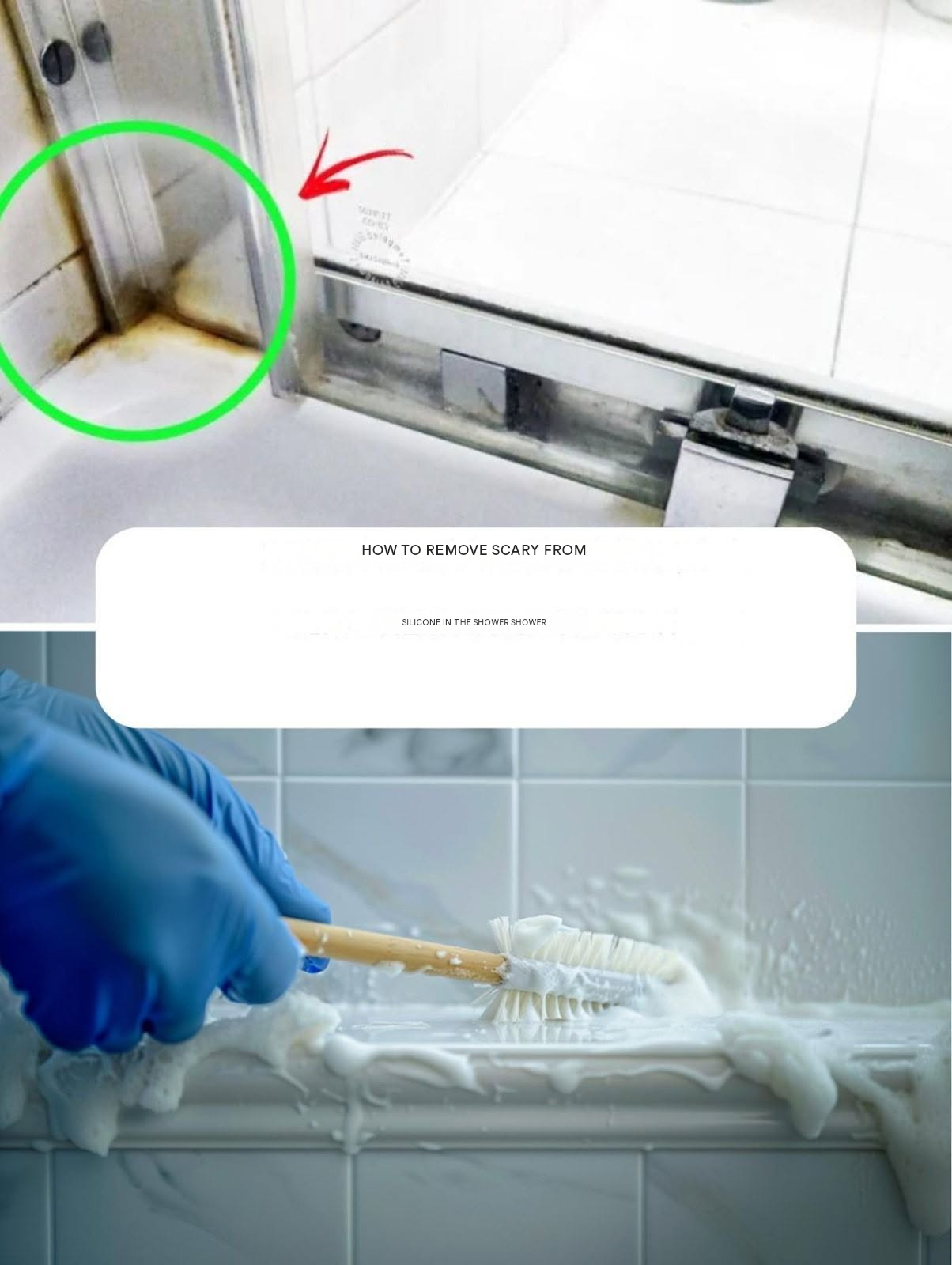
To effectively remove mold from silicone sealant in your shower, mix hot water, white vinegar, and baking soda in specific proportions. Combine one-quarter hot water with three-quarters white vinegar and add two tablespoons of baking soda. Shake the mixture well in a bottle to ensure it is evenly blended.
Apply this solution directly onto the moldy areas of the silicone sealant. Allow it to sit for about 30 minutes to break down the mold. Afterward, use a toothbrush to scrub the mold spots gently but thoroughly, helping to lift the mold from the silicone surface.
Finally, rinse the treated areas with hot water and dry completely with a clean cloth. This process not only removes existing mold but also helps restore the appearance of the silicone sealant.
What to avoid
Avoid using harsh chemical cleaners or bleach on silicone sealants, as these substances can degrade or discolor the material. Do not mix vinegar with bleach or other strong chemicals, as this can create toxic fumes. Also, steer clear of abrasive tools or brushes that might damage the silicone surface.
Handling it safely
Wear gloves and eye protection when handling cleaning solutions, especially if you have sensitive skin or eyes. Work in a well-ventilated area to avoid inhaling any strong odors. Keep cleaning products out of reach of children and pets to prevent accidental exposure.
When to seek professional help
If mold keeps returning despite regular cleaning or if the silicone sealant is cracked, peeling, or extensively damaged, it may be time to consult a professional. They can assess whether the sealant needs to be replaced to prevent further mold growth and maintain your shower’s integrity.
Conclusion
Using a mixture of hot water, white vinegar, and baking soda offers an efficient way to remove mold from silicone sealants in your shower. This method tackles mold without harsh chemicals that could damage surfaces. Maintaining a dry and cleaned shower environment after use is key to preventing mold from returning. When mold problems persist or sealant damage is evident, professional intervention ensures a lasting solution.