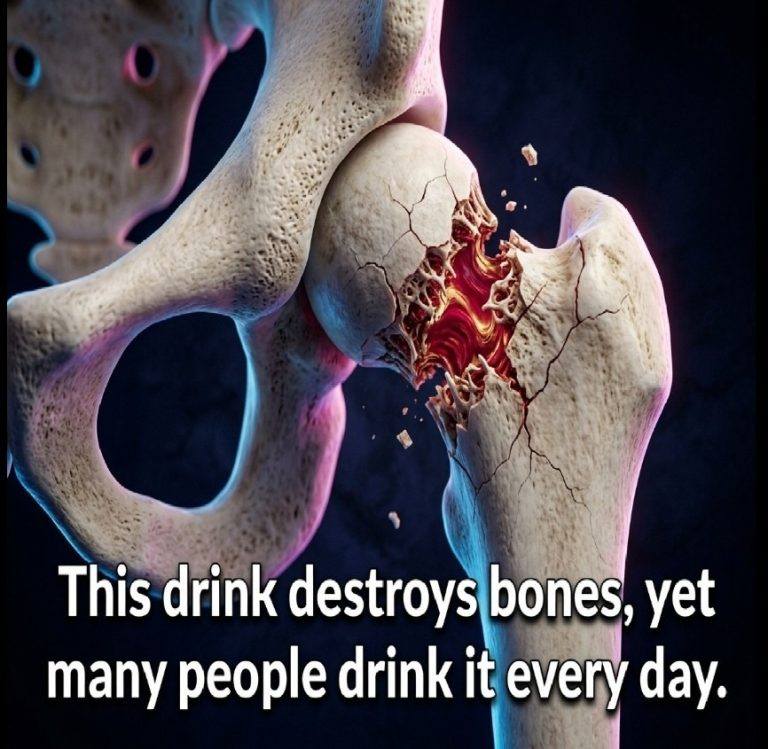
1. Carbonated Drinks
Carbonated drinks, especially colas, contain phosphoric acid and often high levels of added sugars. Phosphoric acid can disrupt the balance of calcium and phosphorus in the body, potentially leading to decreased calcium availability for bone maintenance. Over time, this may contribute to lower bone mineral density and increase the risk of osteoporosis.
Additionally, frequent consumption of these beverages can displace healthier options such as milk or calcium-fortified drinks, further reducing calcium intake. This cumulative effect weakens bone structure gradually and may not show symptoms until fractures or bone loss become pronounced.
- Limit intake of cola and other phosphoric acid-containing sodas.
- Prioritize water, milk, or fortified plant-based beverages to support bone health.
- Ensure adequate dietary calcium and vitamin D to counterbalance potential losses.
2. Excessive Coffee Consumption
While moderate coffee consumption is generally safe and may even offer some health benefits, excessive intake—commonly defined as more than 4 cups per day—can interfere with calcium absorption in the intestines. Caffeine increases calcium excretion through urine, which may lead to a negative calcium balance if dietary intake is insufficient.
For individuals at risk of osteoporosis or with existing bone density issues, this effect can accelerate bone loss. Maintaining a balanced diet rich in calcium and vitamin D is essential to offset these effects when consuming coffee regularly.
- Limit coffee intake to moderate levels to minimize calcium loss.
- Combine coffee with meals or calcium-rich snacks to support absorption.
- Consider bone density testing if concerned about long-term effects.
3. Energy Drinks
Energy drinks typically contain high caffeine concentrations, sugar, and various additives such as taurine and guarana. The elevated caffeine content can exacerbate calcium loss, similar to excessive coffee consumption, but often to a greater extent due to the larger doses per serving.
Moreover, the high sugar content and stimulants can impact hydration status and overall mineral balance, which are critical for bone remodeling and repair. Regular consumption may impair nutrient absorption and bone metabolism, increasing the risk of bone fragility.
- Avoid frequent energy drink consumption to protect bone and general health.
- Opt for hydrating beverages like water or herbal teas instead.
- Monitor caffeine intake from all sources to stay within recommended limits.