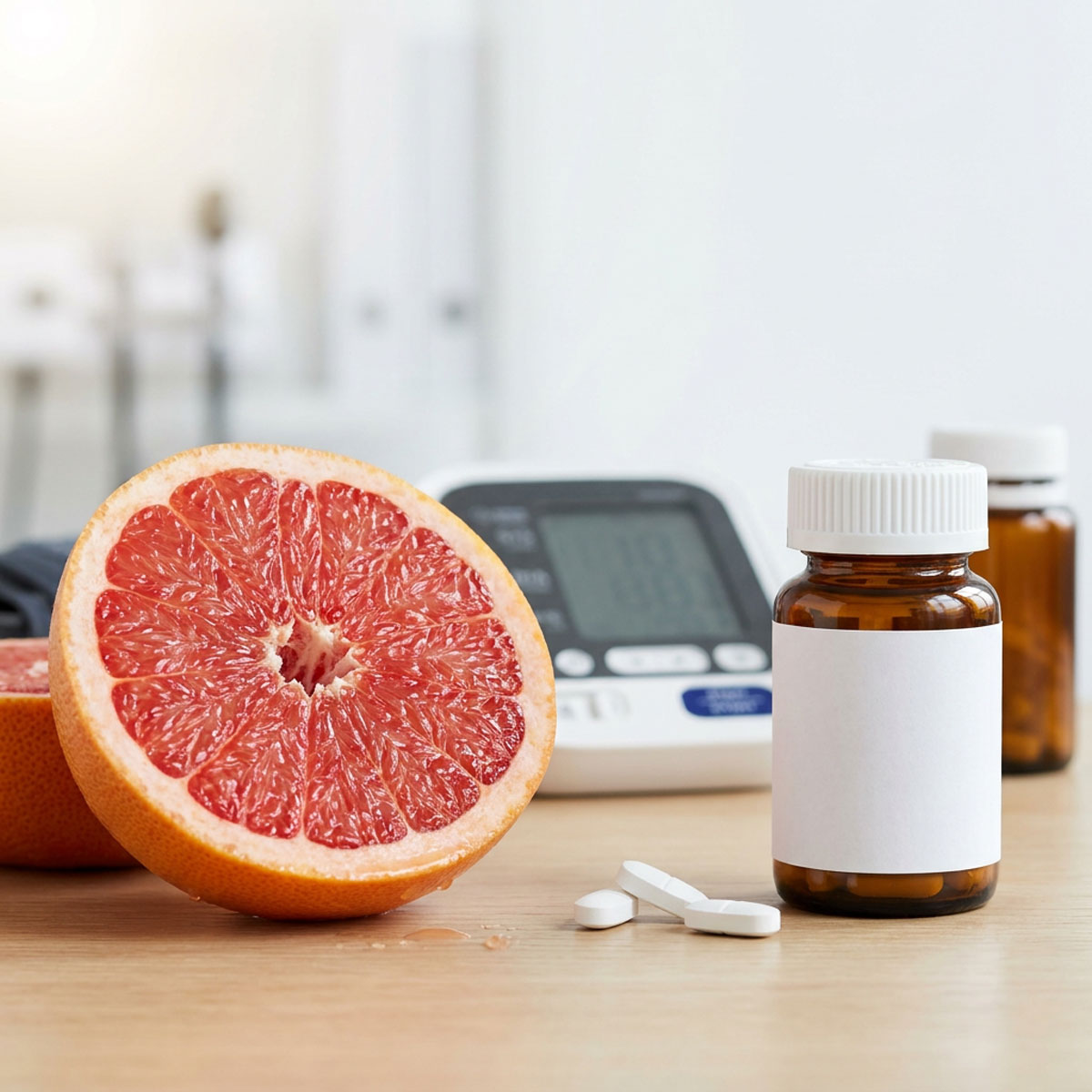
9. Immunosuppressants and grapefruit
Immunosuppressant drugs are critical for patients with organ transplants or autoimmune diseases to prevent rejection or control immune activity. Medications like cyclosporine, tacrolimus, and sirolimus require stable blood concentrations to be effective and safe.
Grapefruit can inhibit the metabolism of these drugs, causing blood levels to rise unpredictably. Elevated levels increase the risk of toxicity, which can affect kidney function and cause other serious complications.
Because of the narrow therapeutic window of immunosuppressants, healthcare providers usually advise patients to avoid grapefruit entirely to maintain stable drug levels.
10. Other citrus fruits to watch
Grapefruit is not the only citrus fruit that can affect medications. Several related fruits contain similar compounds that inhibit CYP3A4, including:
- Seville oranges (bitter oranges)
- Marmalade made from Seville oranges
- Pomelo
- Tangelo
These fruits can produce interactions similar to grapefruit. In contrast, ordinary sweet oranges, lemons, and limes generally do not have this effect and are considered safe choices for most patients on interacting medications.
Practical Guidance: When to Speak With Your Doctor
If you take any medication known or suspected to interact with grapefruit, it is essential to consult your healthcare provider or pharmacist before consuming grapefruit or related citrus fruits. Never stop or alter your medication without professional advice.
Contact your doctor promptly if you experience any of the following symptoms, which may indicate an adverse reaction related to medication and grapefruit interaction:
- Unexplained muscle pain or weakness
- Dizziness, lightheadedness, or fainting
- Unusual bruising or bleeding
- Rapid, irregular, or racing heartbeat
Conclusion
Grapefruit is a nutritious fruit but can significantly alter the metabolism of certain medications by inhibiting the CYP3A4 enzyme in the small intestine. This interaction can lead to increased or decreased drug levels, potentially affecting treatment safety and effectiveness.
Because the effect depends on the specific medication rather than the drug class alone, personalized advice from your pharmacist or healthcare provider is crucial. A simple conversation about your exact prescriptions can prevent harmful interactions and ensure your treatment remains safe and effective.
Disclaimer
This article provides general information and does not replace professional medical advice. Always consult your healthcare provider or pharmacist regarding medication and dietary questions.