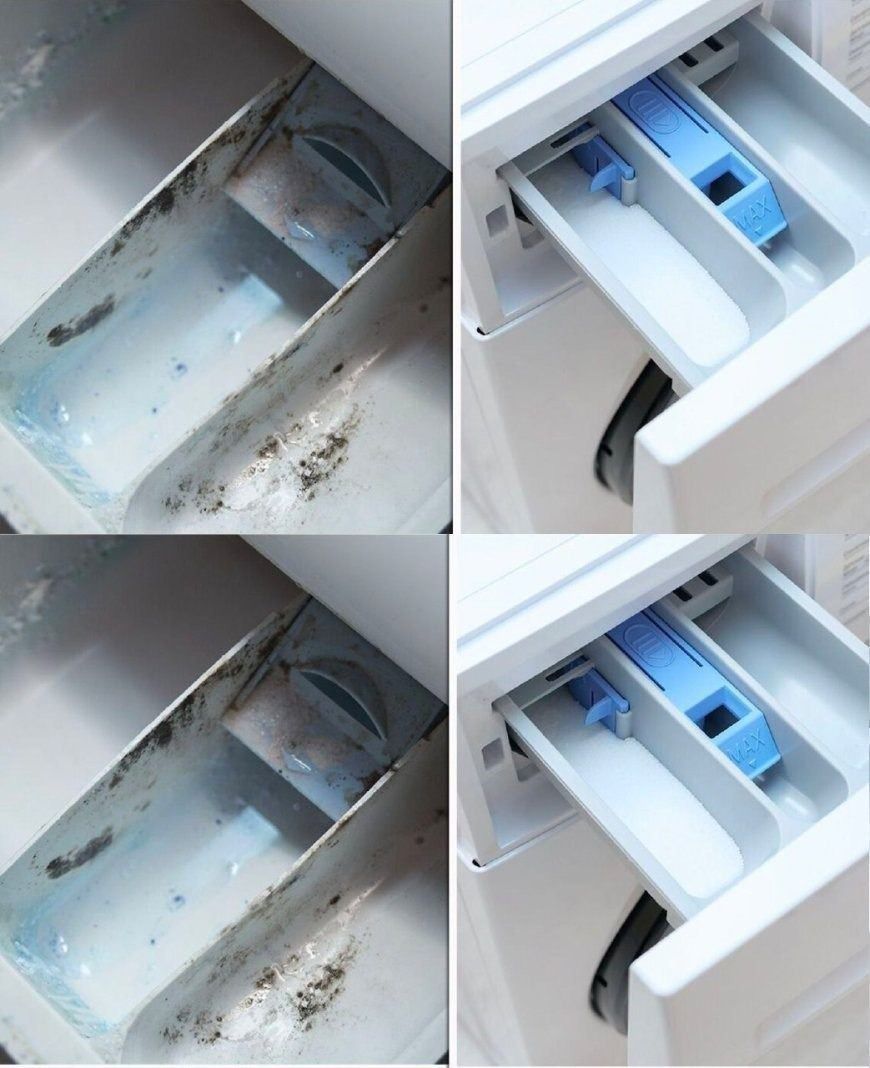
6. Run high-temp drain cycle
After reassembling the cleaned detergent drawer, it’s essential to run a high-temperature drain cycle to disinfect the washing machine and flush out any loosened residues. Set your machine to a drain or rinse cycle at 90°C or the hottest setting available.
This high-temperature cycle kills bacteria and mold spores inside the drum and detergent compartments. It also helps remove lingering detergent traces and odors that could compromise your laundry’s cleanliness.
Adding 1 liter of white vinegar directly into the drum before running the cycle enhances disinfecting and deodorizing effects. Repeat this deep cleaning cycle twice a year or more frequently if you notice persistent odors or residue build-up.
7. Use white vinegar for odor
White vinegar is a natural deodorizer and mild disinfectant that can neutralize musty smells caused by mold and detergent residues. After cleaning, wipe down the drum, door seal, and detergent drawer area with a cloth dampened in white vinegar.
This step freshens the interior and prevents odor recurrence. Vinegar also helps dissolve mineral deposits from hard water that accumulate over time. Avoid using vinegar on rubber seals too frequently or in large quantities, as excessive acidity may degrade rubber components.
8. Dry drum and leave door open
To prevent mold and mildew growth, it is crucial to dry the washing machine drum and internal seals thoroughly after each use. Leaving the door open for several hours after finishing laundry allows air to circulate and moisture to evaporate.
Moist environments inside the drum and gasket are prime breeding grounds for bacteria and mold, leading to unpleasant odors and potential allergic reactions. Wiping the door seal and drum with a dry cloth after use further reduces dampness.
Regularly leaving the door open is a simple yet effective habit to maintain a fresh-smelling washing machine and prolong its lifespan.






