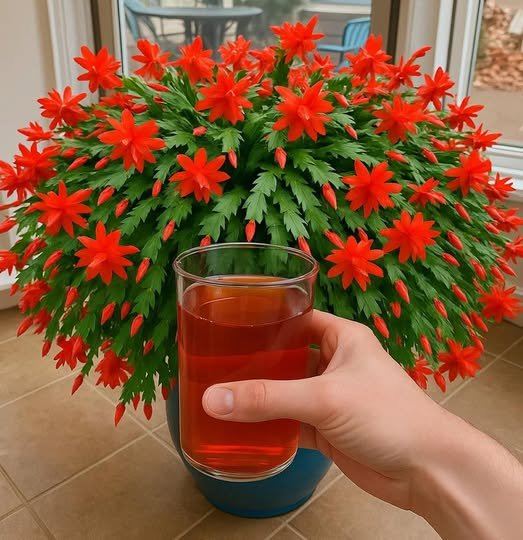
3. Temperature control
Christmas cactus performs best within a temperature range of 60°F to 70°F (15°C to 21°C). Temperatures outside this range can hinder blooming or cause the plant to drop buds prematurely.
During the flowering phase in fall, cooler night temperatures between 50°F and 55°F (10°C to 13°C) encourage bud formation. Avoid exposing the plant to sudden temperature fluctuations or drafts from heating vents, air conditioners, and open windows, which can stress the plant and reduce flower production.
- Maintain steady daytime temperatures to support healthy growth.
- Provide cooler nights in fall to stimulate bud development.
- Keep the plant away from heaters, radiators, and drafty areas.
4. Humidity levels
Christmas cactus naturally grows in humid environments and benefits from moderate to high humidity indoors. Dry air, especially during winter when heating systems run, can cause leaf shriveling and poor flower quality.
Increase humidity by placing a shallow tray filled with water and pebbles beneath the pot. As the water evaporates, it raises the moisture level around the plant without saturating the roots. Misting the plant occasionally can also help, but avoid wetting the flowers to prevent fungal issues.
- Ideal relative humidity is between 40% and 60%.
- Use a room humidifier if indoor air is very dry.
- Ensure good air circulation to prevent mold growth.
5. Soil composition
Well-draining soil is essential to prevent root rot and provide adequate aeration. Christmas cactus prefers a light, porous mix that retains some moisture but allows excess water to drain quickly.
A recommended soil mixture includes equal parts potting soil, coarse sand, and organic compost. This blend mimics the plant’s native epiphytic growing conditions and supports healthy root development.
- Avoid heavy garden soil or dense mixtures that retain too much water.
- Use pots with drainage holes to facilitate excess water escape.
- Repot every 2-3 years to refresh soil and prevent compaction.






