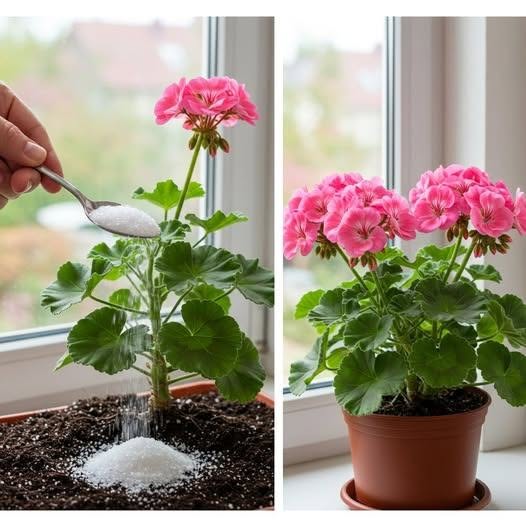
9. Soil type and repotting
Geraniums prefer well-draining, moderately fertile soils. Clay soils can be improved by mixing in organic matter such as compost or peat moss to enhance aeration and drainage. Commercial potting mixes formulated for flowering plants also provide balanced nutrition and good moisture retention.
Repotting is recommended in late winter or early spring, just before the active growing season. This timing allows for root inspection and replacement of old soil, which may have depleted nutrients or harbored pathogens. Gently remove old soil from roots and trim any damaged roots before replanting.
10. Winter watering adjustments
During winter, geraniums enter a semi-dormant state and require significantly less water. Overwatering at this stage can lead to root rot. Water sparingly, only when the topsoil feels dry to the touch, and avoid watering leaves to prevent fungal growth.
Keep geraniums in bright, frost-free locations during colder months. If temperatures drop below 10°C, consider insulating pots or moving plants indoors to protect roots from cold damage.
When to See a Doctor
While caring for geraniums is straightforward, persistent plant health problems such as unexplained wilting, discoloration, or root decay may indicate underlying issues like pest infestations or disease. Consulting a professional horticulturist or a local extension service can provide targeted solutions and prevent plant loss.
Conclusion
Consistent and well-managed watering is key to maintaining geraniums that are lush and full of flowers. By adjusting watering frequency to the season, ensuring water quality and temperature, managing soil moisture carefully, and providing proper pot size and light conditions, you support strong growth and abundant blooms. Remember to avoid overwatering and protect roots from waterlogging to prevent common problems.
With these practices, your geraniums will thrive, rewarding you with vibrant flowers and healthy foliage year-round.
Disclaimer: This article provides general horticultural advice. For specific plant health issues, consult a professional horticulturist or gardening expert.