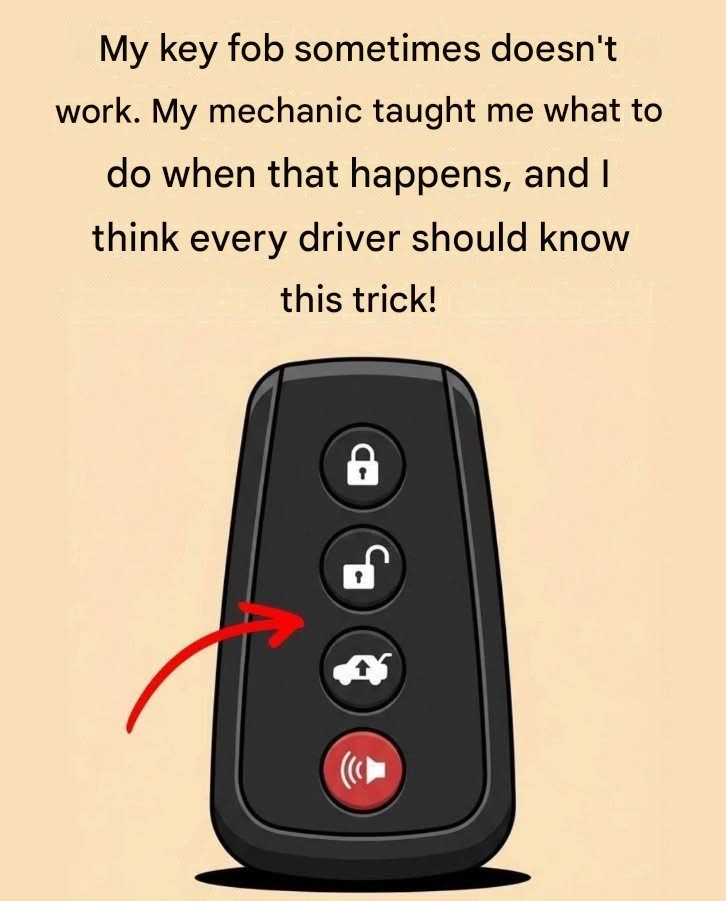
1. Check the key fob battery
The most common reason a key fob stops working is a dead or weak battery. Key fobs use small coin-cell batteries, typically CR2032 or CR2025 types, which gradually lose charge over time. When the battery voltage drops below a certain threshold, the fob’s transmitter cannot send a strong enough signal to communicate with your vehicle.
To check and replace the battery, locate the small seam or screw on the fob casing and carefully open it with a flat tool. Remove the old battery and note its model number, then replace it with a fresh one purchased from a hardware store or electronics supplier. Be careful not to damage the internal components or contacts during this process.
- Test the fob after battery replacement to ensure it works.
- Dispose of the old battery properly to prevent environmental harm.
- Consider replacing the battery annually as preventive maintenance.
Replacing the battery is a low-cost, quick fix that restores normal function in most cases. If problems persist after battery replacement, further troubleshooting is needed.
2. Use the physical backup key
Most modern key fobs include a physical mechanical key hidden inside the fob’s housing. This backup key is essential when the electronic functions fail completely. It allows you to manually unlock the driver’s door, bypassing the remote locking system.
Locate the release latch or button on the fob to slide out the mechanical key. Insert it into the door lock cylinder and turn to unlock. Keep in mind that starting the vehicle usually still requires the electronic fob or proximity sensor, but gaining entry is the first step to assessing the issue.
Store your backup key in a known, accessible place rather than leaving it hidden in the car or forgotten in a drawer. This simple tool can save you from lockouts and expensive locksmith calls.






