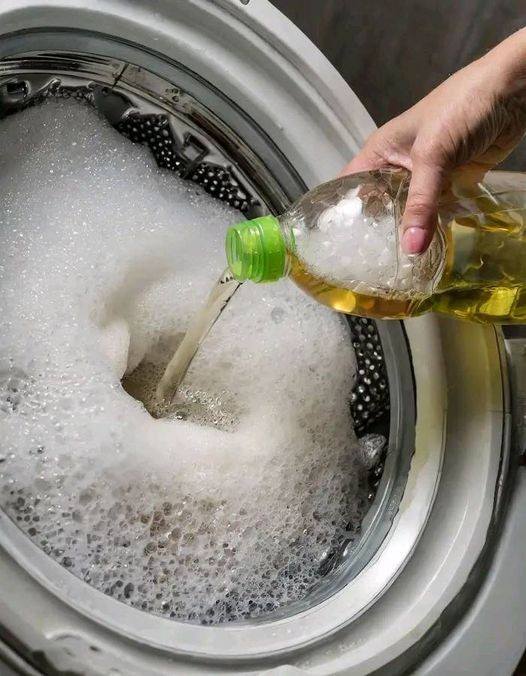
6. Washing machine maintenance
Regular use of vinegar can extend the life and performance of your washing machine by dissolving mineral deposits, soap scum, and biofilm buildup inside the drum and internal components. This reduces odors, improves rinse efficiency, and prevents mold growth.
For maintenance, run an empty hot-water cycle with 2 cups of white distilled vinegar once a month. This deep cleaning cycle helps keep the machine fresh and functioning optimally.
Be sure to follow your washing machine manufacturer’s guidelines, as some models may recommend specific maintenance products or procedures.
7. Avoiding vinegar and bleach mix
Never combine vinegar and chlorine bleach during laundry. Mixing these two substances creates toxic chlorine gas, which poses serious health risks including respiratory irritation and eye damage.
If you have used bleach, wait until the cycle is complete and the machine is drained before adding vinegar. Separate their use to ensure safety.
For brightening clothes, rely on vinegar in place of bleach or use oxygen-based bleach alternatives designed for safe fabric whitening.
8. Using vinegar with essential oils
Vinegar has a strong natural scent some find unpleasant. To add a subtle fragrance without chemical dyes or perfumes, incorporate a few drops of essential oils such as lavender, lemon, or eucalyptus into the vinegar before adding it to the rinse cycle.
Essential oils also offer mild antimicrobial properties and can enhance the deodorizing effect of vinegar. However, use oils sparingly to avoid residue buildup on fabrics or washing machine parts.
- Add 5-10 drops of your chosen essential oil per 1/2 cup vinegar.
- Mix well before pouring into the fabric softener compartment.
- Test on a small fabric patch if concerned about sensitivity.






