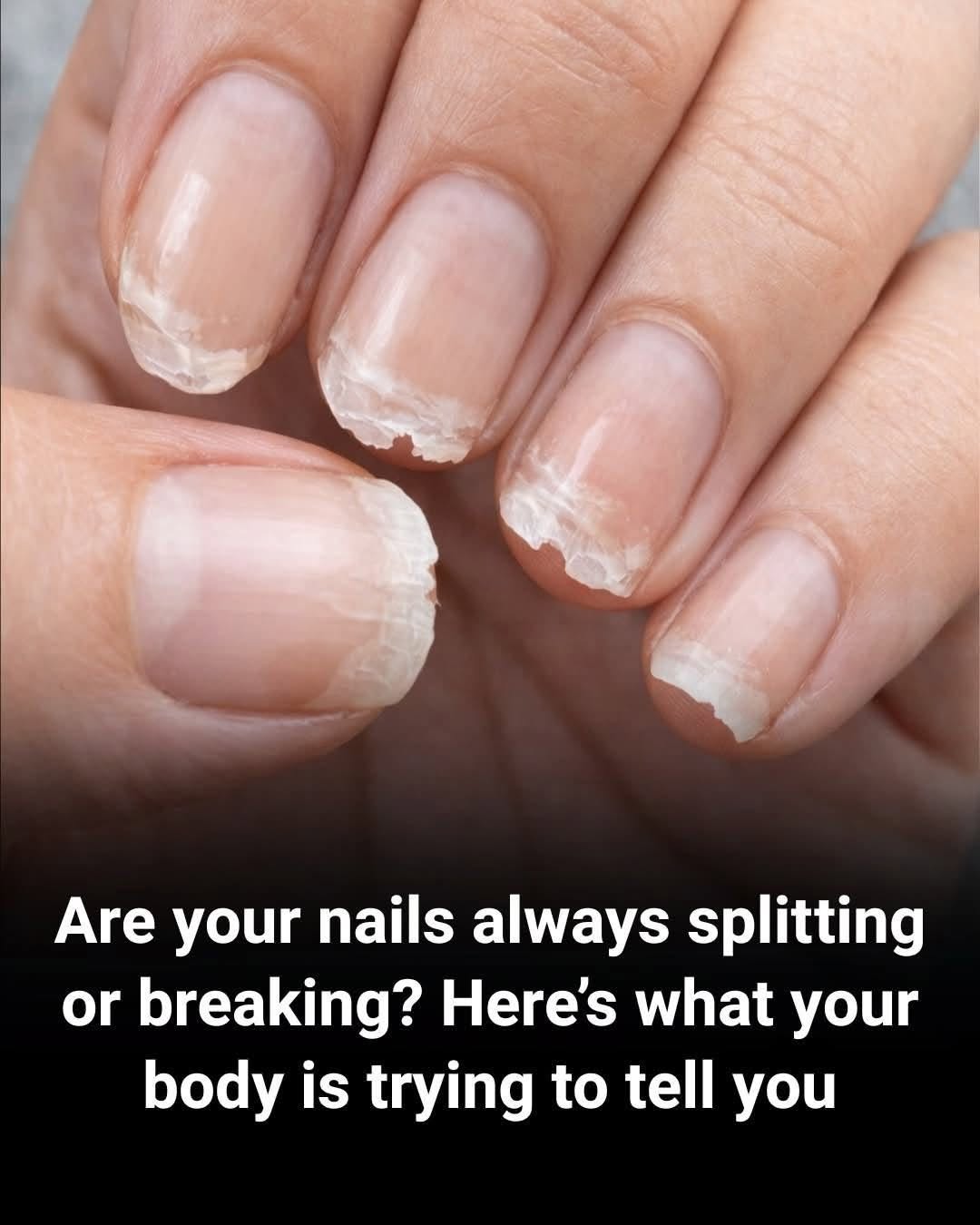
Using nails as tools to open containers or scrape objects places mechanical stress on them, causing splits or fractures. Incorporating regular application of hand creams or cuticle oils helps restore moisture and enhances nail resilience.
5. Underlying Medical Conditions
Persistent nail abnormalities can indicate systemic health issues. Conditions such as hypothyroidism, psoriasis, eczema, and peripheral vascular disease often manifest with nail changes including brittleness, ridging, discoloration, or thickening.
One particularly important condition to consider is iron-deficiency anemia, which, as noted, can cause brittle nails. Other nutrient deficiencies like zinc or calcium may also affect nail strength. Autoimmune diseases, including lupus and lichen planus, sometimes present with characteristic nail findings.
If you notice sudden or severe changes in your nails, or if they are accompanied by other symptoms like skin rashes or fatigue, it is essential to consult a healthcare provider. They can perform appropriate diagnostic tests to identify any underlying medical conditions contributing to nail fragility.