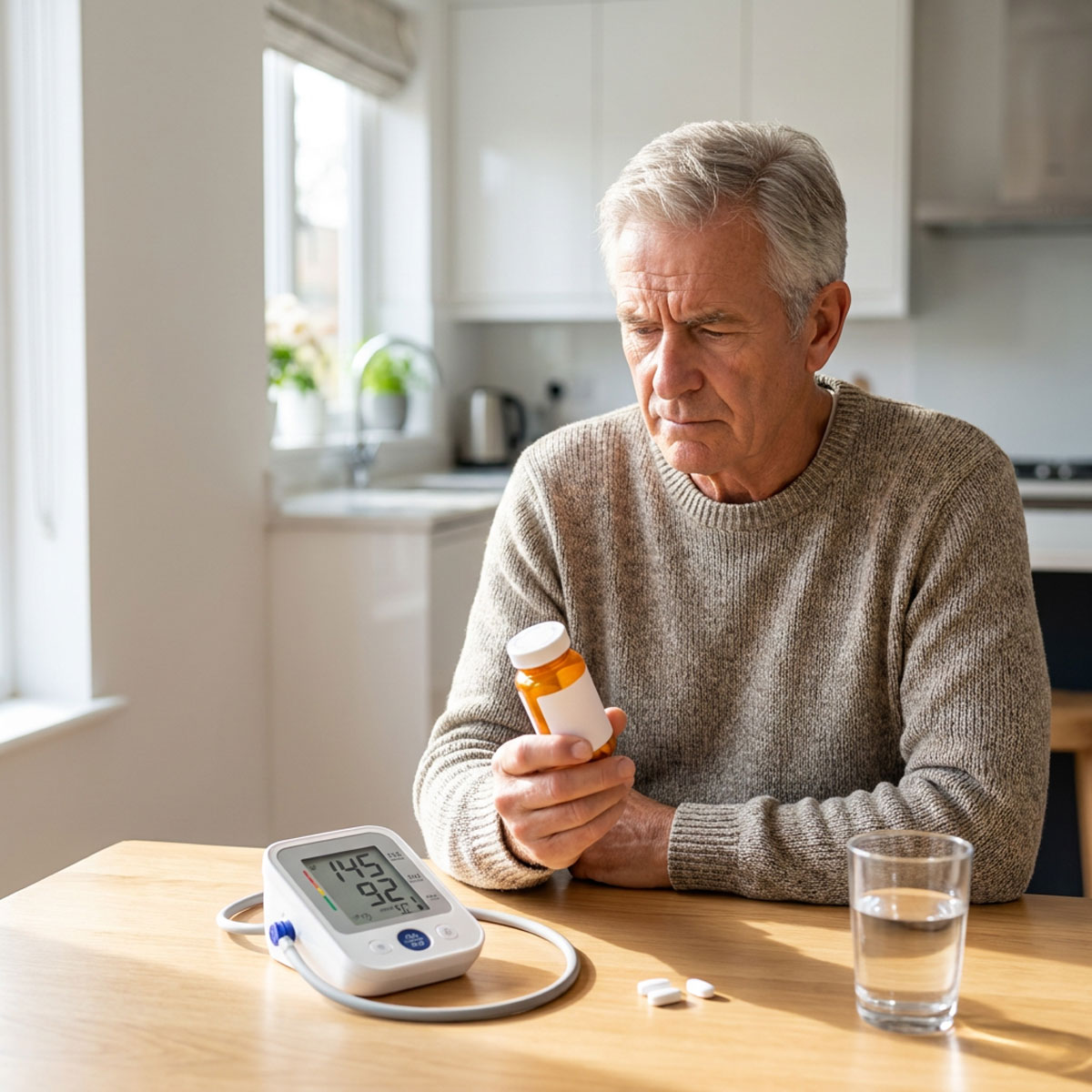
3. Risks of abrupt beta blocker withdrawal
Beta blockers, including metoprolol, atenolol, and propranolol, require particular caution when discontinuing. These medications block stress hormone effects on the heart, slowing heart rate and reducing blood pressure.
Over time, the body compensates by increasing beta receptor sensitivity or number to maintain balance. If beta blockers are stopped suddenly, these extra-sensitive receptors respond excessively to stress hormones, causing rapid heartbeats, palpitations, or chest discomfort.
Patients with coronary artery disease are especially vulnerable, as the heart’s oxygen demand spikes while blood supply may be limited. This mismatch can precipitate angina, arrhythmias, or even myocardial infarction in the days following abrupt withdrawal.
Because these risks are highest shortly after stopping beta blockers, healthcare providers emphasize tapering rather than sudden cessation to prevent serious cardiac events.
4. How the body adapts to blood pressure meds
The body’s cardiovascular system adjusts dynamically when blood pressure medications are used regularly. For example, arteries may change their tone and responsiveness, while the nervous system alters its signaling to maintain stable blood pressure.
When medications act on receptors or enzymes involved in blood pressure regulation, the body often compensates through receptor upregulation or changes in hormone levels. These adaptations help maintain homeostasis despite ongoing drug effects.
This physiological adjustment explains why stopping medication suddenly can cause rebound effects. The system needs time to recalibrate, which is why tapering schedules are important—they allow gradual reversal of these adaptations without provoking dangerous spikes.
5. When to contact your healthcare provider
Side effects that interfere with daily life or cause concern warrant prompt consultation with your prescribing clinician. Persistent dizziness, a bothersome dry cough, swollen ankles, or fatigue that reduces normal activity levels are all reasons to seek medical advice.
Sexual dysfunction or cold extremities affecting comfort should also be reported. Open communication can enable your provider to adjust treatment, switch medications, or recommend supportive measures to improve tolerability.
Never stop or adjust blood pressure medication doses on your own. Instead, contact your healthcare team to discuss symptoms and develop a safe plan tailored to your needs and health status.






