3. What chlorfenuron is
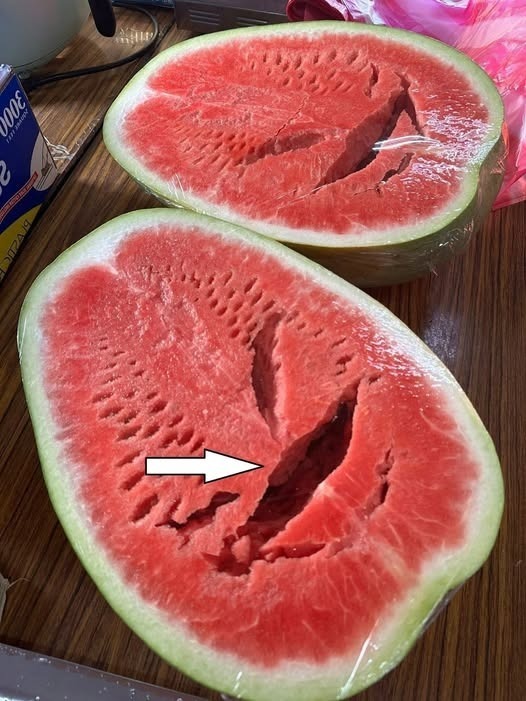
Chlorfenuron is a synthetic chemical used as a growth regulator in agriculture. It speeds up fruit growth, size, and ripening by promoting rapid cell division. While this can make fruits like watermelons appear larger and more appealing, it also causes the flesh to become soft, bloated, and prone to cracking.
This accelerated and unnatural growth process often results in internal defects, such as the grooves and cracks previously described. Chlorfenuron’s use is banned in many regions, including the European Union and Canada, but it remains permitted in some countries, particularly in certain export farms in parts of Asia.
4. Health risks of chlorfenuron
Consuming fruits treated with chlorfenuron over a prolonged period can pose several health concerns. The chemical has been linked to disturbances in nervous system function and hormonal imbalances. Additionally, there may be an increased risk of cancer and negative effects on the reproductive system.
Because chlorfenuron residues can remain inside the fruit, especially where cracks and softness are present, eating such watermelons carries potential health risks. It’s important to avoid watermelons showing these internal defects to minimize exposure.
When to see a doctor
If you have eaten watermelon with cracks inside and experience symptoms like dizziness, headaches, hormonal irregularities, or other unusual health issues, consult a healthcare professional promptly. They can assess your condition and recommend appropriate tests or treatments.
Conclusion
Watermelons with internal cracks are not merely a cosmetic problem; they may indicate the presence of harmful chemicals like chlorfenuron. To protect your health, choose watermelons that are firm, free of internal defects, and preferably from sources with strict quality controls. Prioritizing quality over quantity ensures you enjoy the benefits of watermelon safely.
This article is for informational purposes only and does not replace professional medical advice. If you have health concerns related to food consumption, please consult your doctor.