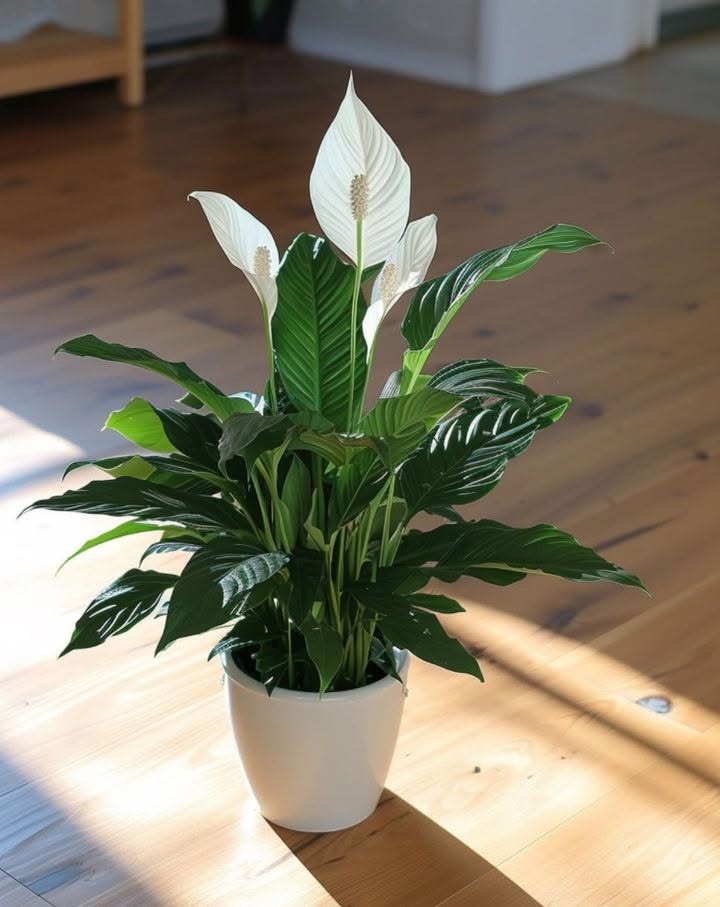
6. Stable temperature
Peace lilies prefer a consistent temperature range between 65 and 80 degrees Fahrenheit (18–26 degrees Celsius). Sudden temperature fluctuations or exposure to cold drafts can stress the plant, causing it to drop buds or fail to bloom.
Keep your peace lily away from air conditioning vents, drafty windows, and frequently opened doors during colder months. During winter, avoid placing it near heaters that can dry out the air excessively.
7. Pruning
Regular pruning removes spent flowers and yellowing leaves, which helps the plant focus energy on producing new blooms and healthy foliage. Use clean, sharp scissors or pruning shears to cut flowers at their base once the white spathe turns brown and the flower stalk begins to wither.
Pruning also improves air circulation around the plant and reduces the risk of fungal infections that could impair flowering.
- Remove any yellow or brown leaves promptly.
- Sanitize tools between cuts to prevent disease transmission.
- Avoid cutting healthy green leaves, as they contribute to photosynthesis.
8. Proper soil
The right soil mixture supports root health and moisture management, both critical for blooming. Peace lilies do best in a well-draining, peat-based potting mix that retains moisture without becoming waterlogged.
A soil mix that is too dense or heavy can suffocate roots and promote root rot, while overly sandy or fast-draining soil can dry out too quickly, stressing the plant. Adding perlite or orchid bark to the soil mix improves aeration and drainage.
- Use a commercial potting mix labeled for tropical plants or indoor houseplants.
- Avoid garden soil or heavy clay mixes.
- Repotting with fresh soil every 1 to 2 years ensures ongoing nutrient availability.






