4. Unsafe Home Environment
The home environment can harbor multiple hazards that increase the risk of falls and loss of balance. Common issues include loose rugs that slip or bunch up, poor lighting that makes it difficult to see obstacles or changes in floor level, and cluttered pathways that force awkward navigation.
Bathrooms and staircases are particularly high-risk areas. The absence of grab bars near toilets and showers removes crucial support points that can prevent falls during transfers and bathing. Bulky furniture or cords in walking paths also increase tripping hazards.
Implementing safety modifications in the home can greatly reduce these risks and improve confidence in daily movements.
- Secure rugs: Use non-slip backing or double-sided tape to keep them in place.
- Improve lighting: Brighten hallways, staircases, and entryways with appropriate fixtures.
- Clear walkways: Remove clutter, cords, and unnecessary furniture from paths.
- Install grab bars: Place sturdy bars near toilets and inside showers for support.
Starting with high-traffic and high-risk areas like the bedroom and bathroom yields immediate benefits in safety and comfort.
5. Neglected Vision and Hearing
Vision and hearing are critical sensory inputs that help maintain spatial orientation and balance. Impaired vision reduces the ability to detect obstacles, uneven surfaces, and changes in terrain, increasing the likelihood of missteps. Depth perception in particular can deteriorate without proper corrective lenses.
The inner ear contains the vestibular system, which is directly responsible for balance. Hearing loss can sometimes indicate vestibular dysfunction, which may further impair spatial awareness and balance control. Auditory cues from the environment also contribute to orientation and movement confidence.
Regular sensory assessments and timely corrective measures are essential for preserving balance.
- Regular eye exams: Keep eyeglass prescriptions up to date to ensure clear vision.
- Use prescribed glasses: Wear appropriate lenses during activities requiring good visual acuity.
- Hearing evaluations: Detect age-related hearing loss and vestibular issues early.
- Hearing aids: Utilize devices when recommended to improve spatial awareness and communication.
Practical Guidance for Maintaining Balance
Incorporating the following habits can significantly help preserve balance and reduce fall risk:
- Engage in regular physical activity tailored to your abilities.
- Wear well-fitting, supportive footwear both indoors and outdoors.
- Maintain adequate hydration and consume a nutrient-rich diet.
- Modify your home environment to eliminate hazards and improve safety.
- Schedule routine vision and hearing checkups and use prescribed aids.
When to See a Doctor
It is important to consult a healthcare provider if you experience:
- Frequent episodes of dizziness or lightheadedness.
- Unexplained falls or near-falls.
- Sudden changes in vision or hearing.
- Muscle weakness affecting mobility.
- Difficulty maintaining balance despite lifestyle adjustments.
A medical evaluation may include balance assessments, vision and hearing tests, medication reviews, and potentially imaging or vestibular testing to identify underlying causes.
Conclusion
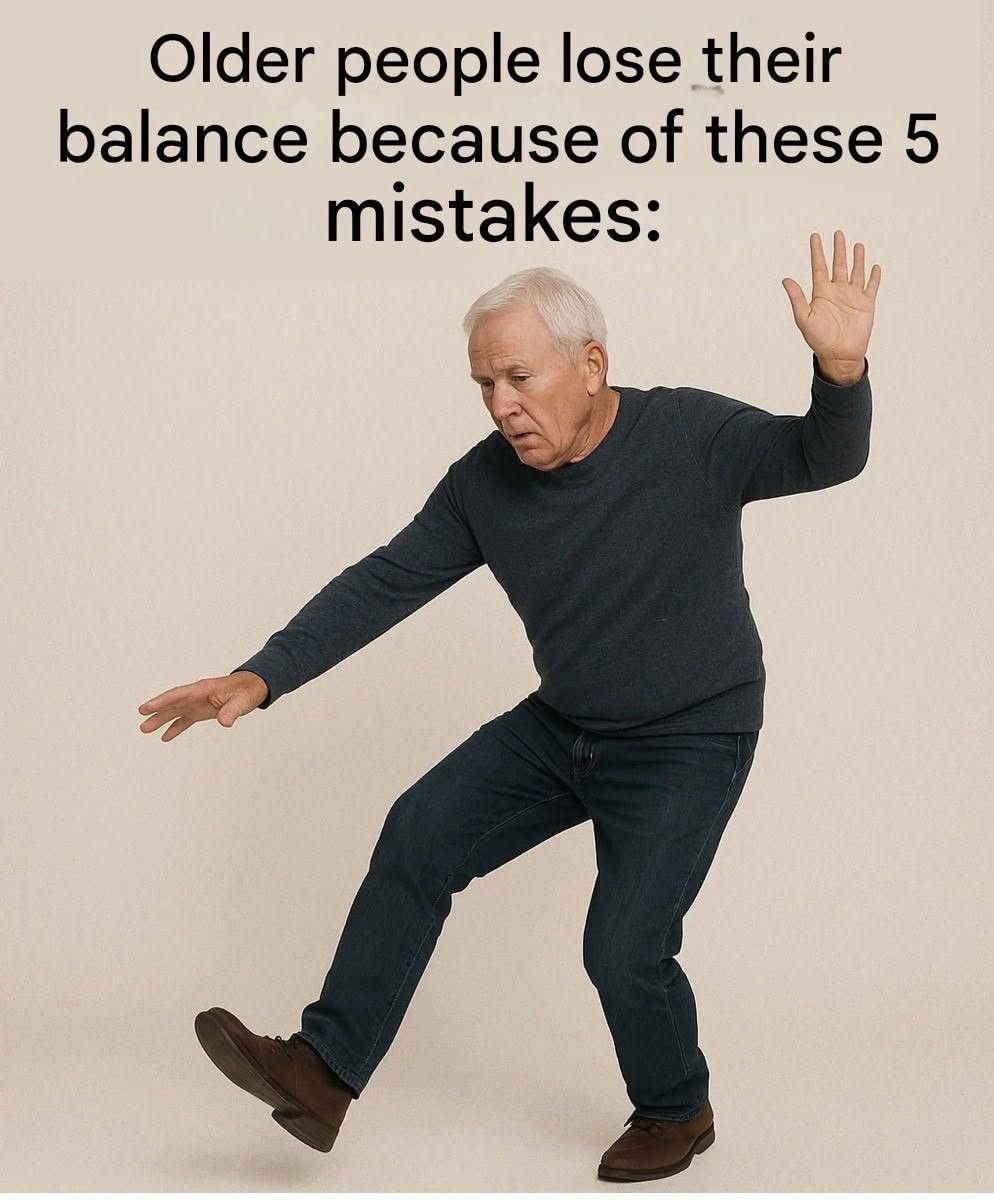
Maintaining balance in older age is achievable by addressing common but often overlooked factors such as physical inactivity, improper footwear, poor nutrition, home hazards, and sensory impairments. Small, consistent changes in daily habits and environment can restore confidence, promote independence, and reduce the risk of falls.
Balance is preserved through awareness, proactive care, and gentle adaptations that respect the body’s evolving needs. Taking these steps supports a safer, more active lifestyle with greater vitality.
Disclaimer: This article is intended for informational purposes only and does not replace professional medical advice. Consult your healthcare provider for personalized recommendations.






