4. Strawberries
Strawberries contain phytoestrogens along with high levels of vitamin C and flavonoids, nutrients that promote skin health by stimulating collagen production and reducing wrinkle formation. Their antioxidant properties also help support cardiovascular health and may improve mood and reduce stress, complementing estrogen’s overall benefits.
For maximum benefit, eat fresh strawberries or add them to smoothies, salads, or yogurt bowls to boost your nutrient intake.
5. Other Estrogen-Rich Foods
Additional foods rich in phytoestrogens include legumes like chickpeas and lentils, whole grains such as oats and barley, nuts including walnuts and almonds, and seeds like sesame and pumpkin seeds. These plant-based foods provide diverse phytoestrogens, fiber, and antioxidants that support hormone balance and overall health.
Incorporating a variety of these foods into a balanced diet can help maintain estrogen levels naturally and benefit multiple body systems influenced by estrogen.
When to See a Doctor
If you experience persistent or severe symptoms related to low estrogen—such as irregular menstrual cycles, intense hot flashes, unexplained bone loss, or significant mood changes—consult a healthcare professional. They can perform blood tests to evaluate hormone levels and recommend appropriate treatments, including hormone replacement therapy if needed.
Before making major dietary changes or starting supplements like royal jelly, soy, or flaxseeds, discuss your plans with your healthcare provider, especially if you have hormone-sensitive conditions or are taking medications.
Conclusion
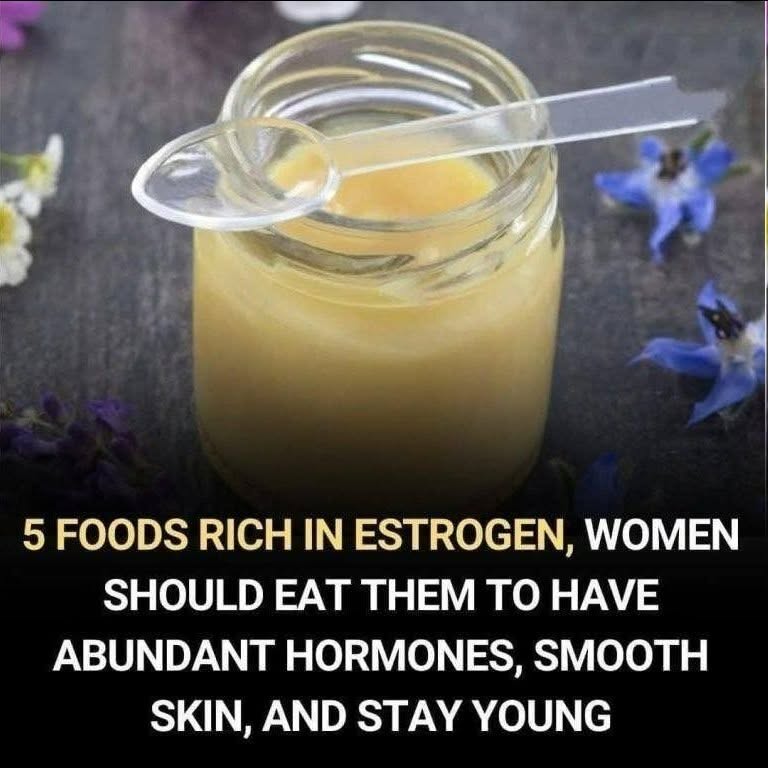
Incorporating estrogen-rich foods such as soybeans, flaxseeds, royal jelly, strawberries, and other phytoestrogen-containing plants into your diet can support natural hormone balance, skin health, and overall well-being. This dietary approach offers a gentle, affordable way to manage estrogen levels and alleviate related symptoms. For the best outcomes, combine nutritional strategies with personalized medical advice.
This information is for educational purposes only and is not a substitute for professional medical advice. Always consult your healthcare provider for personalized guidance.