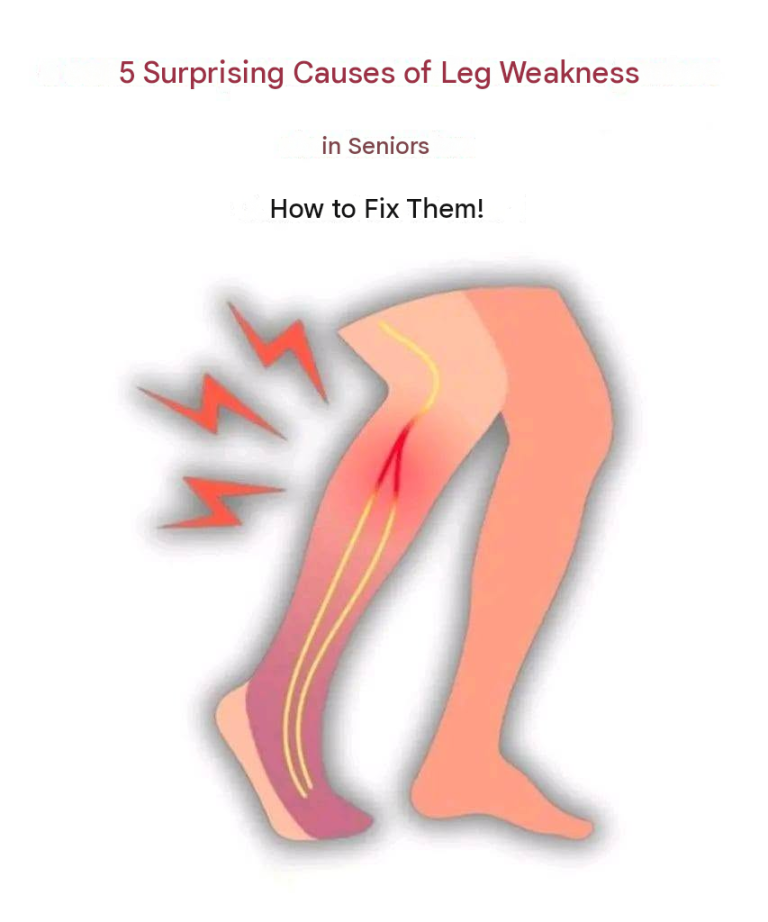
4. Back and Nerve Problems
Healthy nerves are just as important as strong muscles for leg function. Nerves that run from the spinal cord to the legs control movement and relay sensory information.
Issues affecting the spine or peripheral nerves can cause symptoms such as weakness, numbness, tingling, burning sensations, or difficulty walking. This is especially relevant if leg weakness occurs alongside back pain or noticeable changes in sensation.
Evaluation by a healthcare professional may include testing muscle strength, reflexes, sensation, and gait. Sometimes further diagnostic tests are needed. Physical therapy can help improve strength, mobility, and confidence in walking for some people. However, sudden neurological symptoms require prompt medical evaluation rather than home exercise alone.
5. Fear of Falling and Reduced Activity
Fear of falling is a common but often overlooked cause of leg weakness. After experiencing or witnessing a fall, some older adults may avoid walking or exercising to feel safer.
While understandable, this inactivity can weaken muscles, reduce balance, and lower confidence, increasing the risk of future falls.
Making movement safer is key. This can involve improving home lighting, removing trip hazards, wearing appropriate footwear, reviewing medications that may cause dizziness, getting vision checked, and performing strength and balance exercises.
Practical Guidance for Stronger Legs
A simple sit-to-stand exercise can strengthen muscles used daily. Sit toward the front of a stable chair with feet flat on the floor. Lean forward slightly and stand up using your legs, then slowly sit back down. Beginners can use their hands for support, progressing to less assistance as strength improves.
Before starting new exercises, especially for those with balance problems, severe weakness, recent surgery, or significant medical conditions, it is important to seek professional advice.
Nutrition also plays a vital role. Adequate protein intake from sources like eggs, fish, poultry, dairy, beans, lentils, tofu, and lean meats supports muscle maintenance. A balanced diet provides essential vitamins and minerals for muscle, bone, and nerve health.
When to See a Doctor
Sudden leg weakness, particularly if it affects one side of the body or is accompanied by facial drooping, speech difficulties, severe dizziness, or other stroke symptoms, requires immediate medical attention.
Persistent or worsening weakness, repeated falls, severe pain, significant numbness, unexplained weight loss, or noticeable decline in walking ability should also prompt a healthcare evaluation.
Discuss any general weakness with a healthcare provider, as many causes beyond sarcopenia exist.
The Bottom Line
Leg weakness in older adults is not always an inevitable part of aging. Factors such as muscle loss, inactivity, chronic illnesses, nerve problems, and fear-driven inactivity all contribute. Regular movement combined with appropriate strength and balance exercises can help maintain strength and function.
However, new, severe, or progressive weakness warrants medical evaluation to identify and treat underlying causes.
Medical disclaimer: This article is for general educational purposes only and is not a substitute for professional medical diagnosis or treatment. Older adults with significant weakness, balance problems, or chronic medical conditions should consult a healthcare professional before beginning a new exercise program.