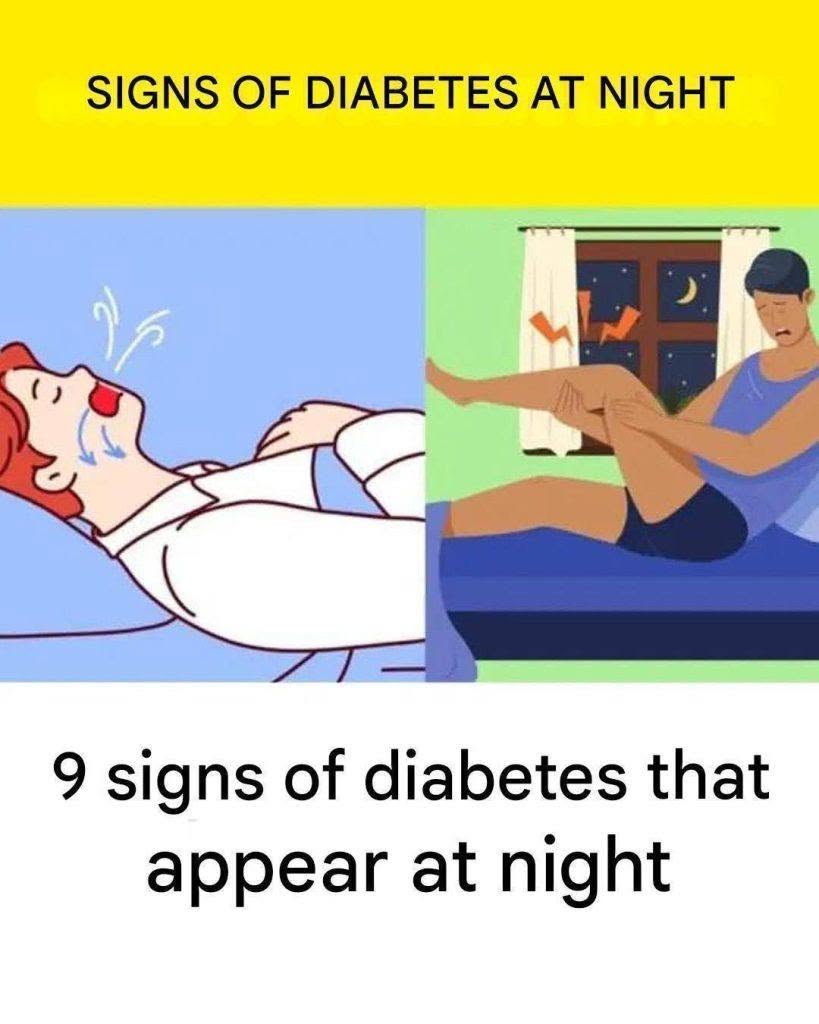
7. Persistent fatigue despite sleep
Chronic fatigue that persists despite adequate sleep is a common complaint among people with diabetes. When blood sugar levels are poorly controlled, glucose is not efficiently used by cells for energy, leading to a feeling of exhaustion.
This lack of cellular energy can make you feel as if you have not rested at all, even after a full night’s sleep. Fatigue can affect cognitive functions, mood, and overall quality of life.
Managing blood sugar through diet, medication, and lifestyle changes is essential to reduce this symptom. If fatigue continues, discuss with your healthcare provider to rule out other contributing factors.
8. Dry mouth upon waking
Dry mouth, or xerostomia, upon waking is another symptom associated with diabetes. It results from dehydration due to excessive urination and can lead to repeated awakenings at night.
If left untreated, a dry mouth increases the risk of dental cavities, gum disease, and oral infections. Maintaining good oral hygiene and adequate hydration is important, but persistent dry mouth should prompt medical evaluation.
9. Restless or interrupted sleep
Many people with diabetes experience restless or poor-quality sleep due to fluctuations in blood glucose levels. Insomnia, frequent awakenings, and unrefreshing sleep are common complaints.
These sleep disturbances negatively impact mood, concentration, and energy levels during the day, creating a challenging cycle that affects diabetes management.
Addressing underlying causes such as nocturia, neuropathy, or sleep apnea can improve sleep quality and overall health.
When to See a Doctor
If you recognize multiple of these nighttime signs—frequent urination, night sweats, excessive thirst, persistent fatigue, or restless sleep—it’s important to consult your doctor promptly. Early diagnosis and treatment of diabetes or blood sugar imbalances can prevent complications.
Your healthcare provider may recommend blood tests such as fasting plasma glucose, HbA1c, or an oral glucose tolerance test to assess your blood sugar control. They can also evaluate for related conditions like diabetic neuropathy or sleep apnea.
Conclusion
Nighttime symptoms can provide valuable clues about underlying diabetes or blood sugar disturbances. Paying close attention to sleep quality and associated signs helps in early detection and better management.
Maintaining a balanced diet, regular physical activity, and consistent medical follow-up remain the foundation of diabetes care. If you experience these signs, seek professional advice to protect your long-term health and well-being.
This information is intended for educational purposes and does not replace professional medical advice. Always consult your healthcare provider for personalized diagnosis and treatment.