Electrical Outlets Installed Upside Down: What It Really Means
Emergency note: If you ever suspect faulty wiring or experience sparks or shocks from an outlet, stop using it immediately and consult a licensed electrician to avoid electrical hazards.
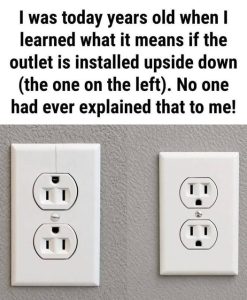
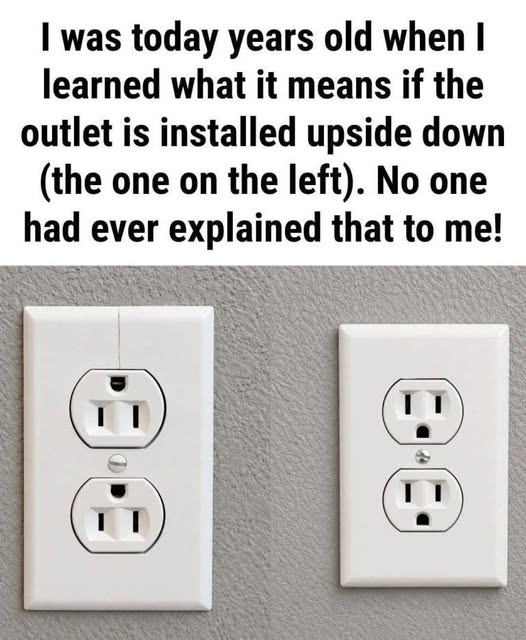
Have you ever noticed an electrical outlet with the grounding hole positioned at the top instead of the bottom? Many people assume this must be an installation error. However, this orientation is often a deliberate choice made by electricians for important safety reasons, especially in commercial and healthcare environments.
How to Decide if an Upside-Down Outlet Is a Concern
Before jumping to conclusions about outlet orientation, consider the setting and purpose. In hospitals, offices, and workshops, upside-down outlets are commonly installed intentionally. In homes, the traditional grounding hole at the bottom remains standard but exceptions exist.
One simple way to think about this is to ask: Is the outlet functioning properly and free of damage? Orientation alone rarely indicates wiring issues or danger. If unsure, have a qualified electrician inspect the outlet’s installation and wiring.
Check Your Medicine Cabinet—and Your Outlet Orientation
Electrical safety involves more than just outlet direction. Many medications and medical devices rely on stable power sources. Hospitals often choose the ground-up orientation to reduce risks of accidental short circuits, protecting critical equipment that supports patient health.
In your home, the outlet orientation is less critical compared to other safety upgrades like Ground Fault Circuit Interrupters (GFCIs) or tamper-resistant receptacles. Still, understanding why outlets face a certain way can help you make informed decisions during renovations or repairs.
The orientation with the grounding pin at the top can reduce the chance that a conductive object falling onto a partially inserted plug will contact the live prongs first, adding an extra layer of safety. This practical design consideration explains why many electricians prefer this setup in sensitive environments.
Not every upside-down outlet is a mystery or a mistake. Some electricians use this orientation to identify switched outlets easily or comply with project specifications in commercial buildings.
While it might look unusual, an upside-down outlet often reflects thoughtful engineering rather than error.
Here are the 10 most important aspects to understand about upside-down electrical outlets. Number 1 reveals the key safety benefit that few people realize.