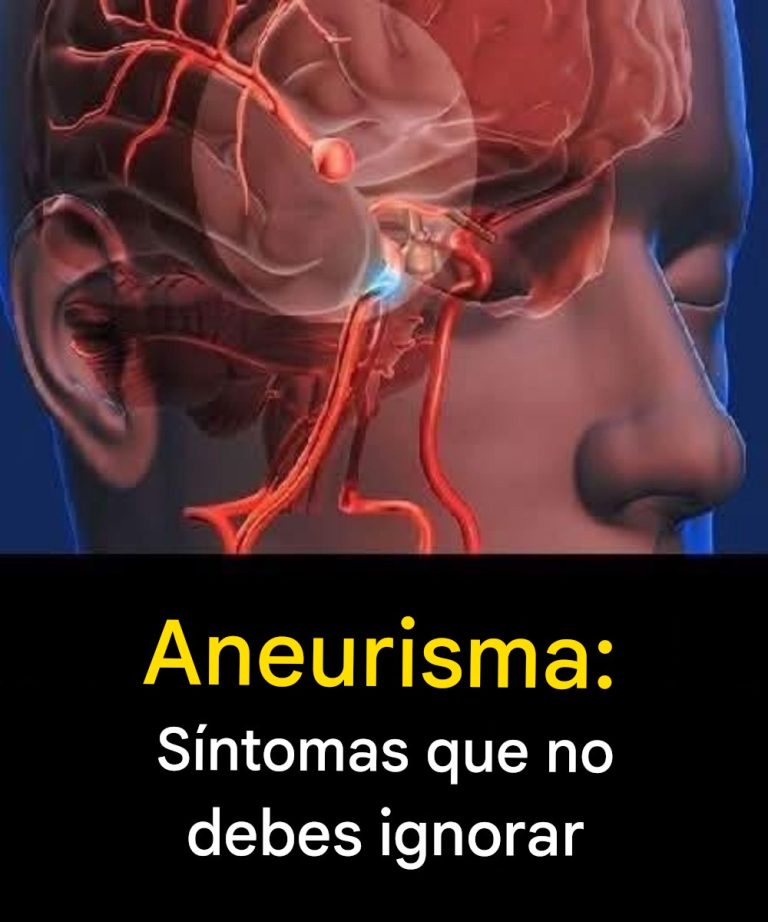
1. Common symptoms from nerve pressure
Aneurysms can sometimes cause symptoms before rupturing by pressing on nearby nerves or brain tissue. This nerve compression leads to specific neurological signs depending on the aneurysm’s location. For example, an aneurysm near the eye can cause pain behind or above one eye, a dilated pupil, or drooping eyelid known as ptosis.
Other symptoms include blurred or double vision, numbness, or weakness on one side of the face. These symptoms arise because the aneurysm exerts pressure on cranial nerves responsible for eye movement and facial sensation.
Recognizing these warning signs early is important because they may indicate an aneurysm is growing and potentially at risk of rupture. If you experience these symptoms, seek medical evaluation promptly to assess the underlying cause.
2. Emergency rupture signs
A ruptured aneurysm is a life-threatening emergency that requires immediate medical attention. The classic symptom of rupture is a sudden, severe headache often described as the worst headache of one’s life. This headache typically comes on abruptly and may be accompanied by other serious signs.
Other emergency symptoms include nausea and vomiting, stiff neck, and sensitivity to light due to irritation of the meninges (the protective membranes surrounding the brain). Confusion, loss of consciousness, and seizures may also occur as the bleeding affects brain function.
If you or someone else experiences these symptoms, call emergency services immediately. Rapid diagnosis and treatment are critical to reduce the risk of permanent brain damage or death.