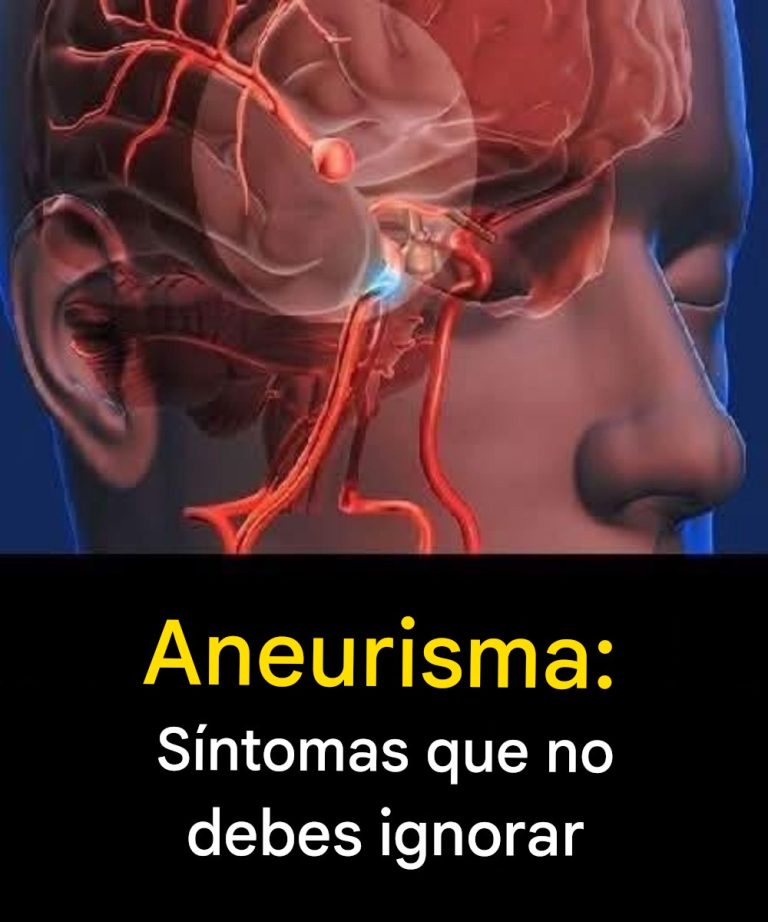
6. Types of aneurysms
Aneurysms can occur in various blood vessels throughout the body, with the most clinically significant types including:
- Cerebral (brain) aneurysms: Occur in arteries supplying the brain, often in the Circle of Willis. These aneurysms pose a risk of subarachnoid hemorrhage if ruptured.
- Abdominal aortic aneurysms (AAA): Located in the abdominal segment of the aorta, these are the most common aortic aneurysms and can lead to life-threatening rupture.
- Thoracic aortic aneurysms: Occur in the chest portion of the aorta and may cause chest or back pain before rupture.
- Peripheral aneurysms: Found in arteries of the limbs, such as the popliteal artery behind the knee.
The location influences symptoms, diagnostic approaches, and treatment options.
7. Diagnostic tests
Detecting aneurysms early is essential to prevent rupture. Various imaging techniques are employed depending on the suspected location:
- CT angiography (CTA): A widely used imaging method that provides detailed 3D images of blood vessels using contrast dye and CT scanning.
- Magnetic resonance angiography (MRA): Uses magnetic fields and radio waves to visualize arteries without radiation exposure.
- Ultrasound: Commonly utilized for abdominal aortic aneurysm screening due to its non-invasive nature and cost-effectiveness.
- Cerebral angiography: An invasive procedure involving catheter insertion to visualize brain arteries, reserved for complex cases.
Screening is recommended for high-risk individuals, especially men over 65 with a history of smoking for abdominal aortic aneurysms.
8. Treatment options
Treatment depends on aneurysm size, location, and rupture risk. Options include:
- Monitoring: Small, asymptomatic aneurysms may be regularly monitored with imaging and blood pressure control.
- Surgical repair: Open surgery involves replacing the weakened vessel segment with a graft. It is more invasive but effective for some aneurysms.
- Endovascular repair: A minimally invasive approach where a stent graft is placed inside the aneurysm via catheter to reinforce the vessel wall.
- Medications: While no drugs directly treat aneurysms, controlling hypertension with antihypertensives reduces rupture risk.
Decisions about treatment require evaluation by vascular surgeons or neurosurgeons specialized in aneurysm management.