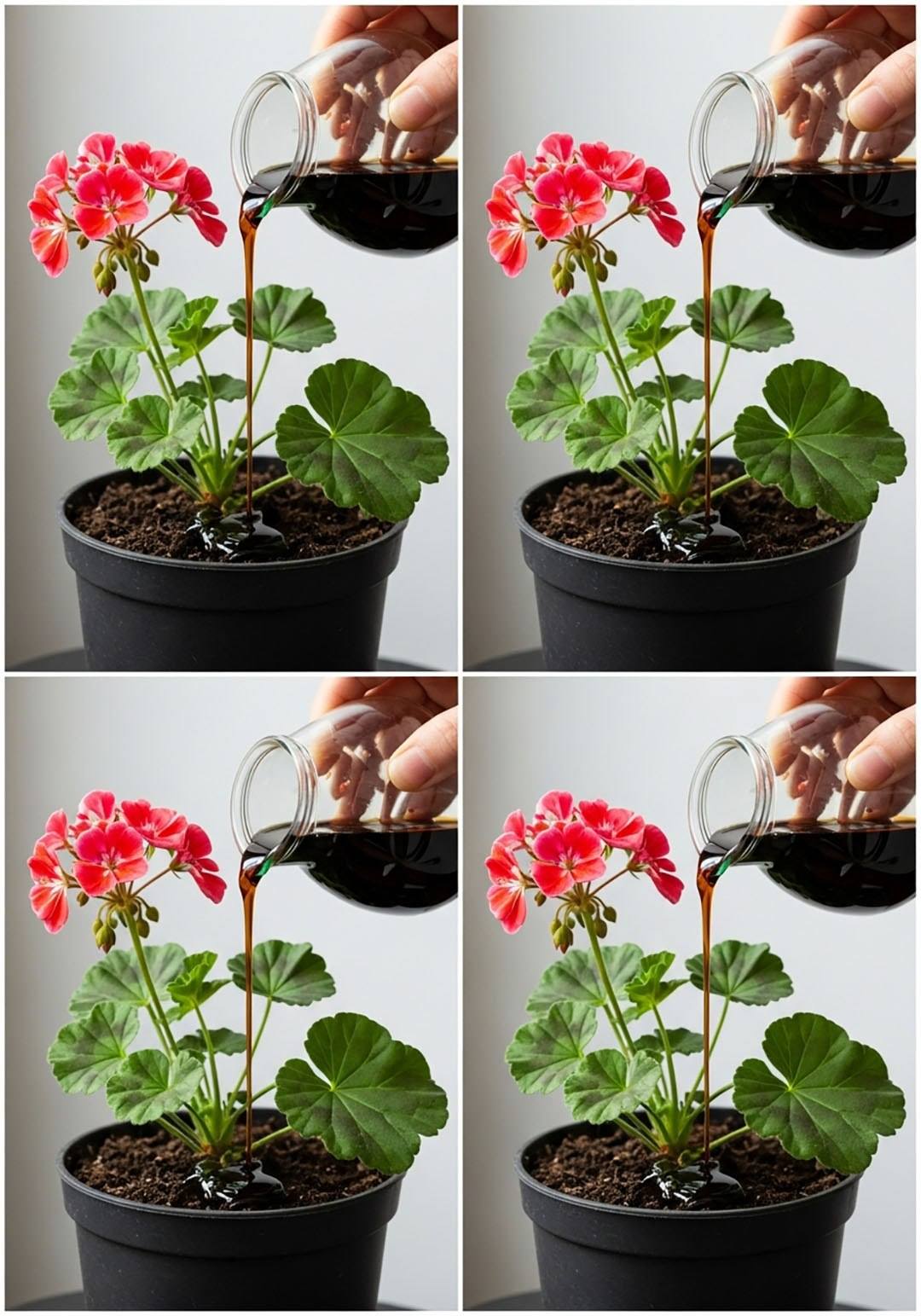
3. Soil and potting mix
Geraniums thrive in a nutrient-rich, well-drained potting mix. A high-quality commercial potting soil formulated for flowering plants is ideal, as it balances moisture retention with aeration.
For optimal results, mix your potting soil with perlite or coarse sand to enhance drainage. This prevents waterlogging while maintaining enough moisture to nourish the roots.
Ensure the soil pH is slightly acidic to neutral, around 6.0 to 7.0, which supports nutrient availability. Avoid heavy garden soils or clay mixes that retain excessive moisture and limit root oxygen.
4. Repotting importance
Repotting geraniums every 12 to 18 months is crucial for maintaining continuous bloom cycles. Crowded roots in an old pot reduce nutrient uptake and stimulate the plant to conserve energy rather than produce flowers.
When repotting, choose a container one size larger with adequate drainage holes. Gently loosen the root ball to encourage new root growth, and replace the old soil with fresh potting mix.
Repotting also offers an opportunity to inspect for root diseases or pests, allowing early intervention to protect your geranium’s health and flowering capacity.
5. Iodine as a nutrient booster
Iodine, though not commonly recognized as an essential nutrient for geraniums, can assist in enhancing nutrient absorption and plant vigor when used carefully.
Apply iodine sparingly as a dilute solution—just a few drops per liter of water—mixed into your regular watering routine once every few weeks. Excess iodine can be toxic and damage plant tissues.
This trace element may help stimulate enzyme activity involved in nutrient uptake, indirectly supporting longer blooming periods. However, moderation is critical to prevent harm.






