1. Assess pillow type and material
Before cleaning your pillows, it is crucial to identify their type and filling material, as this determines the suitable washing method and helps prevent damage. Pillows come in various forms including down or feather, memory foam, polyester fiberfill, latex, and buckwheat hulls. Each requires different care.
Feather and down pillows typically tolerate machine washing on a gentle cycle, but memory foam and latex pillows must not be submerged in water as they can lose shape and support. Instead, spot cleaning or specialized foam cleaning methods are recommended. Polyester fiberfill pillows are generally machine washable and dry quickly but can clump if dried improperly.
Check the care label on your pillow for manufacturer instructions. If the label is missing or unclear, err on the side of caution by choosing a gentler cleaning approach or consulting a professional cleaner to avoid costly damage.
2. Check for stains and odors
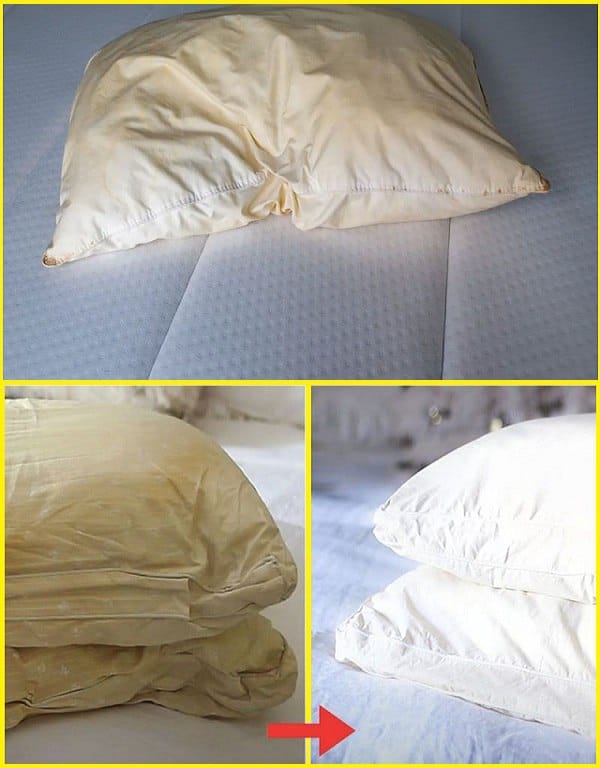
Before washing, thoroughly examine your pillows for visible stains and persistent odors. Common stains on pillows include sweat, body oils, saliva, and occasionally makeup or skin care products. These stains often cause yellowing and can harbor bacteria or dust mites if left untreated.
Odors can also indicate bacterial growth or mold, especially if pillows have been exposed to moisture or stored in damp environments. A sour or musty smell suggests a deeper cleaning is necessary. Detecting these issues early allows for targeted pre-treatment, improving the overall cleanliness and longevity of your pillows.
To identify stains effectively, hold the pillow up to a bright light and inspect both sides. Smell the pillow closely to detect any odors that may require additional deodorizing treatments during washing.