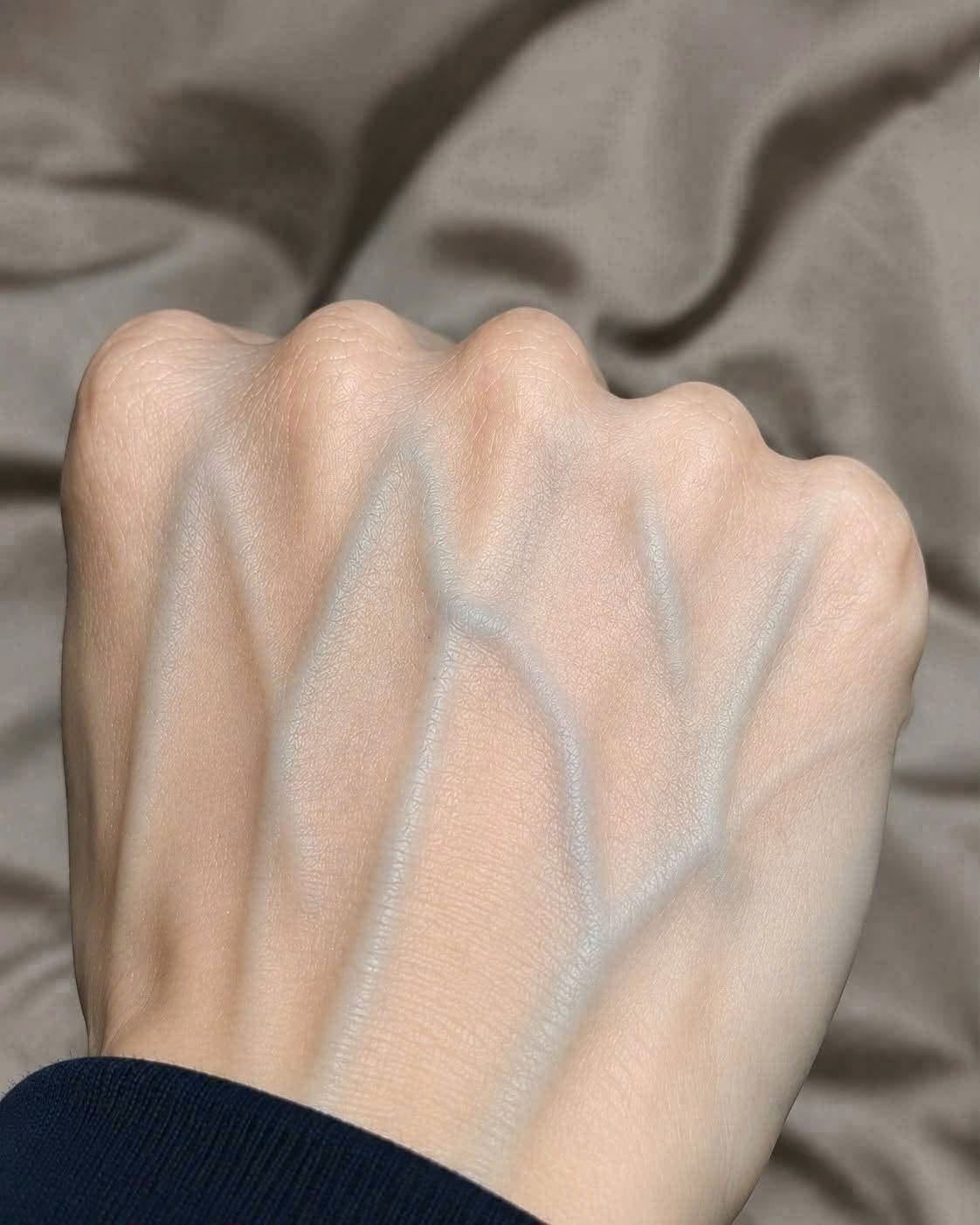
A healthy individual with more subcutaneous fat may have relatively inconspicuous veins, while another healthy individual with less body fat may have very visible veins.
Neither appearance automatically indicates better circulation.
It is also important to distinguish intentional changes in body composition from unexplained weight loss.
If hand veins become more prominent after gradual, expected weight loss, the explanation may be straightforward.
However, if the change accompanies significant unintentional weight loss, unusual fatigue, or other symptoms, discussing the broader pattern with a healthcare professional is sensible.
The concern in that situation is not necessarily the veins themselves but the unexplained changes happening throughout the body.
Original images — first group
Image 1
Original image 1
Image 2
Original image 2
Image 3
Original image 3
4. Exercise and Increased Blood Flow
Have you ever completed a workout and noticed that the veins on your hands and forearms suddenly look much larger?
This is another common physiological response.
During exercise, your body must deliver additional oxygen and nutrients to active muscles.
To support this demand, the heart pumps more blood, and blood vessels adjust their diameter and distribution of flow.
As muscles become active and body temperature increases, superficial veins can become more prominent.
For people lifting weights or performing resistance exercises, the effect may be especially noticeable.
During strenuous activity, muscle contractions and temporary changes in pressure influence the amount of blood moving through nearby veins.
The result can be veins that look raised or more sharply defined.
In most healthy individuals, this temporary change is not dangerous.
Once physical activity stops and the body returns toward its resting state, vein prominence may decrease.
Nevertheless, the effect varies substantially.
Some people have naturally visible veins even while resting. Others notice significant changes only during or after exercise.
Fitness level, body composition, temperature, and individual anatomy all contribute.
Exercise-related vein prominence should not be confused with abnormal swelling.
A healthy response generally does not produce unexplained severe pain, persistent swelling of one hand, or a tender, hardened vein.
If those symptoms occur, especially after unusually strenuous activity, medical evaluation is appropriate.
5. Warm Weather and Hot Showers Can Change Vein Appearance
Temperature has a surprisingly noticeable effect on blood vessels.
When your body becomes warm, it activates mechanisms designed to prevent overheating.
One of these mechanisms is vasodilation, the widening of certain blood vessels near the skin.
This allows more heat to move from the body’s interior toward the skin’s surface, where it can be released into the surrounding environment.
As a result, veins may become more noticeable during hot weather, after a warm bath, or following exposure to a heated room.
Imagine walking outdoors on a cool morning.
Your hands may appear relatively pale, and the veins may be difficult to distinguish.
Later, after spending time in the summer heat, those same veins might look larger and more prominent.
The difference does not necessarily reflect a new medical condition.
It may simply be the result of normal temperature regulation.
Heat can also increase superficial vein filling, making the veins appear fuller.
When you move into a cooler environment, the appearance may gradually return toward normal.
This is particularly common in people with thin skin or little subcutaneous fat.
However, heat-related vein visibility is different from a vein that is locally hot, painful, and surrounded by swelling or redness.
Ordinary vasodilation usually affects blood vessels more generally.
A small area of warmth, tenderness, or discoloration around one vein may suggest inflammation or another vascular problem.
Recognizing this distinction can prevent unnecessary worry while ensuring that potentially important symptoms are not ignored.
6. Genetics: Why Some People Naturally Have More Visible Veins
Have you ever noticed that prominent hand veins seem to run in families?
Genetics can influence several physical characteristics that affect how veins appear.
These include skin thickness, skin structure, body fat distribution, and the arrangement of superficial blood vessels.
Some people inherit a tendency toward thinner skin, making their veins easier to see.
Others naturally have superficial veins located closer to the skin’s surface.
This may explain why someone in their twenties has very visible hand veins while another person in their sixties has relatively smooth-looking hands.
Neither appearance necessarily indicates a medical problem.
Family resemblance can also influence the pattern of veins.
If your parents or grandparents have prominent hand veins, you may notice similar characteristics as you age.
However, there is an important distinction between inheriting naturally noticeable veins and inheriting a predisposition to venous disease.
A family history of blood clots or certain vascular disorders may be medically relevant, particularly when a person develops unusual symptoms.
Simply sharing a visible vein pattern with relatives is not, by itself, evidence of disease.
For most people, genetic variation helps explain why hand veins look different from one individual to another.
7. Hydration and Temporary Changes in Body Appearance
Hydration is another factor frequently mentioned in discussions about visible veins.
Water plays a fundamental role in maintaining blood volume, regulating body temperature, and supporting normal physiological functions.
When someone becomes dehydrated, their body may experience changes in fluid balance and circulation.
However, claims that dehydration always causes prominent hand veins should be treated cautiously.
The relationship is not that simple.
Dehydration can reduce circulating blood volume, while fluid loss and changes in surrounding tissues may alter how the skin and veins appear. The effects vary among individuals.
Some people might notice more visible veins during periods of heavy sweating, especially when combined with exercise, heat, or reduced body fat.
Others may notice little change or even less vein filling.
Therefore, visible hand veins alone are not a reliable test for dehydration.
More useful signs include thirst, dark yellow urine, reduced urination, dizziness, and unusual fatigue, although these symptoms can have several causes.
Maintaining adequate fluid intake is important for overall health, particularly during hot weather or prolonged physical activity.
Water needs vary depending on body size, activity level, environmental conditions, diet, and individual health circumstances.
Drinking reasonable amounts of fluid throughout the day can support normal body function, but excessive water intake is not necessary to make veins disappear.
If your veins remain visible despite good hydration, it does not automatically mean something is wrong.
Their appearance may simply reflect your anatomy.
Original images — second group
Image 4
Original image 4
Image 5
Original image 5
Image 6
Original image 6
8. Do Visible Hand Veins Mean You Have Poor Circulation?
One of the most persistent misconceptions about hand veins is that their visibility automatically indicates poor circulation.