9. The role of watering in nutrient uptake
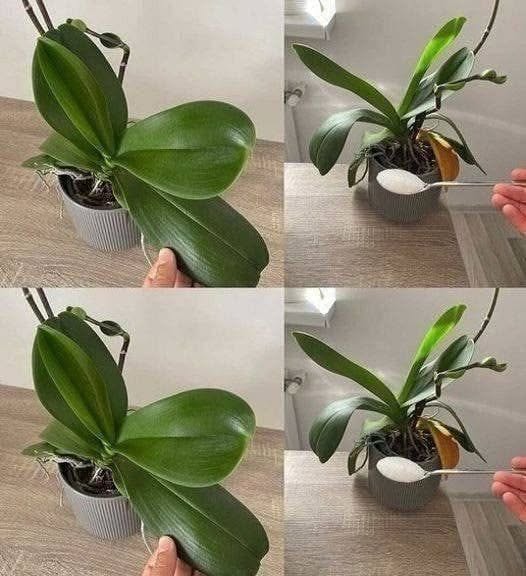
Proper watering is critical for nutrient absorption. Orchids absorb fertilizer dissolved in water through their roots, so the timing and method of watering directly influence fertilization effectiveness.
Water your orchids thoroughly before applying fertilizer to prevent root burn. This practice helps dilute salts in the root zone and ensures nutrients are absorbed gradually.
Overwatering or poor drainage can lead to root rot, which impairs nutrient uptake and overall plant health.
10. Maintaining growing medium health
The growing medium provides physical support and affects nutrient availability. Common orchid media include bark, sphagnum moss, and coconut husk, all of which break down over time and change water retention and aeration properties.
Decomposed media retain too much moisture, increasing the risk of root rot and nutrient imbalances. Regularly inspect the medium and repot orchids every 1-2 years to maintain optimal conditions.
Flushing the medium monthly with plain water helps prevent salt buildup from fertilizers, preserving root health and nutrient uptake.
When to see a doctor
While orchid care is generally safe, people with severe allergies to plants or fertilizers should consult a healthcare provider if they experience respiratory symptoms, skin irritation, or allergic reactions related to orchid care products.
Conclusion
Applying a small amount of fertilizer correctly can make a significant difference in orchid health and flowering. Understanding the plant’s nutrient needs, avoiding over-fertilization, measuring doses accurately, and tailoring care to the species are key to success. Combined with proper watering and growing medium maintenance, these practices ensure vibrant, long-lasting blooms.
This information is for educational purposes and not a substitute for professional advice.