1. Poor Circulation
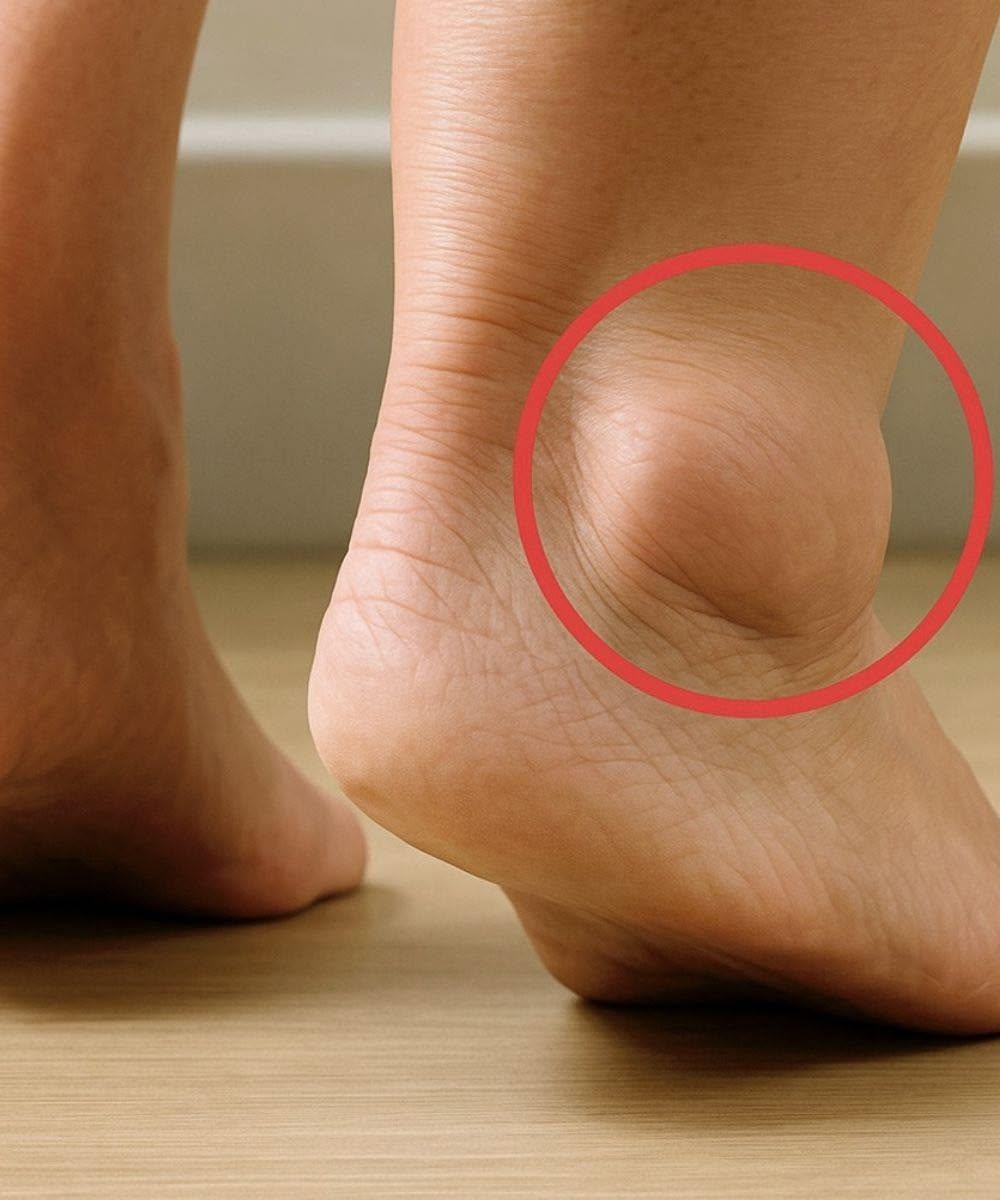
Poor circulation is a primary contributor to swollen feet in older adults. As blood flow slows, especially in the lower extremities, fluid can leak from blood vessels into surrounding tissues, causing swelling. This condition often worsens after prolonged periods of sitting or standing, when gravity encourages fluid accumulation in the feet and ankles.
Signs of poor circulation include persistent swelling, a feeling of heaviness or aching in the legs, and sometimes discoloration or coolness of the skin. This can be exacerbated by underlying conditions like peripheral artery disease or diabetes, which impair vascular health.
To manage poor circulation, regular physical activity is essential. Even gentle walking or leg exercises can stimulate blood flow and reduce fluid buildup. Avoiding long periods of immobility and elevating the feet when resting also help encourage venous return.
- Engage in daily walking or leg stretches
- Avoid sitting or standing without breaks for extended periods
- Elevate feet above heart level when possible
- Wear loose, non-restrictive clothing around the legs
2. Chronic Venous Insufficiency
Chronic venous insufficiency (CVI) occurs when the veins in the legs cannot effectively return blood to the heart, often due to damaged vein valves. This condition leads to blood pooling in the lower legs, increasing pressure in the veins and causing swelling, discomfort, and sometimes skin changes such as discoloration or ulceration near the ankles.
CVI is a common cause of persistent edema in older adults and can worsen without intervention. Symptoms typically include swelling that is worse at the end of the day, aching or cramping sensations in the legs, and visible varicose veins.
Treatment focuses on improving venous return and reducing swelling. Compression therapy with medically prescribed compression stockings is a cornerstone of management, as it helps support vein function and prevent blood pooling. Maintaining a healthy weight and regular exercise also play important roles.
- Use compression stockings as directed by a healthcare provider
- Elevate legs regularly to facilitate fluid drainage
- Incorporate leg exercises to strengthen calf muscles
- Consult a vascular specialist for advanced treatment options if symptoms persist