6. Calcium channel blockers and grapefruit
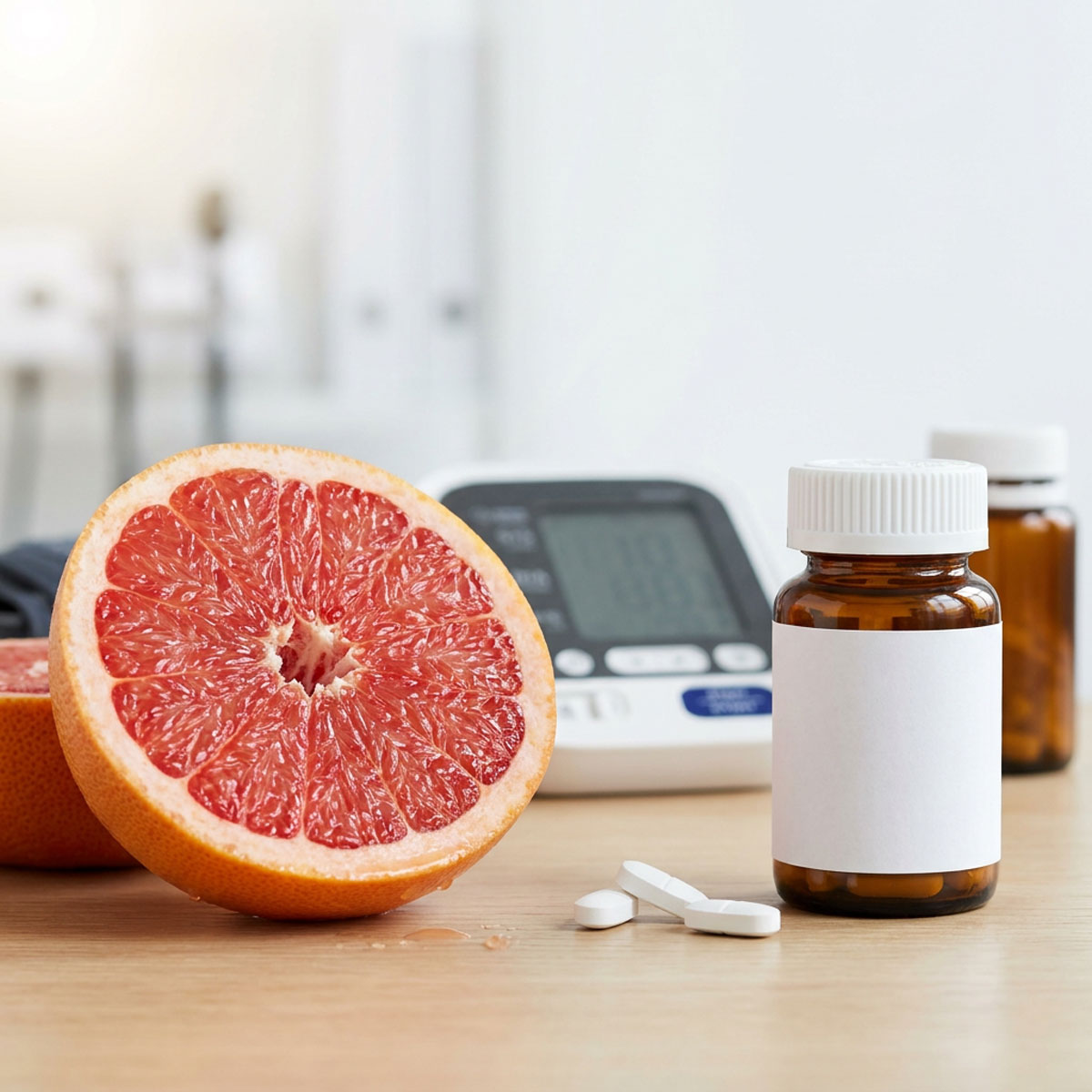
Calcium channel blockers (CCBs) are commonly prescribed for hypertension and certain heart conditions. Some CCBs, notably felodipine and nifedipine, are metabolized by CYP3A4 and can interact with grapefruit.
When grapefruit inhibits CYP3A4, blood levels of these drugs can rise, increasing the risk of side effects such as:
- Dizziness and lightheadedness
- Flushing
- Low blood pressure (hypotension)
- Peripheral edema (swelling)
Other CCBs, like amlodipine, pose less concern for grapefruit interaction due to differences in metabolism and absorption.
Because of the potential risks, patients on CCBs affected by grapefruit should discuss their diet with their healthcare provider to determine safe options.
7. Heart rhythm drugs and grapefruit
Certain antiarrhythmic medications used to control abnormal heart rhythms are sensitive to grapefruit interactions. Drugs like amiodarone and dronedarone are metabolized by CYP3A4, and grapefruit can increase their concentrations in the blood.
Elevated levels may increase the risk of serious cardiac side effects, including QT prolongation and arrhythmias.
Because these medications require precise blood level control, grapefruit consumption is often discouraged or carefully monitored in these patients.
8. Sedatives influenced by grapefruit
Some sedative medications, used for anxiety, sleep disorders, or procedural sedation, also interact with grapefruit. Examples include triazolam, oral midazolam, and buspirone.
Grapefruit can increase the bioavailability of these drugs, resulting in stronger sedation, prolonged drowsiness, and increased risk of respiratory depression.
Other sedatives metabolized by different pathways may not be affected, highlighting again the importance of identifying the exact medication involved.