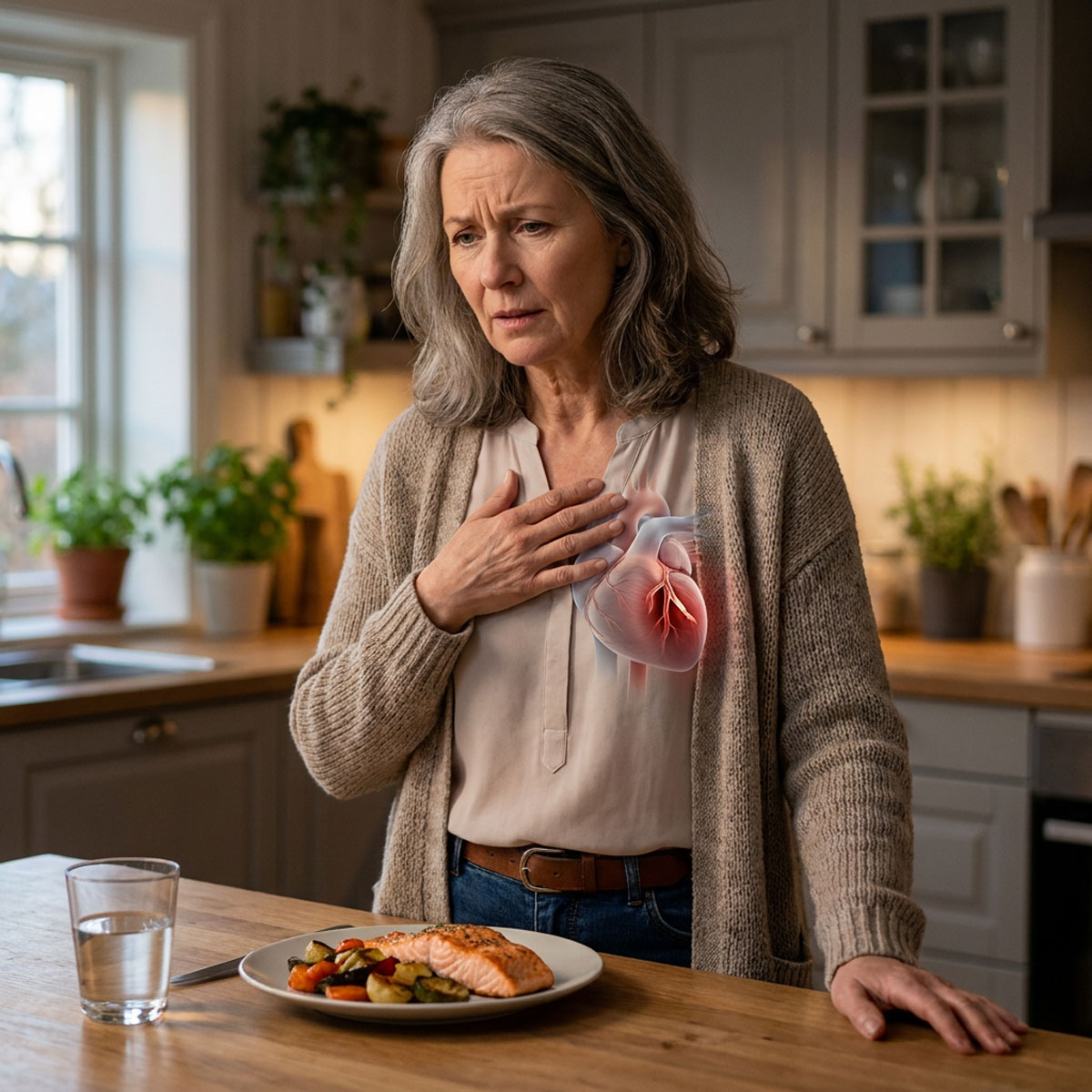
If you experience any new or unusual chest discomfort, shortness of breath, jaw or arm pain, nausea, cold sweat, or sudden lightheadedness, call emergency services immediately. Do not wait to be sure—it could save your life.
Why Heart Attacks in Women Are Often Missed
<pMany heart attacks in women are overlooked not because the symptoms are ignored, but because they often don’t match the dramatic chest-clutching image most people expect. Women frequently experience chest discomfort described as pressure, tightness, fullness, or burning rather than sharp pain. This subtlety leads many to attribute symptoms to indigestion, stress, or exhaustion, delaying crucial emergency care.
The Challenge of Recognizing Heart Attack Symptoms
Chest discomfort remains the most common sign of a heart attack in women, yet it can feel very different from the textbook “pain.” Many women report sensations like squeezing, heaviness, or an ache that simply feels unusual. Alongside these, symptoms such as shortness of breath, nausea, jaw or back discomfort, cold sweats, or overwhelming fatigue often appear, complicating recognition.
Distinguishing a Missed Heart Attack from a Silent One
A missed heart attack includes symptoms that were present but misinterpreted or dismissed. In contrast, a silent heart attack produces no noticeable symptoms at the time and is often discovered later during routine heart testing. Missed heart attacks represent a critical window where prompt action could prevent permanent heart damage.
Why Waiting Is Dangerous
Time is muscle. Every minute that blood flow is blocked to the heart increases the risk of irreversible damage. Modern treatments like clot-busting drugs and emergency angioplasty work best when administered quickly. Waiting to see if symptoms improve risks serious injury or death.
Calling Emergency Services Is the Safest Choice
Driving yourself or relying on family members to get to the hospital delays care and lacks critical monitoring during transport. Emergency medical teams can start treatment en route, monitor your heart rhythm, and alert the hospital to prepare for immediate intervention. Even if it turns out to be a false alarm, medical professionals prefer that caution over dangerous delay.
Why Symptoms May Be Quieter for Women and Those with Diabetes
Women are somewhat more likely than men to experience heart attacks without classic chest pain. Additionally, long-standing diabetes can dull nerve signals, making heart attack symptoms less intense or harder to recognize. This makes it especially important not to judge the seriousness of symptoms by their intensity or pain level alone.
Common Reasons Symptoms Are Explained Away
New, unusual symptoms—such as shortness of breath with ordinary activity, unexpected fatigue, or stomach discomfort—are often attributed to aging, stress, or muscle strain. These explanations are understandable but potentially dangerous when related to heart attacks. If symptoms feel different from your usual experience, seek urgent evaluation.
Here are the 10 most critical factors to recognize. Number 7 reveals why timing can mean the difference between life and death.