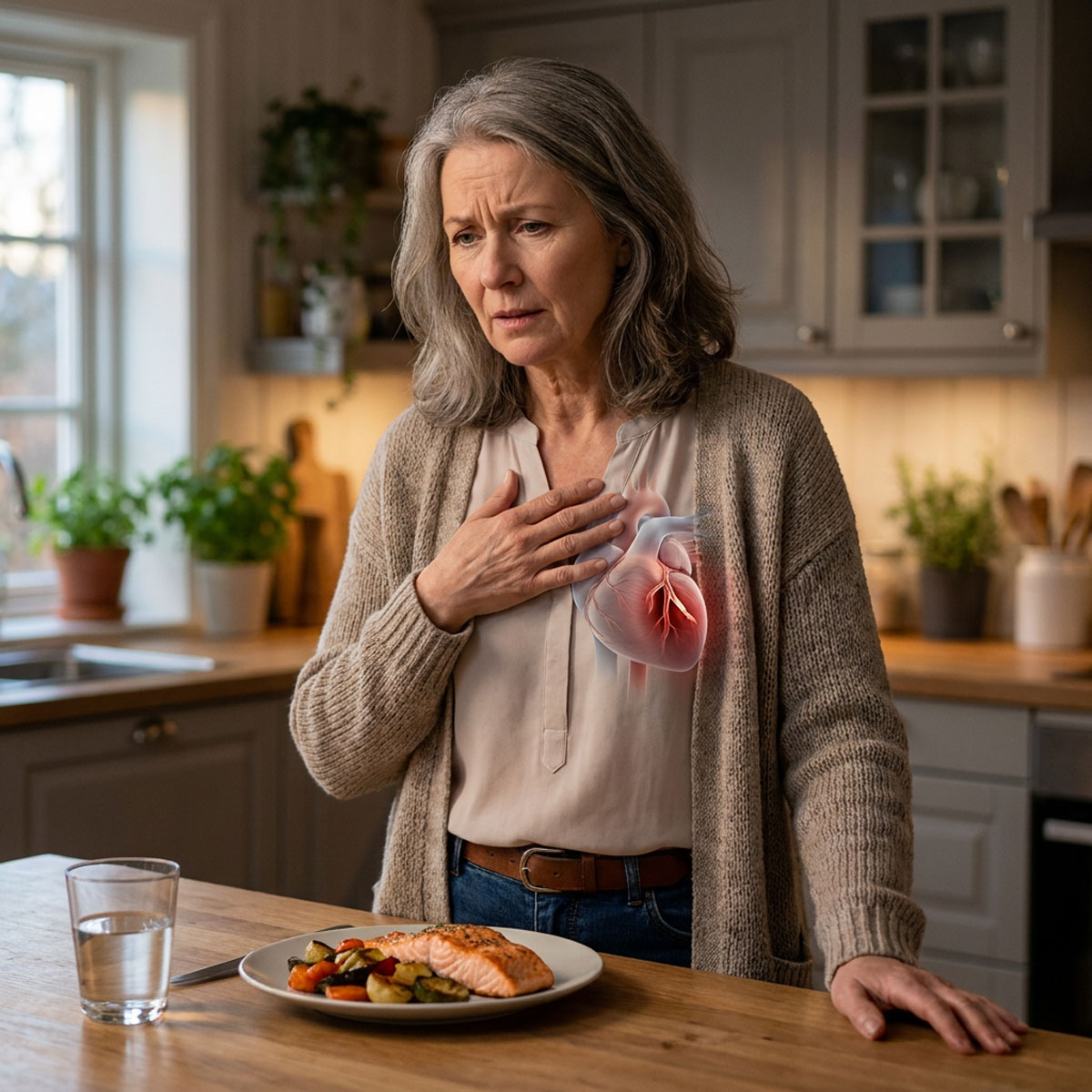
1. Emergency response essentials
Recognizing the possibility of a heart attack in women requires immediate action. The most critical step is to call emergency services without delay at the first sign of concerning symptoms. Early activation of emergency medical services (EMS) ensures professional evaluation and prompt treatment, which can significantly reduce heart muscle damage.
When you call, clearly describe the symptoms, even if they seem mild or unusual. Dispatchers are trained to prioritize potential cardiac events and can provide crucial guidance while help is on the way. Do not hesitate out of uncertainty or hope that symptoms will resolve.
Time is muscle: every minute that passes without restoring blood flow increases the risk of permanent heart damage. Emergency responders can begin life-saving procedures en route, such as oxygen therapy, electrocardiogram (ECG) monitoring, and administration of medications when appropriate.
- Call emergency services immediately if you experience chest pressure, discomfort, or other symptoms suspicious for a heart attack.
- Do not attempt to drive yourself to the hospital; wait for trained emergency personnel.
- Provide clear, concise information about your symptoms and medical history.
- If you are alone and become unable to speak, emergency services can often trace your call or dispatch assistance based on location.
2. Common chest discomfort descriptions
Heart attack chest symptoms in women often differ from the classic crushing pain depicted in media. Instead of sharp pain, women frequently report a variety of sensations that can be easily misinterpreted.
Descriptions include:
- Pressure: a feeling of weight or tightness pressing on the chest.
- Tightness or squeezing: a sensation as if the chest is being constricted.
- Fullness or heaviness: an unusual sense of the chest being heavy or full.
- Burning or ache: discomfort resembling indigestion or heartburn.
These feelings may come on gradually or suddenly and can last for several minutes or longer. They may worsen with exertion or stress but can also occur at rest. Because these sensations are often mild or vague, they are frequently mistaken for less serious conditions like acid reflux, muscle strain, or anxiety.